Titanium Anode for Acid-Base Ion Water Machines in Long-Life Commercial High-Duty Electrolysis Applications
2026-07-28 09:24:37
Restaurants and wellness centers use electrolyzed water equipment with far greater frequency and continuous operating duration than household scenarios. Commercial acid-base ion water machines must process hundreds of liters of water daily. Under high-duty electrolysis conditions, the anode coating endures sustained electrochemical consumption, with frequent start-stop cycles and prolonged uninterrupted operation placing significant demands on electrode durability. The titanium anode for acid-base ion water machines, with its high-purity titanium substrate and optimized coating formulation synergistically addressing the commercial high-duty environment, aims to provide a long-cycle, low-maintenance anode solution for commercial ion water machines.
High-Duty Durability: Addressing Frequent Start-Stop and Extended Operation in Commercial Use
The core difference between commercial and household ion water machines lies in operating intensity. Restaurant kitchens continuously produce large volumes of alkaline water for food preparation during peak meal service hours, while wellness centers repeatedly start and stop their machines throughout business hours to meet client demand. Such high-frequency, long-cycle operating patterns may accelerate the electrochemical consumption of anode coatings, with the effective working life of ordinary electrodes potentially reduced under commercial conditions.
The titanium anode for acid-base ion water machines employs high-purity titanium as the substrate. The titanium substrate can form a protective oxide layer under anodic polarization conditions, providing structural stability for the electrode in alternating acidic and alkaline electrolysis environments. The coating adopts an electrocatalytic active layer containing metal oxides such as RuO₂ and IrO₂. RuO₂ exhibits a relatively low overpotential for oxygen and hydrogen evolution reactions, contributing to maintaining lower cell voltage and higher electrolysis efficiency. The introduction of IrO₂ is designed to enhance the electrochemical stability of the coating during long-term high-duty operation, delaying activity decay. The coating and substrate typically achieve favorable bonding strength through optimized pretreatment processes, supporting the maintenance of structural integrity under frequent start-stop cycles and water quality fluctuations. The coating thickness has been optimized to balance electrocatalytic activity with the durability requirements of commercial scenarios. Actual working life and performance stability vary depending on electrolysis intensity, start-stop frequency, influent water quality, and operating temperature.
Performance varies based on specific operating conditions. Actual results depend on operating conditions and influent water quality.

Stable Electrolysis Efficiency: Ensuring Continuous Water Supply Capability in Commercial Scenarios
Commercial ion water machines have relatively high requirements for water production speed and output quality. Under high-duty operation, the oxygen and hydrogen evolution efficiency of the anode directly affects the ion water generation rate and pH stability. If the coating undergoes activity decay during operation, rising cell voltage may lead to increased energy consumption, while water production efficiency declines, potentially failing to meet the immediate demands of commercial venues during peak water usage periods.
The titanium anode for acid-base ion water machines, through coating formulation optimization, can maintain a relatively low oxygen evolution overpotential and high electrolysis efficiency across a broad current density range, helping to maintain stable water production rates under high-duty conditions. The uniform distribution of coating components and microstructural tuning helps maintain relatively consistent electrocatalytic performance under different water hardness conditions, supporting commercial equipment in outputting ion water of consistent quality even when influent water quality fluctuates. The dimensional stability of the electrode and the durability of the coating jointly support the system in maintaining stable electrical performance over long-term operation. Actual electrolysis efficiency and water production quality vary depending on influent water quality, current density, operating temperature, and maintenance cycles.
Engineering Value for the Commercial Ion Water Machine Market
In the global commercial ion water machine market, equipment reliability and operating costs are key factors influencing operator purchasing decisions. The engineering value of the titanium anode for acid-base ion water machines in this market lies in combining high-duty durability with stable electrolysis efficiency, supporting commercial ion water machines in maintaining sustained stable water production capability during extended, high-frequency operation, and helping to reduce equipment downtime caused by electrode maintenance and replacement.
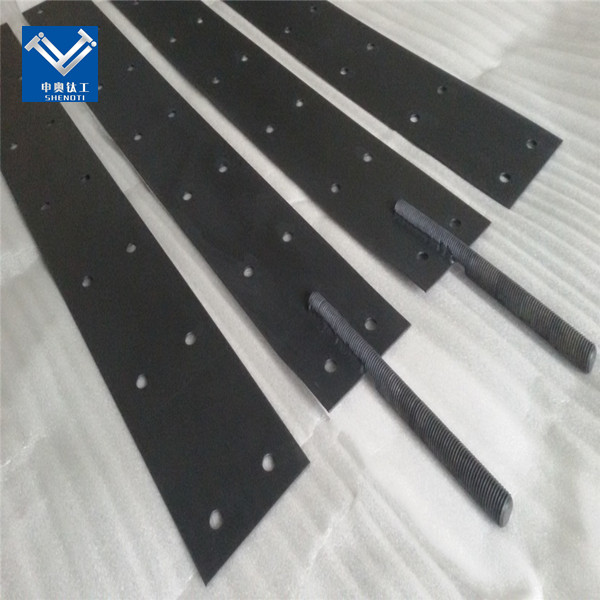
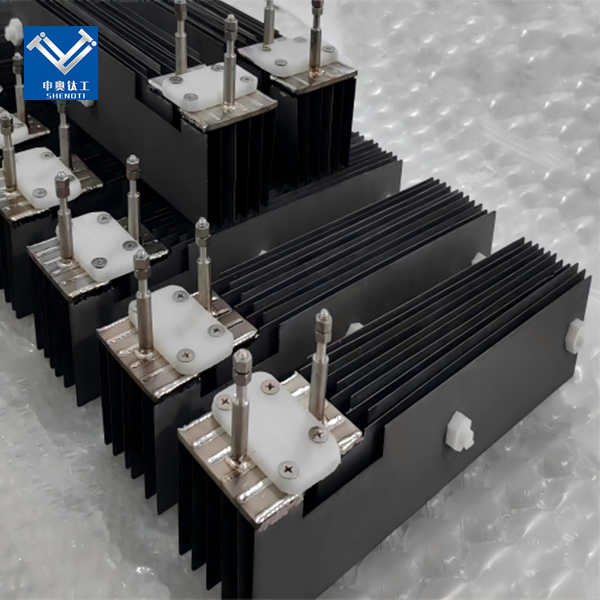
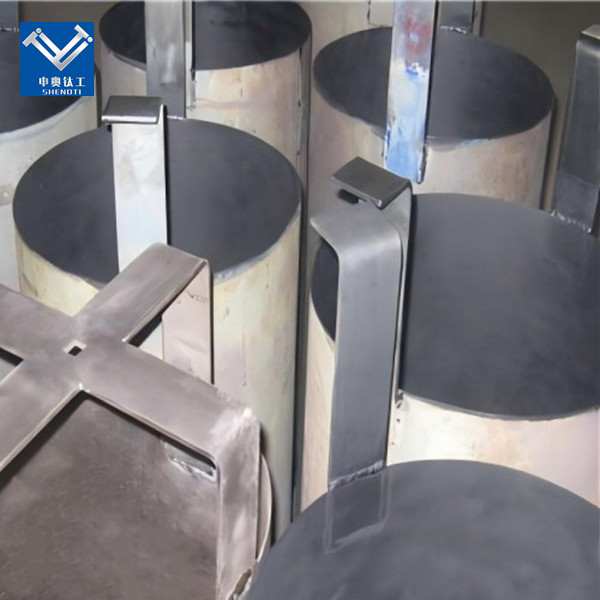
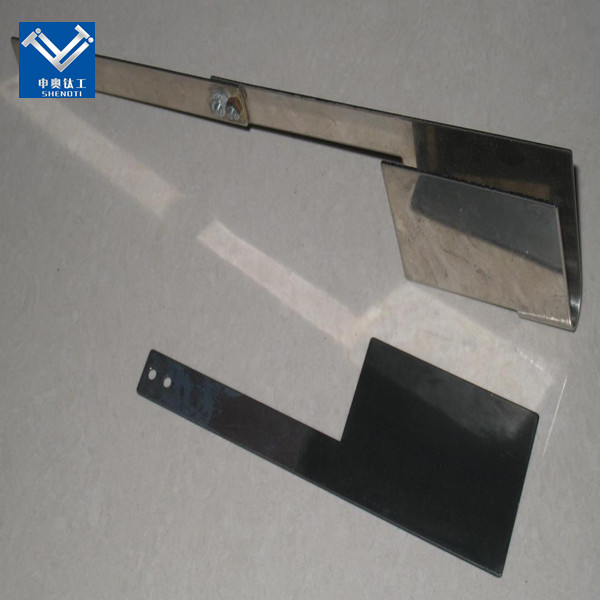
These titanium anode products are built on high-purity titanium substrates and coated with metal oxide systems such as RuO₂ and IrO₂, and can be customized into plate, mesh, tubular, and other geometric configurations to suit commercial acid-base ion water machines of different scales. It is recommended that commercial ion water machine manufacturers and operators conduct field condition testing of titanium anodes for acid-base ion water machines based on their target water production volume, operating frequency, and influent water quality. By tracking indicators such as cell voltage variation trends, produced water pH stability, and long-term anode operating performance, the technical compatibility and total lifecycle economics of the anode in specific commercial scenarios can be evaluated.
Important Note: The performance descriptions above are based on engineering experience under specific test conditions or internal test data. Differences may exist between laboratory results and actual operating conditions. Actual working life, electrolysis efficiency, and water production quality vary depending on influent water quality, electrolysis intensity, start-stop frequency, operating temperature, maintenance cycles, and system design. This product is a commercial ion water machine equipment component, and its suitability for specific applications must be verified by the user according to actual operating conditions and relevant industry standards.
Titanium Anode Manufacturer
Email: zh@baojiti.com.cn
Products: Titanium Anodes, MMO Titanium Anodes, DSA Coated Titanium Electrodes, Electrolysis Electrodes, Hydrogen Production Electrodes, Wastewater Treatment Titanium Anodes.