Precious Metal Oxide Coated Anodes for Lead-Free Electrowinning with Improved Metal Recovery Purity and Energy Efficiency
2026-06-22 08:57:56
In the hydrometallurgical electrowinning extraction of copper, zinc, nickel, and precious metals, the performance of the anode material directly influences the purity of the cathode product and the energy consumption level of the process. Traditional lead alloy anodes, during operation, can slowly release lead ions into the electrolyte, some of which deposit on the cathode product surface causing metal contamination, while their relatively high oxygen evolution overpotential results in additional power consumption. Precious metal oxide coated anodes are designed to provide a lead-free alternative for the metal electrowinning industry that addresses both cathode purity and energy efficiency.
Lead-Free System: Reducing Cathode Product Contamination Risk at the Source
Lead alloy anodes undergo electrochemical dissolution at a certain rate in acidic electrolytes, with the dissolved lead ions migrating to the cathode and co-depositing with the target metal product, reducing product grade. For base metals such as copper and zinc, excessive lead content may affect market pricing; for precious metal extraction, lead contamination directly diminishes product value. Furthermore, the disposal of lead-containing spent electrolyte and decommissioned lead anodes faces increasingly stringent environmental regulatory oversight.
Precious metal oxide coated anodes employ high-specification titanium as the substrate, coated with noble metal oxide active layers such as IrO₂, RuO₂, and TiO₂. The entire material system contains no controlled hazardous substances such as lead, mercury, or cadmium. Under typical electrowinning operating conditions, this lead-free system tends to maintain lead ion release levels below detection limits throughout the electrode service cycle, contributing to reduced lead contamination risk for cathode products at the source. For smelting enterprises pursuing high-grade cathode products, the introduction of lead-free anodes can help reduce product impurity content and support product quality improvement. Actual cathode purity improvement effects may vary depending on process parameters such as electrolyte composition, current density, and operating conditions.
Performance varies based on specific operating conditions. Actual results depend on the electrolyte system and operating parameters.

Low Oxygen Evolution Overpotential: Energy Efficiency Optimization in Electrowinning
In metal electrowinning, the anodic oxygen evolution reaction is one of the main destinations of electrical energy consumption. The oxygen evolution overpotential of lead alloy anodes is relatively high, meaning a considerable proportion of electrical energy is dissipated as Joule heat rather than being utilized for cathodic deposition of the target metal. For electrowinning plants operating continuously around the clock, the energy cost accumulated from overpotential differences can be substantial.
Precious metal oxide coated anodes reduce oxygen evolution overpotential through coating formulation optimization. IrO₂ exhibits high electrocatalytic activity and chemical stability under acidic oxygen evolution conditions and is a key component for reducing overpotential. The introduction of RuO₂ can further enhance catalytic activity, while inert components such as TiO₂ contribute to improved bonding strength and thermal expansion compatibility between the coating and the titanium substrate. Through synergistic modulation of composition ratios and microstructure, the coating tends to maintain a relatively low oxygen evolution overpotential under typical electrowinning conditions, contributing to reduced cell voltage and lower DC power consumption per unit of metal output. Coating thickness is generally controlled within the 3 to 10 micrometer range, and under appropriate electrolyte systems and operating conditions, the electrode can operate stably across a broad current density range. Actual energy savings may vary depending on electrolyte composition, temperature, and current density, depending on specific operating conditions.
Engineering Value for the Hydrometallurgical Market
In the global trend of the hydrometallurgical industry transitioning toward lead-free technology, the engineering value of precious metal oxide coated anodes lies in integrating cathode purity assurance with energy efficiency optimization within a single technical solution. Their dimensional stability means that during long-term operation, electrode geometry and inter-electrode spacing tend to remain stable, contributing to current distribution uniformity and batch-to-batch consistency in metal deposition quality. The coating consumption rate is gradual, with minimal debris observed under typical operating conditions, helping to maintain the operational stability of the electrolysis system.
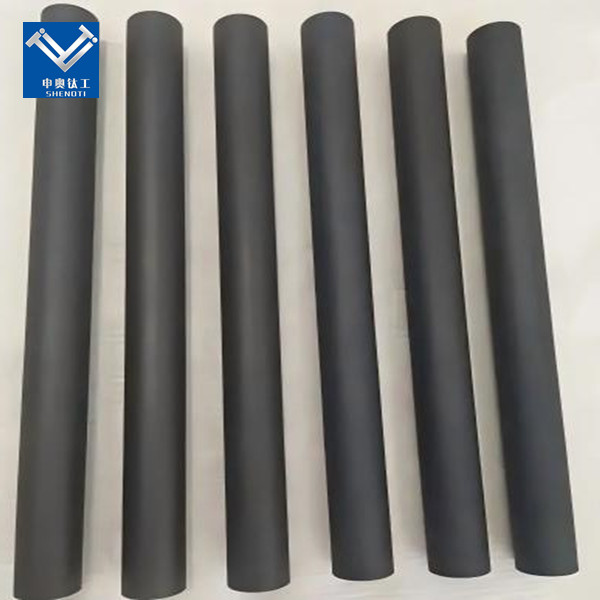
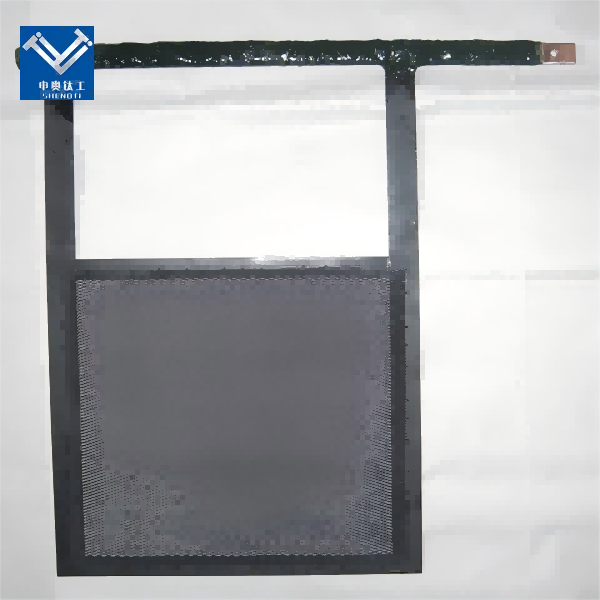
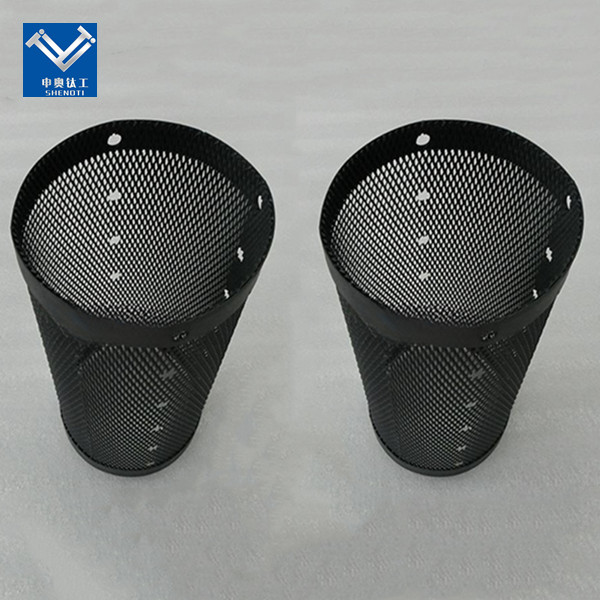
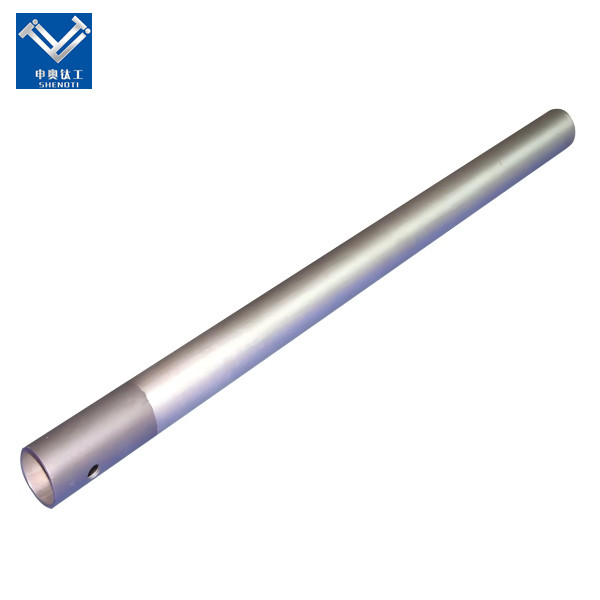
Our precious metal oxide coated anode products, built on high-specification titanium substrates and coated with oxide systems such as IrO₂, RuO₂, and TiO₂, can be customized into plate, mesh, tubular, and other geometric configurations to suit electrowinning cell designs of different scales. We recommend that hydrometallurgical enterprises and electrowinning system integrators conduct bench-scale or pilot validation of precious metal oxide coated anodes based on their specific electrolyte composition, target metal type, and operating parameters. By tracking indicators such as cell voltage variation trends, cathode product purity, and long-cycle coating operating performance, the technical compatibility and total lifecycle economics of the anode in the target application scenario can be evaluated.
Important Note: The performance descriptions above are based on engineering experience under specific test conditions or internal test data. Differences may exist between laboratory results and actual operating conditions. Actual oxygen evolution overpotential, working life, cathode purity improvement effects, and energy savings magnitude vary depending on electrolyte composition, temperature, current density, and system design. This product is an industrial electrochemical equipment component, and its suitability should be verified by the user according to local regulations and application conditions. Sufficient compatibility validation prior to bulk procurement is recommended.
Titanium Anode Manufacturer
Email: zh@baojiti.com.cn
Products: Titanium Anodes, MMO Titanium Anodes, DSA Coated Titanium Electrodes, Electrolysis Electrodes, Hydrogen Production Electrodes, Wastewater Treatment Titanium Anodes.