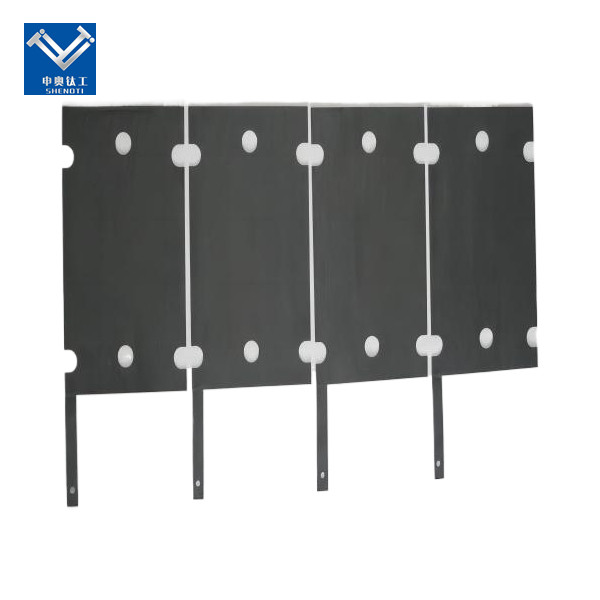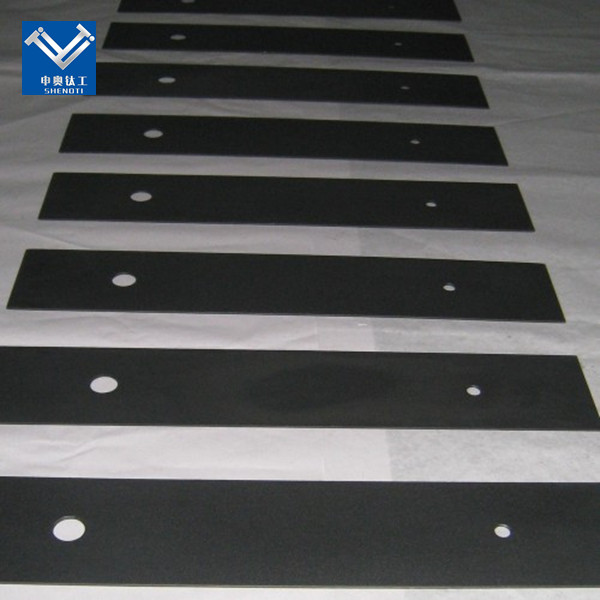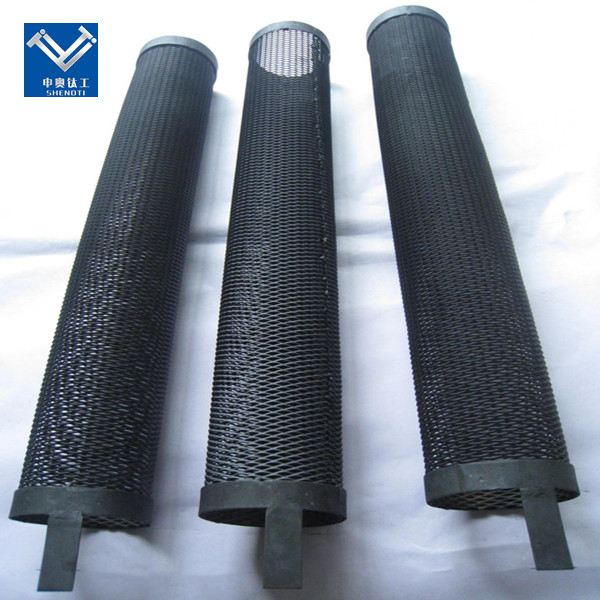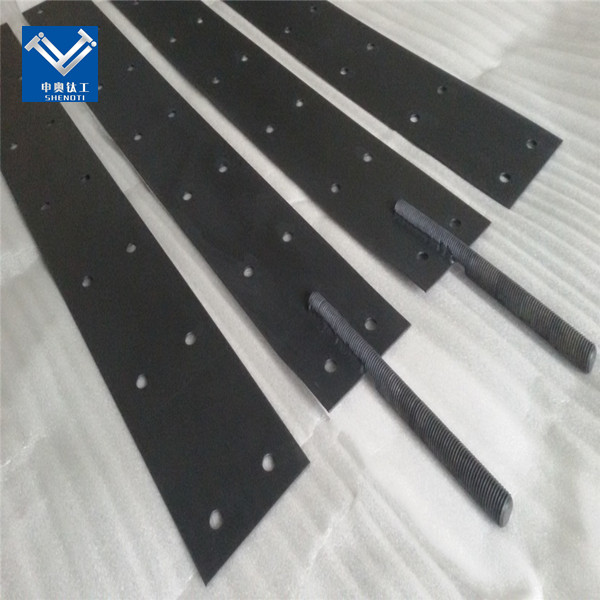
Iridium tantalum coated titanium anode for reverse pulse copper plating on PCB
2026-04-01 17:26:27
Iridium tantalum coated titanium anode for reverse pulse copper plating on PCB
The evolution of PCB electroplating anodes
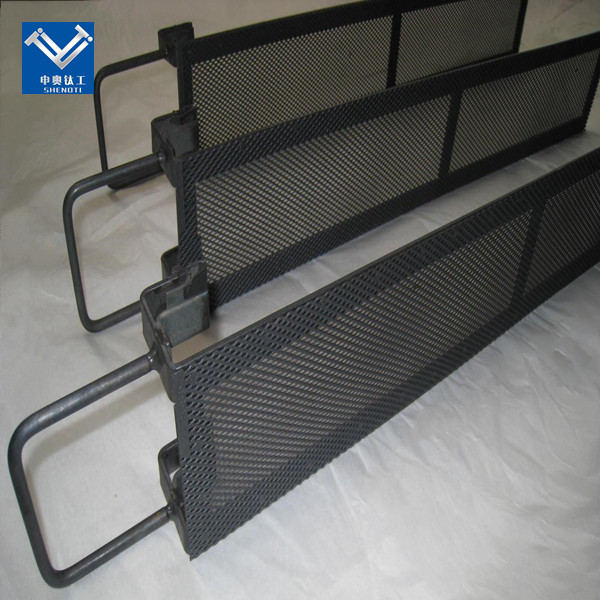
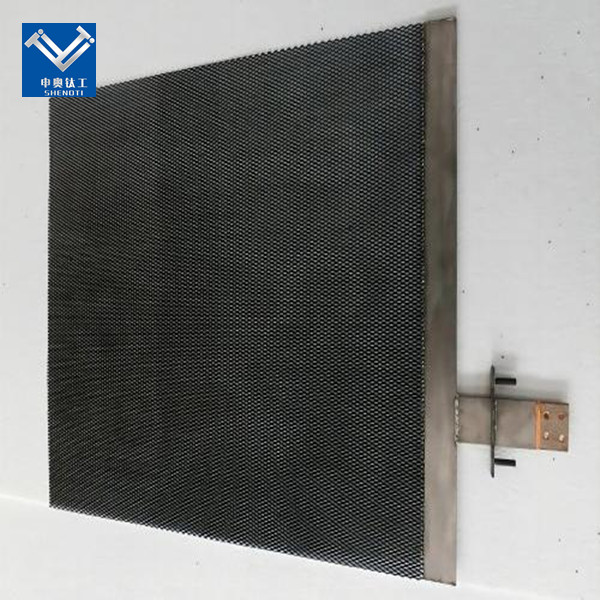
As the PCB moves to 0.2mm micropores and 15:1 aspect ratio, soluble copper anodes cannot provide uniform deposition or handle high current densities. MMO titanium anode has become the industry standard for reverse pulse electroplating, providing stable performance.
Technology and Manufacturing Process
1. Substrate preparation
Material: Grade 1 (TA1) titanium plate, cold-rolled to a surface finish of Ra ≤ 0.5 μ m.
Pre treatment: 5-step process (degreasing → pickling → etching → activation → drying) to ensure 100% coating adhesion.
2: Coating deposition
Formula: IrO ₂ - Ta ₂ O ₅ (70:30) - Iridium is used for catalytic activity, tantalum is used for pulse stability.
Method: Thermal decomposition is carried out in a vacuum furnace at 450-550 ° C to form a high surface area structure with mud cracking, achieving low overpotential.
Quality control: 100% pulse testing (500+hours) and 48 hour salt spray testing before shipment.
3: Performance indicators
Oxygen evolution overpotential: ≤ 1.2 V @ 1000 A/m ² → 12-18% lower energy usage.
Current distribution: Thickness variation of 18 × 24 inch panel ≤ 5%.
Service life: Reverse pulse line is 18-24 months (universal anode is 3-6 months).
4: Common Misconceptions
Misconception: All titanium anodes are suitable for reverse pulses.
Fact: Only Ir Ta coated anodes with buffer layers can resist reverse current delamination.
Misconception: The thicker the coating, the better the performance.
Fact: The thickness is 2-5 μ m; Thicker coatings will reduce adhesion and increase costs.
5: Conclusion and Selection Checklist
Choose an anode with the following characteristics:
Grade 1 titanium substrate
Ir Ta coating (2-5 μ m, thermally decomposed)
Reverse pulse authentication
12+months warranty
Factory customization capability


YOU MAY LIKE