Explosion Bonding Copper Clad Aluminum Plate: A Practical Solution for Electrical and Industrial Applications
2026-09-01 16:10:15
When a project needs the electrical conductivity of copper but also wants to reduce weight and material cost, choosing between copper and aluminum can be difficult. Copper offers excellent electrical and thermal conductivity, while aluminum is much lighter and often more economical.
An Explosion Bonding Copper Clad Aluminum Plate brings these two metals together in one composite material. Instead of simply mechanically fastening copper and aluminum, explosion bonding creates a strong metallurgical bond between the two metal layers.
For manufacturers, electrical equipment suppliers, power system integrators, and industrial component producers, this type of clad plate provides a practical way to combine the advantages of copper and aluminum.
What Is an Explosion Bonding Copper Clad Aluminum Plate?
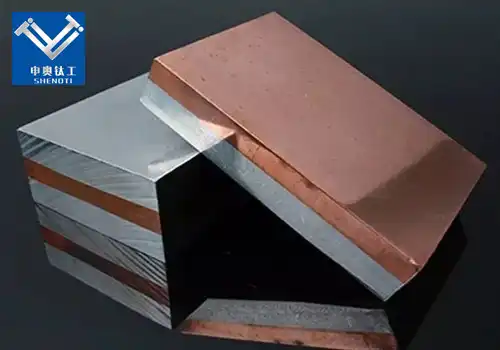
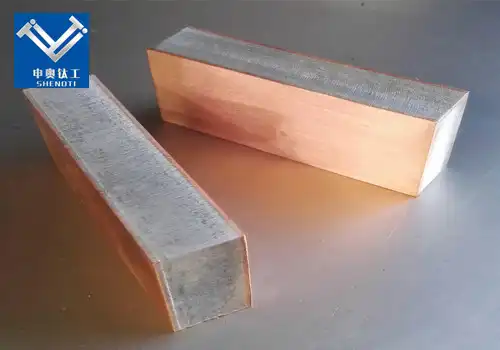
An Explosion Bonding Copper Clad Aluminum Plate is a bimetallic plate made by joining a copper layer and an aluminum layer through an explosion bonding process.
The basic idea is simple. Copper and aluminum are prepared as separate metal plates. During the bonding process, controlled explosive energy creates a high-speed collision between the metals. Under the appropriate pressure, impact angle, and process conditions, the surfaces of the two metals form a metallurgical bond.
The result is not just two sheets pressed together. The copper and aluminum become strongly bonded at the interface.
This is one of the main reasons an Explosion Bonding Copper Clad Aluminum Plate can be used in demanding industrial applications where ordinary mechanical joining may not provide enough reliability.
Copper and Aluminum Work Together
Copper is known for its excellent conductivity, good thermal performance, and reliable connection characteristics. Aluminum has a lower density, making it attractive when weight reduction is important.
By combining the two metals, copper clad aluminum plate can provide:
A conductive copper surface
A lightweight aluminum core or backing layer
Strong metallurgical bonding
Reduced overall material weight
Efficient use of copper
Good thermal and electrical performance
Flexible thickness and size options
The exact performance depends on the copper grade, aluminum grade, thickness ratio, plate dimensions, and bonding parameters.
How Does Explosion Bonding Work?
The manufacturing process is one of the most important factors affecting the quality of an Explosion Bonding Copper Clad Aluminum Plate.
Unlike traditional welding methods, explosion bonding uses controlled explosive energy to create a high-speed collision between two metal surfaces.
Surface Preparation
Before bonding, the copper and aluminum surfaces need to be properly prepared. Surface cleanliness is important because oil, oxidation, dust, and other contaminants can affect the bonding interface.
The base metals are inspected according to the required specifications, and their dimensions and surface conditions are checked before assembly.
Controlled Explosive Bonding
The copper and aluminum plates are arranged with a controlled gap or specific configuration. An explosive layer is then positioned according to the designed bonding parameters.
When the controlled detonation occurs, the copper plate moves at high speed toward the aluminum plate. The collision generates extremely high pressure at the interface.
This high-pressure impact removes surface contaminants and promotes intimate contact between the two metals.
Metallurgical Bonding Interface
A properly produced Explosion Bonding Copper Clad Aluminum Plate has a metallurgical bonding interface rather than a simple adhesive or mechanical connection.
The interface may show a characteristic wave pattern when examined through metallographic testing. The bonding quality is evaluated according to project requirements and applicable technical standards.
After bonding, the composite plate may undergo processes such as cutting, leveling, heat treatment, machining, inspection, and testing.
Why Choose Explosion Bonding for Copper and Aluminum?
Copper and aluminum have different physical and chemical characteristics. Directly joining them through conventional fusion welding can be challenging.
Explosion bonding provides another approach.
Strong Bond Between Dissimilar Metals
One major advantage is the ability to join dissimilar metals that can be difficult to combine using conventional welding techniques.
The process can create a strong interface between copper and aluminum while maintaining the main characteristics of each metal.
This makes Explosion Bonding Copper Clad Aluminum Plate useful when a component needs different material properties on different sides.
Reduce Copper Consumption
Copper is more expensive and denser than aluminum in many applications. Using copper only where its conductivity is required can reduce the total amount of copper used.
For example, a project may require a copper surface for electrical connection while the rest of the component can use aluminum.
A copper clad aluminum structure can therefore help optimize material usage.
Lower Weight
Aluminum has a much lower density than copper. Replacing part of a solid copper component with aluminum can significantly reduce weight.
This can be valuable for electrical equipment, transportation-related components, power systems, and large industrial structures where every kilogram matters.
Good Electrical Conductivity
The copper layer provides an excellent conductive surface. Depending on the design, the aluminum layer can provide structural support and additional current-carrying capability.
The actual electrical performance should be calculated according to the required current, cross-sectional area, temperature rise, and operating environment.
Main Applications of Explosion Bonding Copper Clad Aluminum Plate
The application range of an Explosion Bonding Copper Clad Aluminum Plate is closely related to the customer's design requirements.
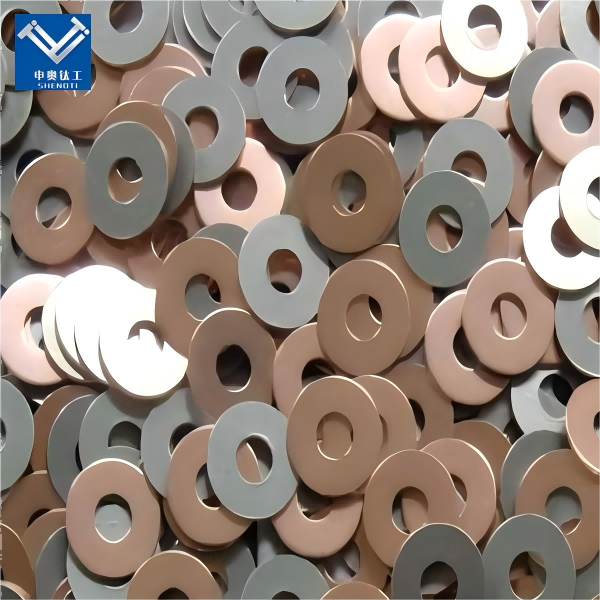
It can be processed into electrical transition components, conductive plates, busbar-related parts, connection components, and other industrial products.
Electrical Equipment
Electrical equipment manufacturers can use copper-aluminum clad materials where a copper contact surface and lightweight aluminum structure are required.
Typical applications may include conductive components, electrical transition parts, connection plates, and other custom-designed components.
The copper side can provide a reliable electrical contact surface, while the aluminum side helps reduce weight and material consumption.
Power Transmission and Distribution
Power transmission and distribution equipment often requires materials with good conductivity and mechanical reliability.
Copper-aluminum composite materials can be considered for selected busbar components, transition joints, electrical connectors, and related equipment.
The exact design depends on current capacity, voltage level, temperature, mechanical loading, installation method, and environmental conditions.
Electrical Transition Joints
Connecting copper equipment to aluminum equipment can create material compatibility challenges.
An Explosion Bonding Copper Clad Aluminum Plate can serve as a transition material between copper and aluminum components.
Instead of relying on a simple mechanical connection between two different metals, the clad material provides a factory-produced transition interface.
This can simplify certain connection designs and help reduce problems associated with direct copper-aluminum contact.
Heat Transfer and Industrial Equipment
Copper and aluminum both have good thermal conductivity, although their properties are different.
A copper-aluminum composite plate can be designed for applications that require heat transfer characteristics on one side and lower weight or different mechanical properties on the other side.
Potential uses include heat transfer components, cooling structures, industrial equipment, and customized thermal management parts.
Explosion Bonding Copper Clad Aluminum Plate vs. Traditional Copper Plate
For some applications, solid copper is still the best choice. However, it may not always be necessary to use copper throughout the entire component.
An Explosion Bonding Copper Clad Aluminum Plate can offer an alternative when the application needs copper performance only in specific areas.
The main potential advantages include:
Lower material weight
Reduced copper consumption
Copper conductive surface
Strong copper-aluminum metallurgical interface
Flexible thickness combinations
Customizable dimensions
Suitable for further machining and fabrication
The best choice depends on the application rather than simply the material price.
What Should You Consider When Selecting Copper Clad Aluminum Plate?
Before ordering an Explosion Bonding Copper Clad Aluminum Plate, several technical factors should be confirmed.
Copper Grade
Common copper grades may include commercially pure copper or other copper alloys depending on the application.
The selected copper grade affects electrical conductivity, mechanical properties, corrosion behavior, and processing requirements.
Aluminum Grade
The aluminum grade should also be selected according to the application.
Different aluminum grades provide different combinations of strength, conductivity, corrosion resistance, and machinability.
Cladding Ratio
The thickness of the copper and aluminum layers is another important design parameter.
For example, a customer may require a relatively thin copper layer combined with a thicker aluminum base. The appropriate ratio depends on electrical, mechanical, thermal, and machining requirements.
Plate Dimensions
Length, width, total thickness, copper thickness, aluminum thickness, flatness, and dimensional tolerance should be confirmed before production.
Large-size plates may require different process planning compared with smaller components.
Bonding Strength and Inspection
For industrial applications, bonding quality is critical.
Depending on the project, testing may include ultrasonic inspection, tensile shear testing, metallographic examination, dimensional inspection, and other specified tests.
A professional manufacturer should be able to provide inspection data according to the agreed technical requirements.
Custom Explosion Bonding Copper Clad Aluminum Plate
Not every application can use a standard plate size or standard copper-to-aluminum ratio.
This is why customized Explosion Bonding Copper Clad Aluminum Plate solutions are important for industrial customers.
A customized project can be developed around:
Copper grade
Aluminum grade
Copper thickness
Aluminum thickness
Total thickness
Plate length and width
Bonding requirements
Surface condition
Machining requirements
Testing standards
Packaging and delivery requirements
For example, a customer may need a large copper-aluminum clad plate for further machining, while another customer may need a smaller finished transition component.
The manufacturing approach should be selected according to the final application rather than using one standard specification for every project.
Quality Control for Explosion Bonding Copper Clad Aluminum Plate
Quality control should cover the entire manufacturing process.
Before production, the raw materials should be checked for chemical composition, mechanical properties, dimensions, and surface condition.
During explosion bonding, process parameters need to be controlled carefully.
After bonding, the interface and overall plate condition should be inspected.
For demanding applications, customers may request additional tests to verify:
Bonding integrity
Interface quality
Shear strength
Surface condition
Dimensional tolerance
Flatness
Internal defects
Chemical composition
Good quality control helps ensure that the Explosion Bonding Copper Clad Aluminum Plate performs consistently during subsequent machining and final assembly.
Why Work With an Experienced Manufacturer?
Explosion bonding is not simply a matter of placing two metal plates together and applying explosive energy. Material selection, surface preparation, plate arrangement, bonding parameters, post-processing, and inspection all influence the final product.
An experienced manufacturer can evaluate the customer's actual working conditions and recommend a suitable copper-aluminum combination.
This is particularly important for large-size plates, special thickness ratios, electrical transition components, and customized industrial products.
A reliable supplier should be able to discuss the technical requirements before production and provide clear information about material grades, dimensions, bonding quality, testing, and delivery.
Conclusion
An Explosion Bonding Copper Clad Aluminum Plate combines the advantages of copper and aluminum in one engineered composite material.
The copper layer can provide excellent electrical and thermal conductivity, while the aluminum layer helps reduce weight and copper consumption. Through controlled explosion bonding, the two dissimilar metals can form a strong metallurgical interface.
For electrical equipment, power systems, transition joints, thermal applications, and other industrial projects, copper-aluminum clad plate can provide a practical alternative to using solid copper.
The key is choosing the right material grades, thickness ratio, dimensions, bonding process, and inspection requirements for the actual application.
If your project requires a customized Explosion Bonding Copper Clad Aluminum Plate, providing the required copper grade, aluminum grade, plate dimensions, layer thickness, application, and testing requirements will help the manufacturer develop a more suitable solution.
In industrial material selection, the goal is not simply to choose copper or aluminum. The better approach is to use each material where it provides the most value—and explosion bonded copper-aluminum composite technology makes that approach possible.
Email: zh@baojiti.com.cn
Products: copper clad aluminum plate、copper aluminum composite plate、explosion bonding、copper aluminum transition joint、bimetallic plate、electrical applications