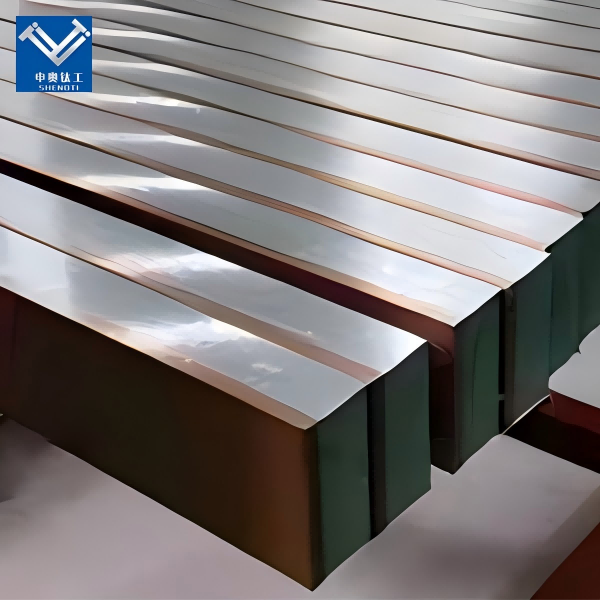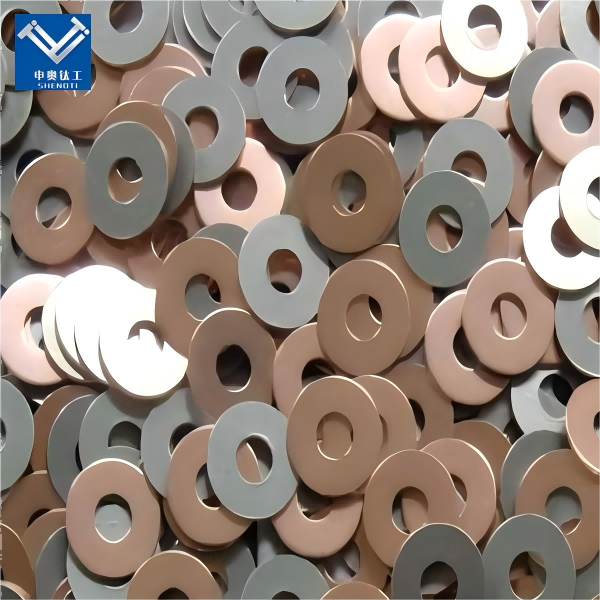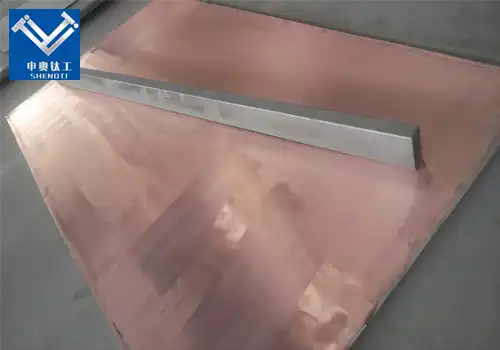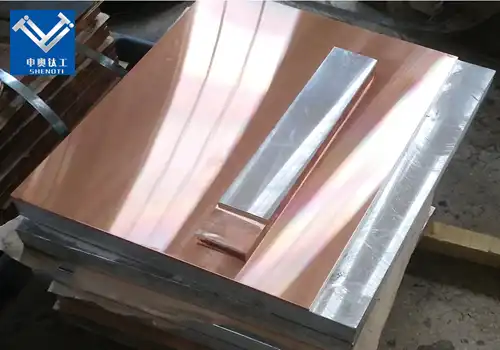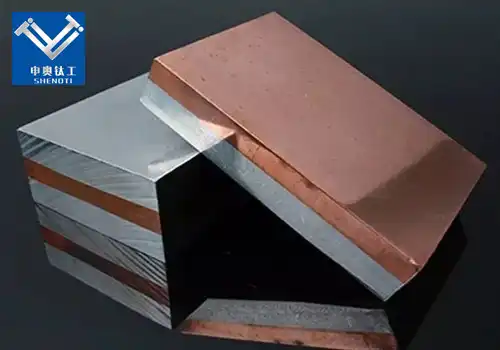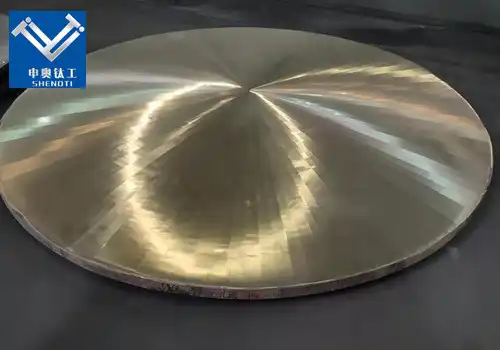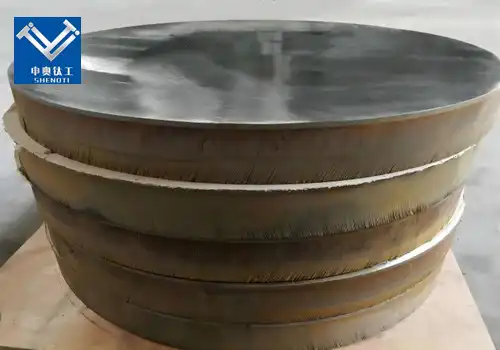
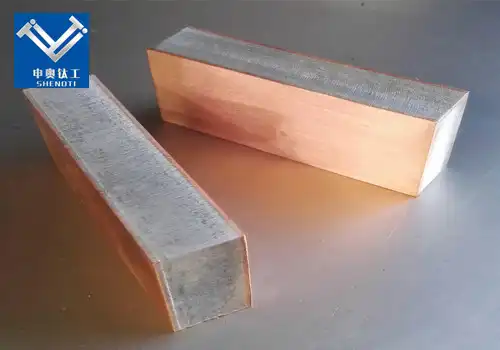
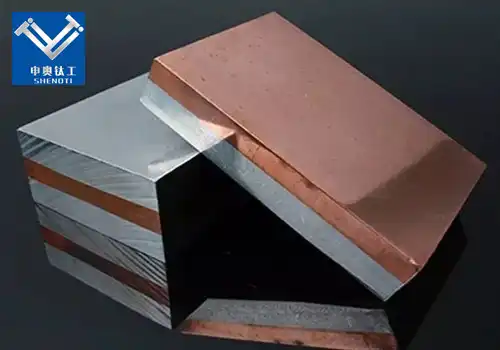
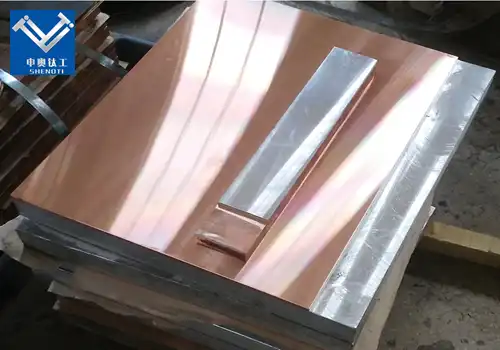
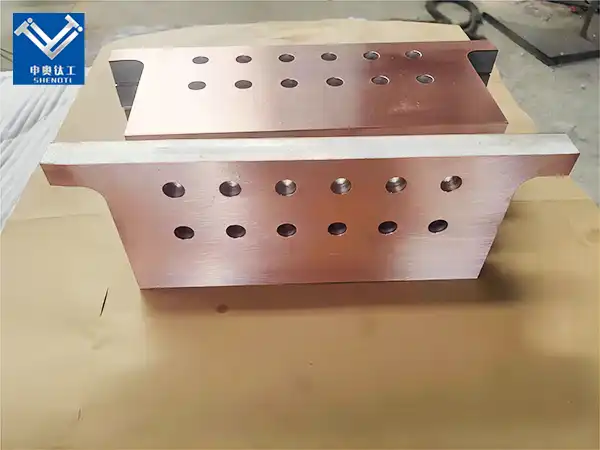
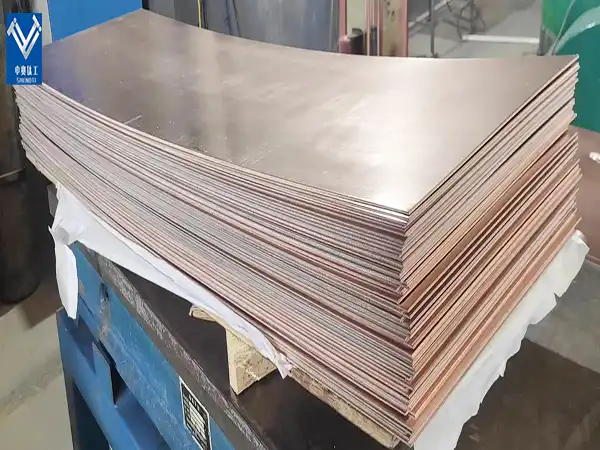
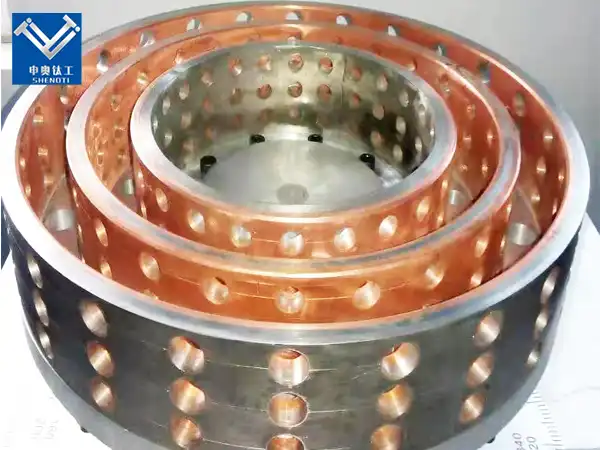
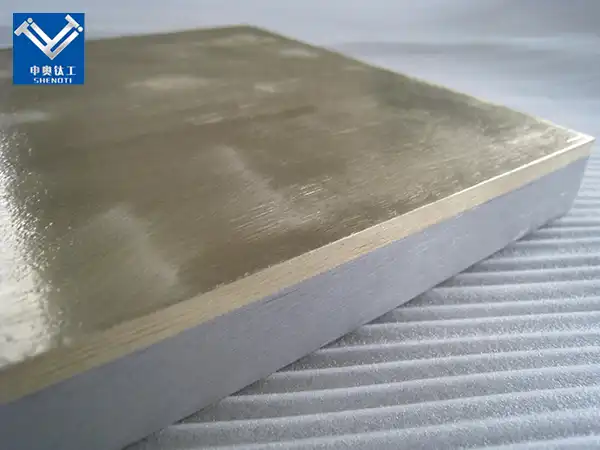
Copper aluminum transition plate


Thickness Range:Copper: 1–10 mm, Aluminum: 3–20 mm
Width:Up to 1500 mm
Length:Customizable, up to 3000 mm
Bonding Technology:Explosive welding
Conductivity:Copper: > 95%, Aluminum: > 60% IACS
Corrosion Resistance:Excellent in acidic, alkaline, and marine environments
Operating Temperature:-50°C to 300°C
Certification:ISO 9001, ASTM B898
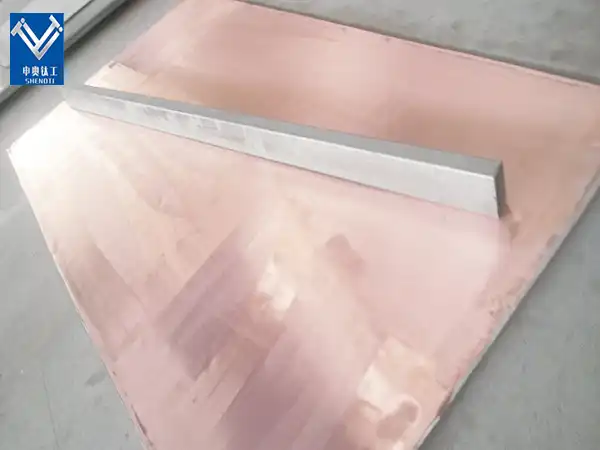
Copper Aluminum Transition Plate: Superior Bimetallic Solution for Power Distribution
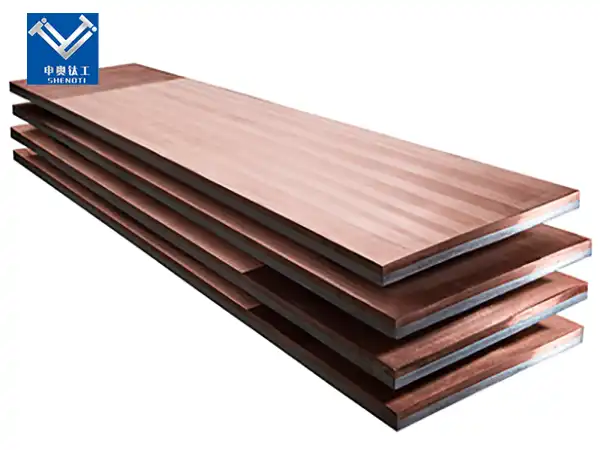
When you need reliable electrical connections between copper and aluminum conductors, you face a critical challenge: galvanic corrosion. Our Copper aluminum transition plate solves this problem at the molecular level. Manufactured through explosive welding technology, these plates achieve 99.9% pure copper bonded to 99.7% pure aluminum with conductivity exceeding 95% IACS on the copper side and 60% IACS on aluminum. Available in thicknesses from 1–10 mm (copper) and 3–20 mm (aluminum), widths up to 1500 mm, and customizable lengths reaching 3000 mm, our transition plates operate reliably from -50°C to 300°C while providing excellent corrosion resistance in harsh industrial environments.
Why You Need a Copper Aluminum Transition Plate?
Interfacing divergent metals specifically makes electrochemical responses that corrupt joints over time. You've likely seen erosion buildup at association focuses, expanded resistance, and possible framework failure.
Our move plates dispose of these issues totally. The dangerous welding prepare makes a metallurgical bond more grounded than the parent materials themselves. Not at all like mechanical clamps or tinned associations, this atomic obstruction stops galvanic activity some time recently it starts.
Your operations advantage instantly. Vitality misfortunes drop. Support plans disentangle. Framework unwavering quality makes strides drastically.
 |
 |
 |
 |
 |
 |
Technical Specifications
|
Parameter
|
Specification
|
|
Material Composition
|
Copper: 99.9% purity; Aluminum: 99.7% purity
|
|
Thickness Range
|
Copper: 1–10 mm; Aluminum: 3–20 mm
|
|
Width
|
Up to 1500 mm
|
|
Length
|
Customizable, up to 3000 mm
|
|
Bonding Technology
|
Explosive welding
|
|
Conductivity
|
Copper: > 95% IACS; Aluminum: > 60% IACS
|
|
Corrosion Resistance
|
Excellent in acidic, alkaline, and marine environments
|
|
Operating Temperature
|
-50°C to 300°C
|
|
Certification
|
ISO 9001, ASTM B898
|
Where These Plates Excel?
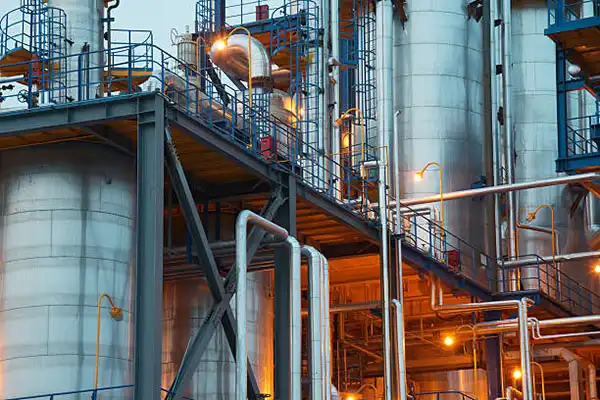
Power Transformers and Substations
You require associations that survive decades of open air introduction. Our plates bridge aluminum busbars to copper bushings whereas keeping up low-loss current transmission through temperature extremes, stickiness, and mechanical pollution.
Renewable Vitality Systems
Your sun oriented and wind establishments request vibration-resistant associations. In inverter cabinets where aluminum inner wiring meets copper outside networks, these plates handle high-vibration conditions without extricating or debasing.
Heavy Industry and Electrolytic Smelting
When current densities exceed 2A/mm² in chemical-laden environments, standard joints fail rapidly. Our Copper aluminum transition plate manages these extreme conditions while resisting corrosive fumes that destroy ordinary connections.
 |
 |
 |
 |
 |
 |
 |
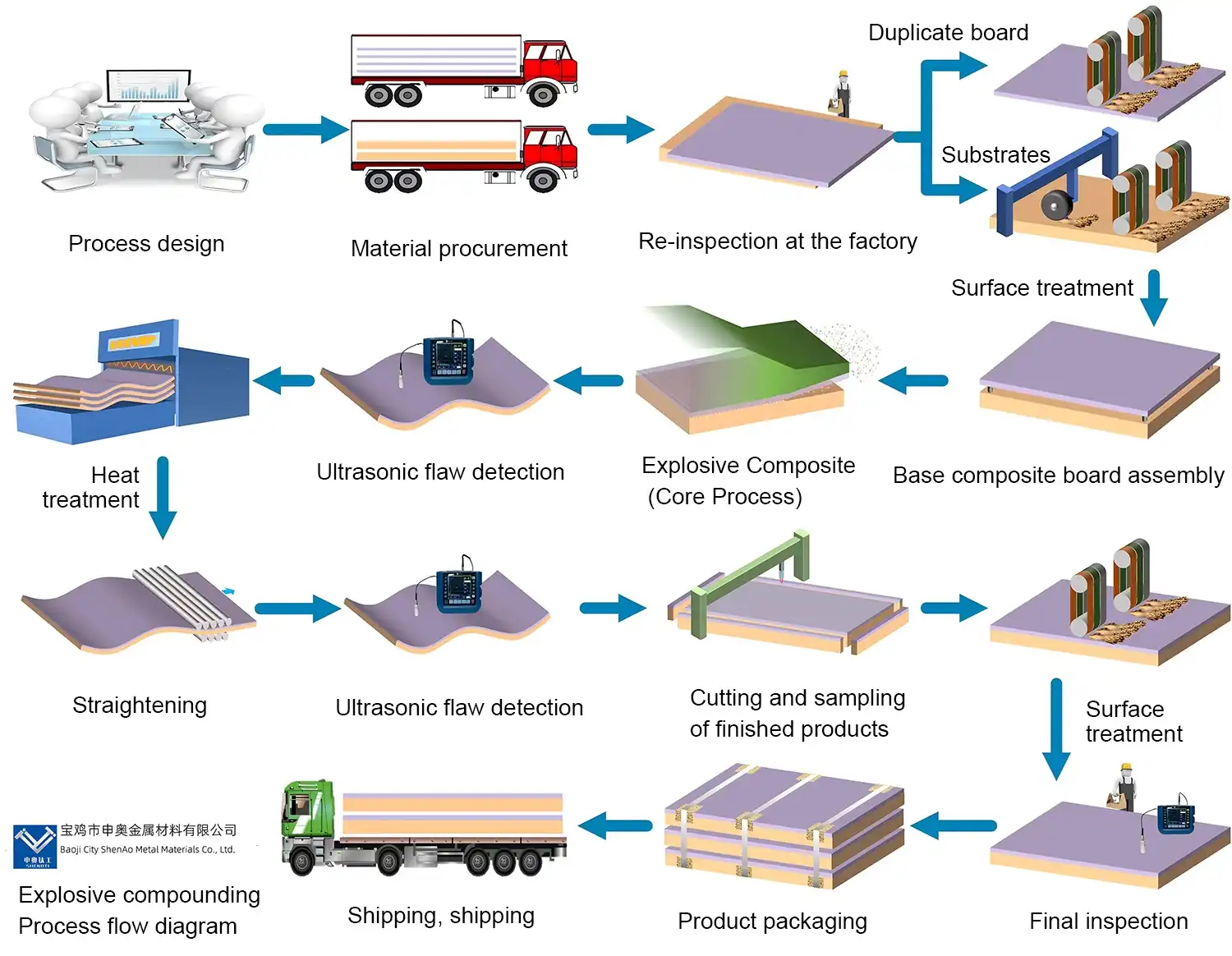
Product production process
Manufacturing Excellence Since 2008
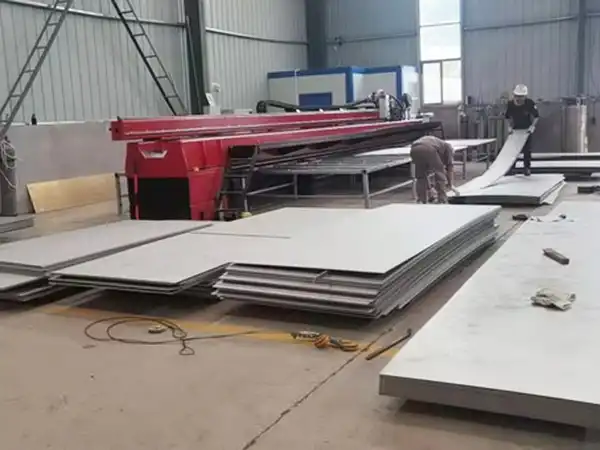
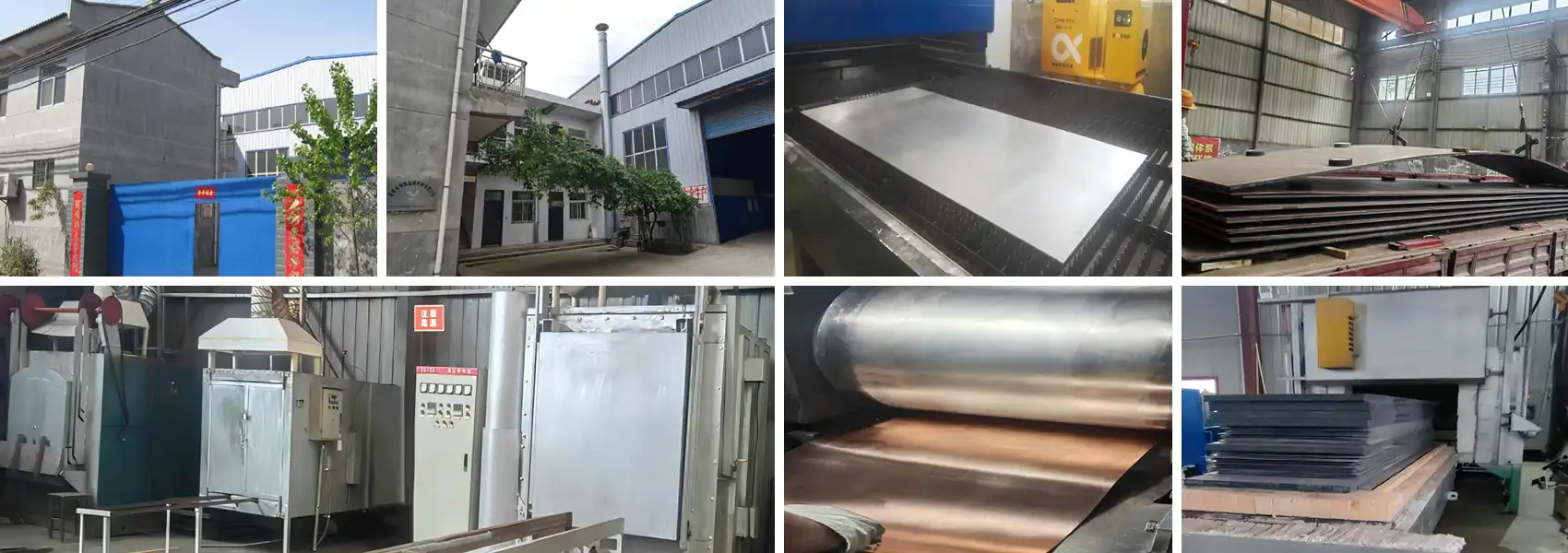
Baoji City ShenAo Metal Materials Co., Ltd. has specialized in bimetallic composite materials for 17 a long time. Found in China's Titanium Valley, we combine dangerous welding skill with thorough quality control.
Our specialized group works straightforwardly with your determinations. Little test clusters or huge generation runs—we convey on plan with steady quality. Each plate experiences strict testing some time recently shipment.
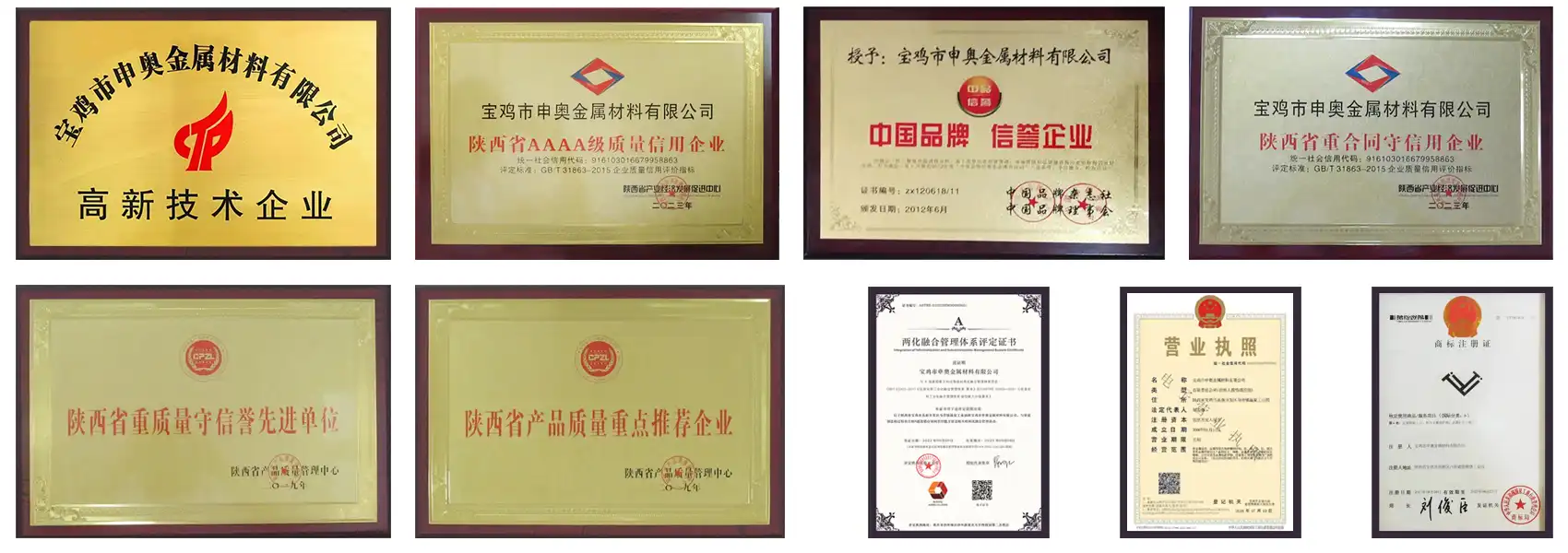
We've joined forces with hundreds of gear producers and electrochemical ventures. Our notoriety reflects our commitment: dependable items, opportune conveyance, responsive service.
Custom Solutions for Your Requirements
Every application presents interesting challenges. We customize details counting copper-to-aluminum proportions, dimensional resiliences, and surface treatments.
Share your specialized necessities with us. Our building group will suggest the ideal arrangement for your working conditions, current loads, and natural variables.
 |
 |
 |
 |
 |
 |
 |
 |
 |
Application Industries
 |
 |
 |
 |
 |
 |
 |
 |
Our Factory
Our Patents and Honors
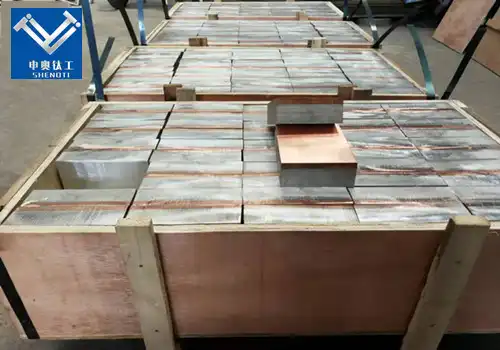
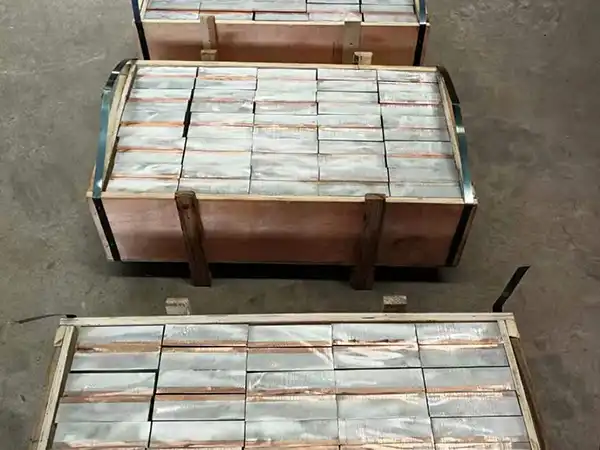
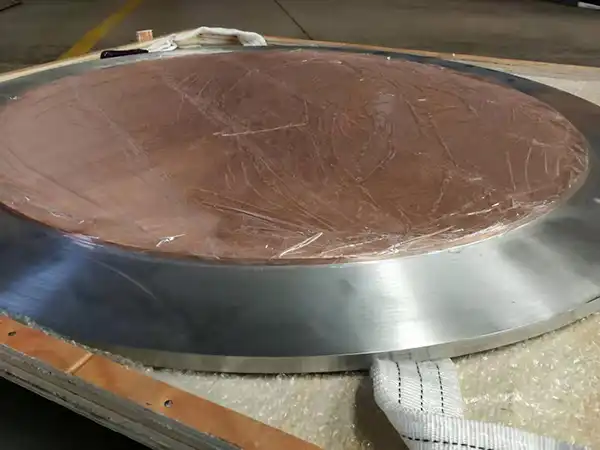
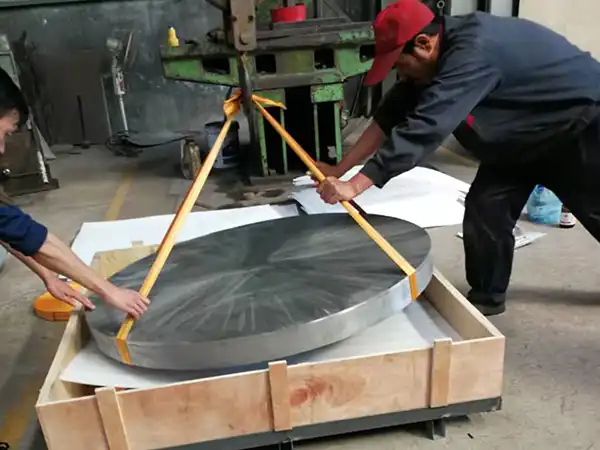
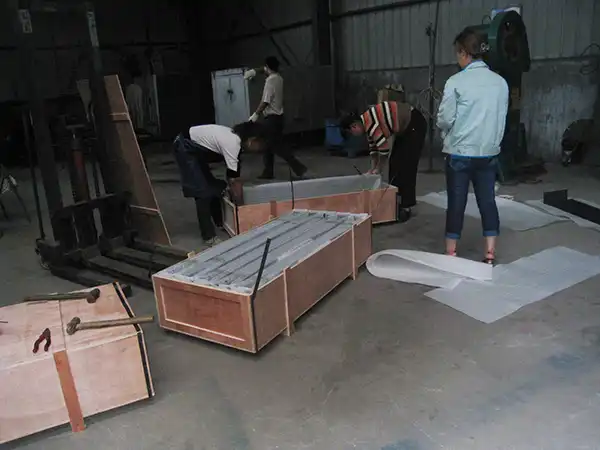
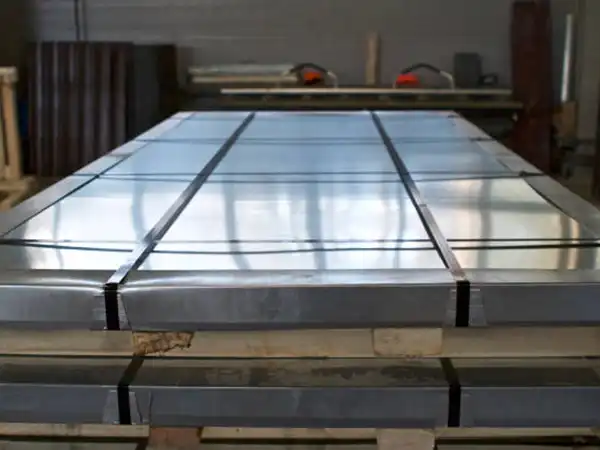
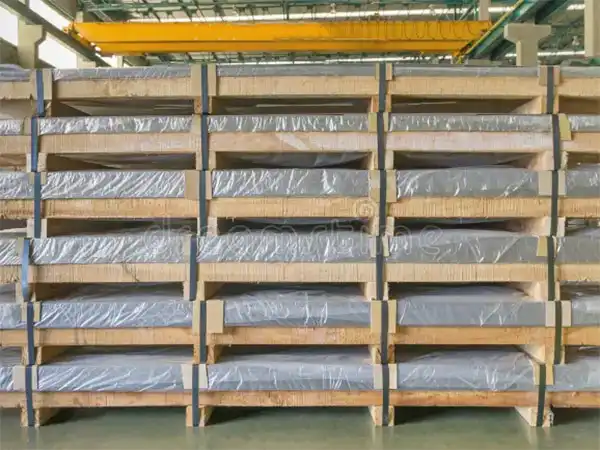
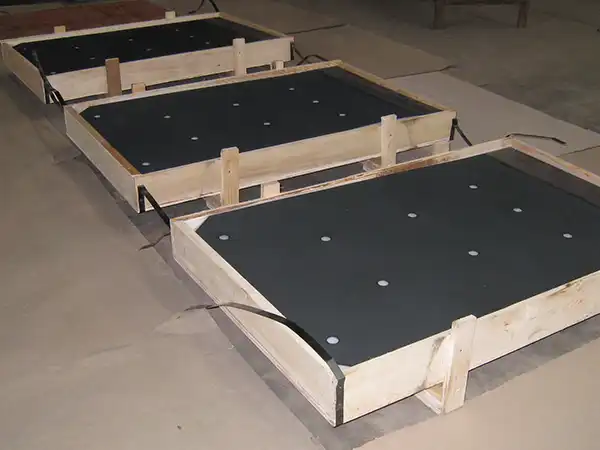
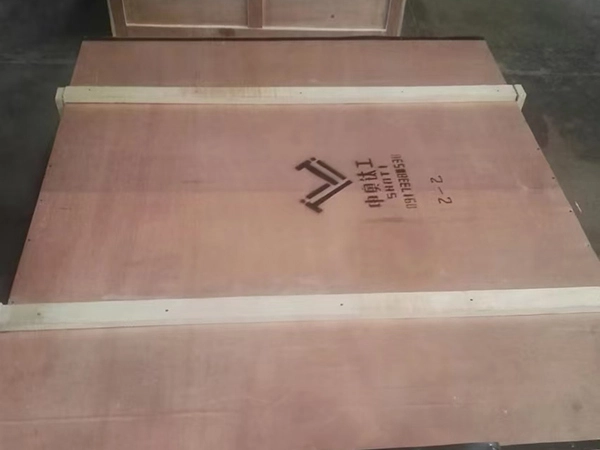
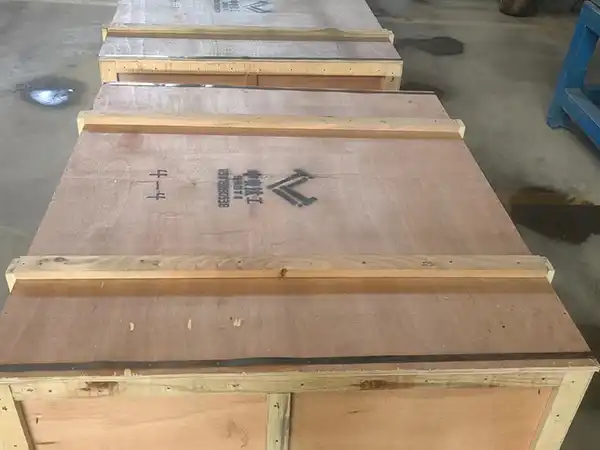
 Our Packaging
 |
 |
 |
 |
 |
 |
 |
 |
 |
 |
Frequently Asked Questions
Q: Why can't I fair utilize a tinned copper carry on an aluminum busbar?
A: Tinning makes a difference but doesn't dispense with the cathode potential contrast. A move plate gives a atomic boundary that totally stops galvanic action.
Q: What is the favored welding strategy for these plates?
A: Dangerous cladding guarantees uniform bond thickness over huge level plates, making reliable execution all through the whole surface area.
Q: Can these plates withstand tall temperatures?
A: They're evaluated for persistent operation at 120°C, with short-circuit crests up to 200°C. Past this temperature, fragile intermetallic layers may develop.
Q: Do they require maintenance?
A: Once introduced with appropriate torque, they're for all intents and purposes maintenance-free. Not at all like mechanical clamps requiring intermittent fixing, our item associations remain secure.
Q: Is there a particular introduction for installation?
A: Continuously interface the aluminum side to your aluminum conductor and copper to copper. This keeps up the astuteness of the bimetallic arrangement.
Contact Us
Ready to eliminate connection failures with Copper aluminum transition plate? Email your specifications to zh@baojiti.com.cn for expert consultation and competitive pricing.
YOU MAY LIKE