Copper-Aluminum Clad Panels for Industrial Electrical Applications
2026-06-02 15:57:57
Copper-Aluminum Clad Panels: A Cost-Effective Solution for Industrial Electrical Systems
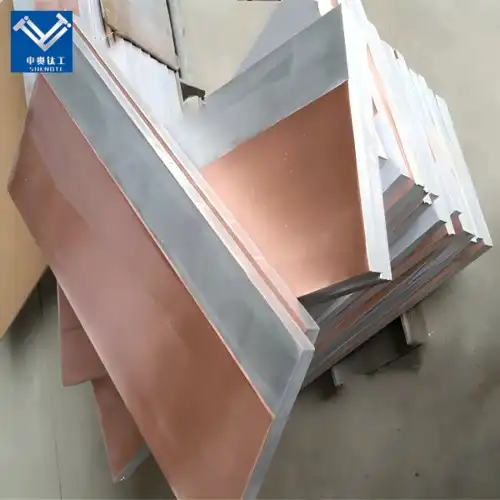
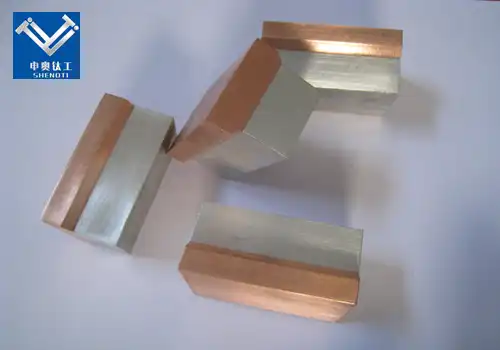
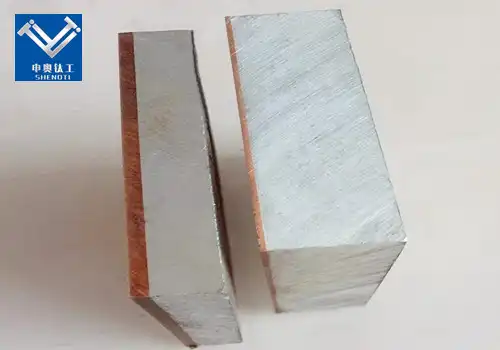
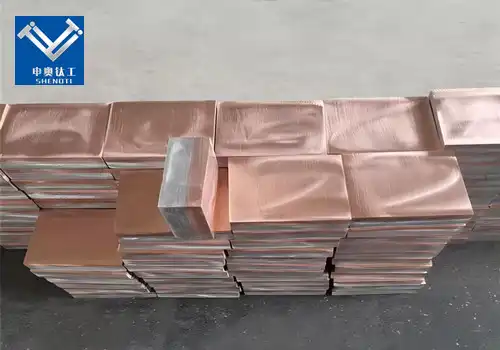
Copper-Aluminum Clad Panels combine the high conductivity of copper with the lightweight and low-cost properties of aluminum. Manufactured using advanced metallurgical bonding technology, they are used in power distribution equipment, switchgear systems, transformers, busbars, renewable energy systems, industrial automation, and various heavy-duty electrical installations.
Manufacturing Processes of Copper-Aluminum Clad Panels
1. Roll Bonding
Roll bonding involves compressing copper and aluminum layers together under high pressure and controlled temperature to form a permanent bond.
2. Explosion Bonding
Explosion bonding is used for large industrial panels, providing a strong metallurgical interface for demanding electrical applications.
3. Hot Press Bonding
Hot press bonding combines heat and pressure to form a composite structure.
Advantages of Copper-Aluminum Composite Panels
1. High Conductivity
Copper's high conductivity allows for high current transmission, reducing resistance and energy loss, thus lowering material costs.
2. Lightweight Structure
Easy to handle, quick to install, low transportation costs, and low structural load.
3. Corrosion Resistance
Copper surfaces are resistant to corrosion, moisture, industrial contaminants, atmospheric corrosion, and oxidation, ensuring a long service life even in harsh industrial environments.
4. Strong Mechanical Properties
Possesses tensile strength, impact resistance, structural stability, and good thermal performance, making it suitable for heavy-duty electrical equipment.
5. Energy Efficiency
Low resistance and low loss improve overall electrical system efficiency and reduce operating costs.
Applications of Copper-Aluminum Composite Panels in Industrial Electrical Systems
1. Busbar Systems
Used to manufacture busbars that balance performance and cost in industrial power distribution systems.
2. Switchgear
Switchgear systems require conductive materials capable of handling high current loads.
3. Transformer Manufacturing
Transformers require conductive components with stable electrical performance.
4. Renewable Energy Systems
Renewable energy facilities expand solar power systems.
5. Wind Power Systems
Wind turbines require durable conductive materials capable of withstanding harsh environmental conditions.
6. Battery Storage Systems
Battery storage projects require efficient current transfer between battery modules and power management systems.
7. Electric Vehicle Charging Infrastructure
Charging stations for electric vehicles require reliable conductive materials.
Why Choose Copper-Aluminum Composite Panels Instead of Pure Copper?
Engineers compare copper-aluminum composite panels with traditional pure copper products.
Cost Comparison
Copper-aluminum composite panels reduce material costs while maintaining similar electrical functionality.
Weight Reduction
Compared to pure copper components, copper-aluminum composite panels can reduce overall weight by up to 40% to 60% depending on the design.
Higher Installation Efficiency
The lighter material facilitates transportation and installation, reducing labor requirements and shortening project timelines.
Longer Service Life
High-quality copper-aluminum composite panels provide lasting performance and years of reliable operation.
The conductivity, strength, lightweight, and cost-effectiveness of copper-aluminum composite panels offer a practical solution for a wide range of industrial electrical applications.
From busbar systems and switchgear to transformers, renewable energy installations, battery storage systems, and electric vehicle charging infrastructure, copper-aluminum composite panels deliver reliable performance and long-term value.
For manufacturers, engineers, and project developers who want to optimize electrical system performance while controlling costs, copper-aluminum composite panels are a wise choice for industrial applications.
Email: zh@baojiti.com.cn
WhatsApp: +86-13636825659