
Application of Titanium Anode in PCB Copper Recycling
2026-03-24 14:55:03
The application of titanium anodes in PCB copper recycling has become a core solution for electronic manufacturers, effectively addressing the dual challenges of resource waste and environmental protection in PCB production. PCB manufacturing generates a large amount of copper containing waste liquid, and titanium anodes have strong corrosion resistance, making copper recovery more efficient, economical, and environmentally friendly.
In PCB production, the etching process generates waste liquid rich in copper ions - up to 0.5 kilograms of copper can be dissolved into the solution per square meter of PCB substrate. This not only wastes valuable copper resources, but also poses environmental risks if not handled properly. The key components of titanium anode electrolytic recycling process have gradually replaced traditional electrodes, bringing revolutionary upgrades to PCB copper recycling.
The role of titanium anode in PCB copper recycling process
The application of titanium anodes in PCB copper recycling mainly focuses on the electrolytic regeneration of etching solutions. In the electrolytic cell, the titanium anode and cathode work together to separate and recover copper ions from the waste etching solution. After being powered on, copper ions in the waste liquid are reduced and deposited on the cathode, forming high-purity electrolytic copper; The titanium anode stably releases oxygen, promotes the reaction, and ensures the continuous and efficient operation of the recovery process.
Unlike traditional graphite or lead anodes, titanium anodes have excellent corrosion resistance and can operate stably without corrosion even in high concentration corrosive etching solutions, thereby extending the service life of recycling equipment and reducing maintenance costs. This stable performance is the key to ensuring the continuous recycling of PCB copper.
The practical advantages of titanium anode in PCB copper recycling
The application of titanium anodes in PCB copper recycling has brought many practical benefits to manufacturers, balancing efficiency, cost, and environmental protection. Titanium anodes can improve copper recovery rates - Titanium anodes coated with precious metal oxides have high current efficiency, increasing copper recovery rates while reducing energy consumption, making the recovered copper meet the quality standards for reuse in the electronic engineering industry.
Titanium anodes can reduce environmental pressure. By recycling copper from waste etching solutions, the emission of heavy metal pollutants can be significantly reduced, helping manufacturers comply with global environmental policies. Meanwhile, the regenerated etching solution can be reused for production, further reducing production costs and resource waste. In addition, titanium anodes have a long service life (usually 2-5 years) and can be customized into mesh, plate, or tube shapes according to different production needs to adapt to various PCB copper recycling scenarios.
Market prospects of titanium anodes in PCB copper recycling
With the rapid development of the electronics industry and the increasing emphasis on environmental protection and resource recycling, the application of titanium anodes in PCB copper recycling has broad market prospects. It is estimated that the global titanium electrode market for electrolytic copper foil (including PCB copper recycling) will grow at a compound annual growth rate of 7.5% between 2025 and 2034, driven by the growing demand for high-performance PCBs in the consumer electronics and new energy vehicle sectors.
For PCB manufacturers, using titanium anodes for copper recycling is not only a response to environmental policies, but also a way to reduce costs and enhance core competitiveness. With the advancement of technology, the performance of titanium anodes will be further optimized, making them play a more important role in PCB copper recycling.
In summary, the application of titanium anodes in PCB copper recycling is an efficient, environmentally friendly, and economical solution, effectively addressing the pain points of resource waste and environmental pollution in PCB production. It not only helps manufacturers achieve resource recycling and cost reduction, but also promotes the green and sustainable development of the electronics industry, becoming an indispensable part of modern PCB manufacturing.
Korea Printed Circuit & Semiconductor Packaging Industrial Association (KPCA)
European Institute of Printed Circuits (EIPC)


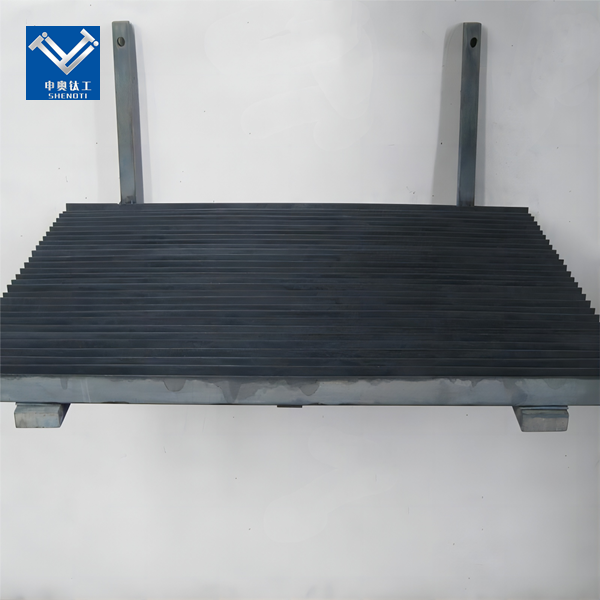
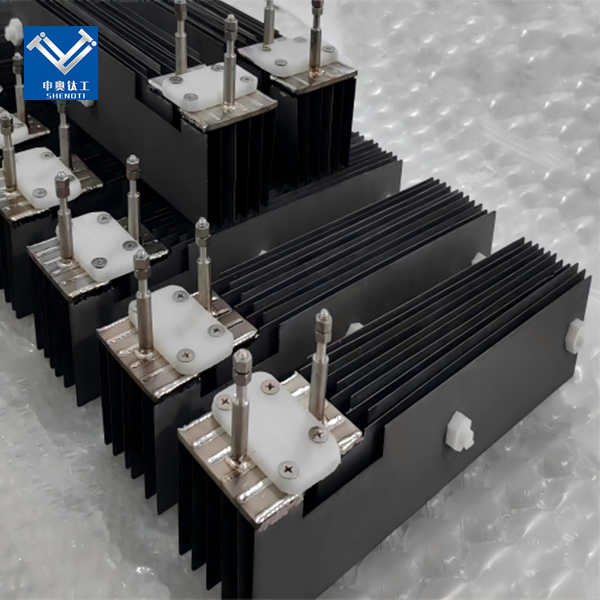
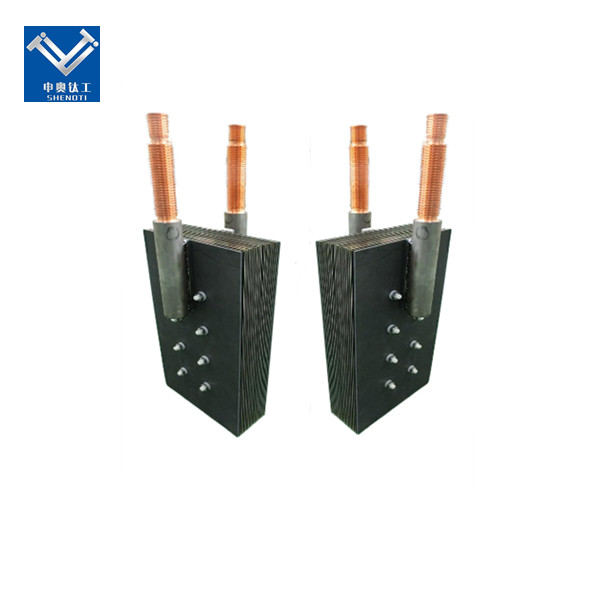
_1777257561181.jpg "Titanium anode for copper recovery from etching solution")