Analysis of Chlorine Evolution Mechanism of Titanium Anodes for Electrolytic Disinfection
2026-03-05 14:12:42
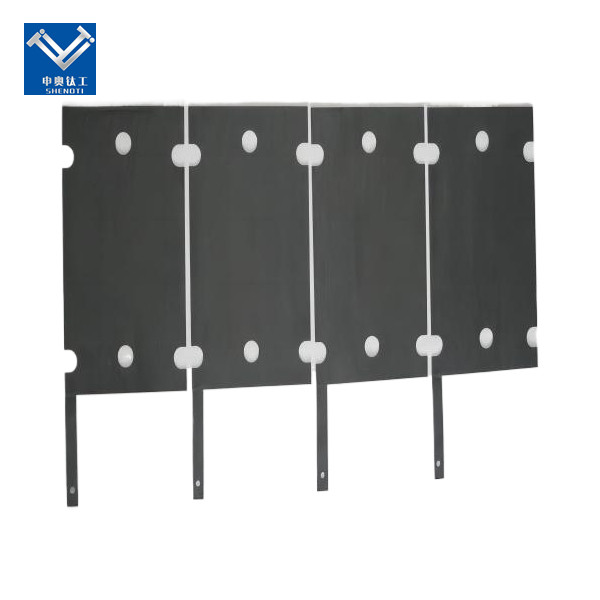
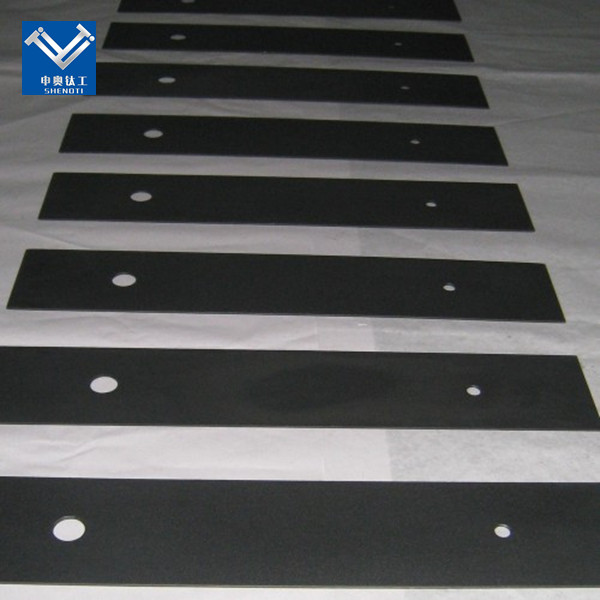
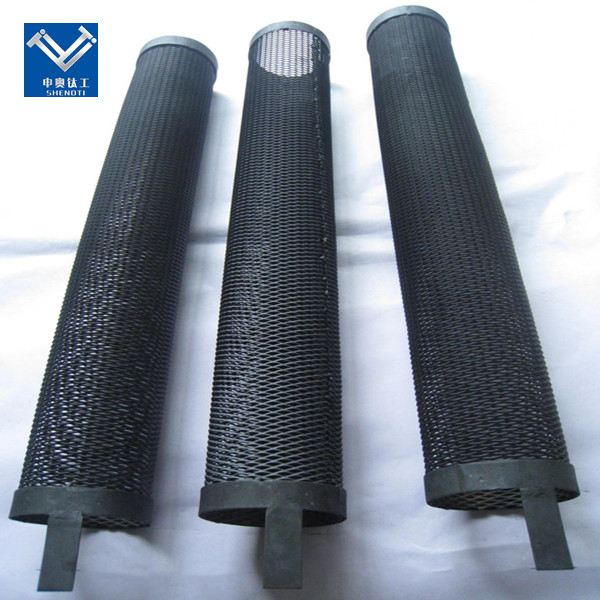
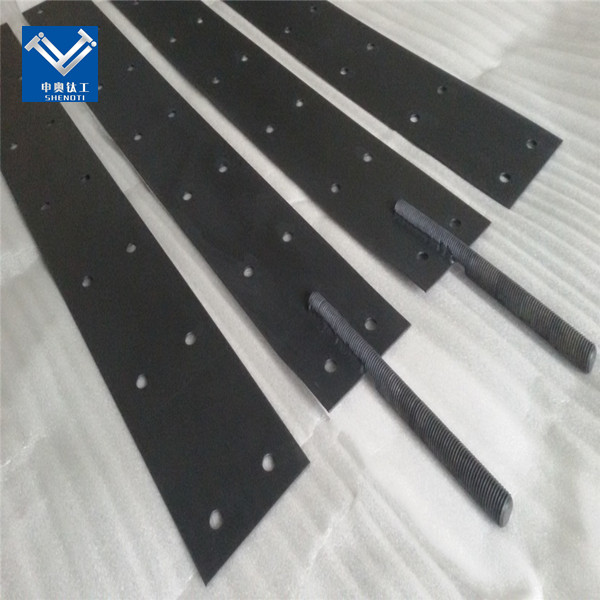
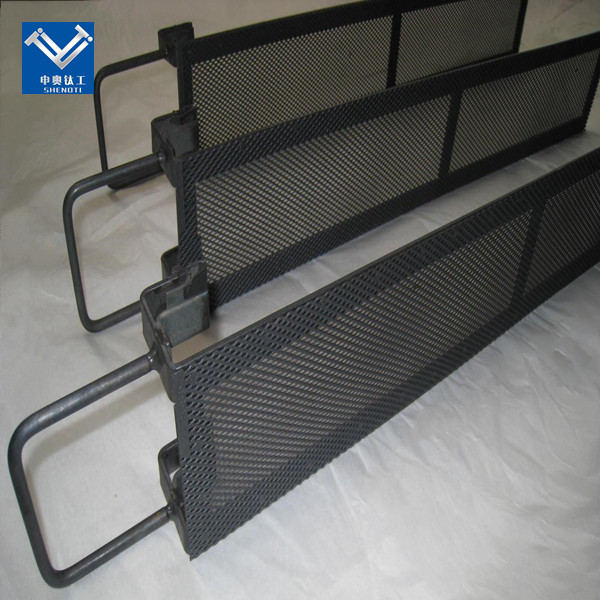
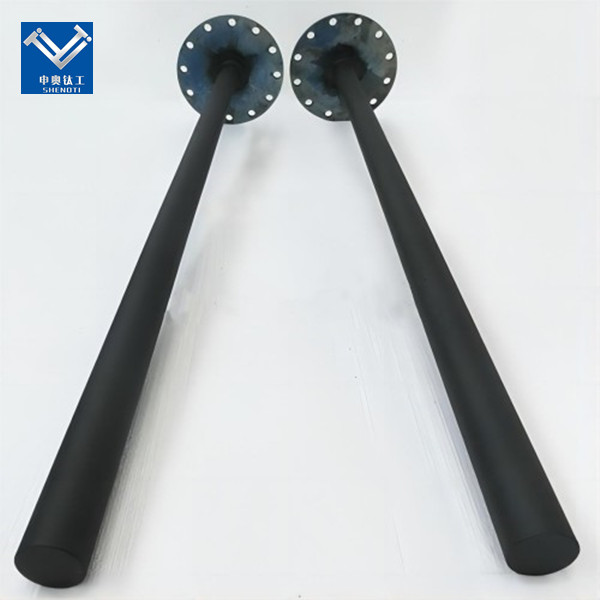
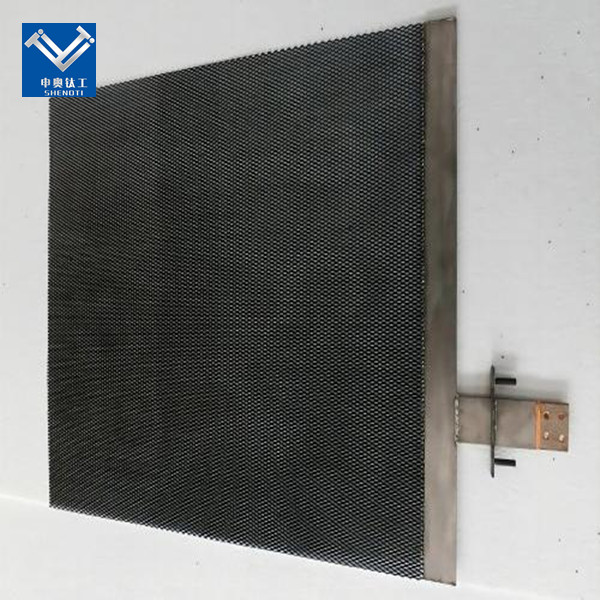
In electrolytic disinfection water treatment systems, the titanium anode is the main component for the sterilization reaction. Its electrochemical performance directly determines the efficiency of available chlorine generation, system energy consumption, and equipment operational stability. With the development of water treatment technology, insoluble electrolytic disinfection titanium anodes with MMO coatings have become the electrode material for sodium hypochlorite generators and electrolytic disinfection equipment.
I. Basic Reaction Principle of Electrolytic Disinfection Systems
Electrolytic disinfection technology typically uses a chlorine-containing electrolyte (such as sodium chloride solution) as the reaction medium. Under the action of direct current, effective chlorine substances with bactericidal capabilities are generated through electrode reactions.
During electrolysis, the titanium anode undergoes an oxidation reaction, and chloride ions release electrons at the anode surface to generate chlorine gas.
The anode reaction is as follows:
2Cl⁻ → Cl₂ + 2e⁻
The generated chlorine gas dissolves in water and undergoes further hydrolysis:
Cl₂ + H₂O → HOCl + HCl
The generated hypochlorous acid (HOCl) has extremely strong oxidizing power and can rapidly destroy bacterial cell structure, achieving water disinfection.
The titanium anode for electrolytic disinfection plays a crucial role in the electrolysis process; its surface catalytic performance determines the oxidation efficiency of chloride ions.
II. Material Structure of Titanium Anodes for Electrolytic Disinfection
Titanium anodes for electrolytic disinfection typically consist of two parts:
1. Titanium Substrate Structure
The substrate of the titanium anode for electrolytic disinfection uses industrially pure titanium material, either TA1 or TA2. Titanium metal has excellent corrosion resistance, is not easily corroded in high-chlorine environments, and possesses good electrical conductivity and mechanical strength.
The titanium substrate mainly serves as a conductive support in the electrolytic reaction and does not participate in the electrochemical reaction.
2. MMO Noble Metal Oxide Coating
The surface of the titanium anode for electrolytic disinfection is coated with an MMO (Mixed Metal Oxide) noble metal oxide coating. Common coating systems include: Ruthenium oxide (RuO₂), Iridium oxide (IrO₂), and Titanium oxide (TiO₂). These oxides form a stable catalytic layer through a high-temperature thermal decomposition process, giving the electrolytically sterilized titanium anode a low chloride evolution overpotential and high current efficiency.
The MMO coating not only improves the electrode's catalytic activity but also significantly extends the service life of the electrolytically sterilized titanium anode.
III. Chloride Evolution Reaction Mechanism of Electrolytically Sterilized Titanium Anodes In the electrolytic sterilization system, chloride ions undergo an adsorption reaction on the surface of the titanium anode used for electrolytic sterilization. Subsequently, under the action of an applied voltage, chloride ions release electrons and form chlorine gas.
The entire process can be divided into three stages:
Stage 1: Chloride Ion Adsorption
Cl⁻ → Cl⁻(ads)
Chloride ions form an adsorption layer on the electrode surface.
Stage 2: Electron Transfer
Cl⁻(ads) → Cl(ads) + e⁻
Chloride ions lose electrons to form active chlorine atoms.
Stage 3: Chlorine Generation
2Cl(ads) → Cl₂↑ Two active chlorine atoms combine to generate chlorine gas, which is released into the solution.
Throughout the process, the MMO coating on the surface of the electrolytically sterilized titanium anode provides catalytically active sites, making the reaction faster and more stable.
IV. Factors Affecting Chlorine Evolution Efficiency of Titanium Anodes for Electrolytic Sterilization
The chlorine evolution efficiency of titanium anodes for electrolytic sterilization is affected by several factors, mainly including the following:
1. Current Density
The higher the current density, the faster the chlorine evolution rate. If the current density is too high, it will accelerate the consumption of the electrode coating, affecting the lifespan of the electrolytically sterilized titanium anode.
Recommended current density range:
500A/m² – 3000A/m²
2. Electrolyte Concentration
The higher the chloride ion concentration, the easier the electrolysis reaction proceeds, and the higher the chlorine evolution efficiency.
In sodium hypochlorite generators, 3%–5% saline solution is commonly used as the electrolyte.
3. Temperature
Increased temperature increases the reaction rate, but excessively high temperatures also accelerate coating wear; therefore, a suitable operating temperature needs to be controlled.
4. Electrode Spacing
Excessive electrode spacing increases system resistance, leading to increased energy consumption. The electrolytic cell design must be appropriately matched to the electrolytic disinfection titanium anode structure.
5. Advantages of Electrolytic Disinfection Titanium Anodes in Water Treatment
Compared to traditional graphite anodes or ordinary metal electrodes, electrolytic disinfection titanium anodes have significant advantages:
High chlorine evolution efficiency
Low power consumption
No electrode contamination
Long service life
Low maintenance costs
Electrolytic disinfection titanium anodes have become the standard electrode material in sodium hypochlorite generators and water treatment electrolytic disinfection equipment.
6. The Importance of the Technical Capabilities of Electrolytic Disinfection Titanium Anode Manufacturers
The performance of electrolytic disinfection titanium anodes depends not only on the material itself but also on the production process. High-quality electrolytic disinfection titanium anode manufacturers typically possess:
Precise precious metal coating formulations
Multi-coating sintering processes
Electrochemical performance testing equipment
Accelerated life testing technology
Through strict process control, stable chlorine evolution efficiency and a long service life can be ensured for electrolytic disinfection titanium anodes.
As a key component in electrolytic disinfection systems, the titanium anode for electrolytic disinfection plays a crucial role, with its chlorine evolution mechanism determining the water treatment disinfection efficiency and equipment operational stability. By rationally selecting MMO-coated titanium anodes for electrolytic disinfection and scientifically choosing the appropriate type based on operating conditions, the performance of the electrolytic disinfection system can be effectively improved, while reducing operating costs.
In practical applications, it is recommended to choose titanium anode manufacturers with mature processes and stable supply capabilities to ensure product quality and long-term effectiveness.


YOU MAY LIKE