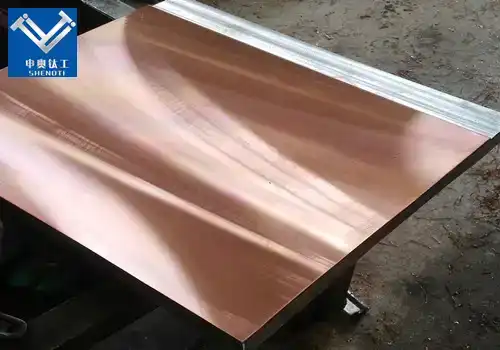
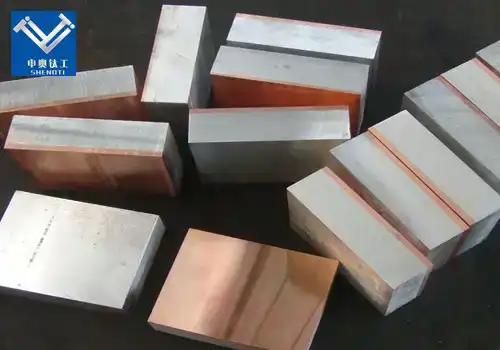
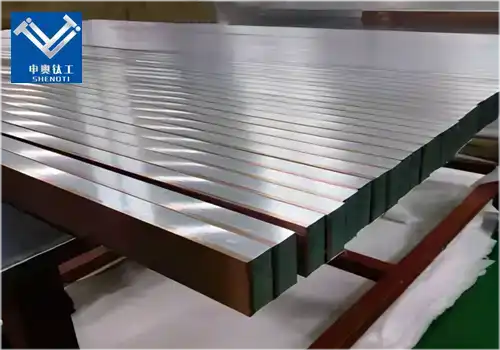
Copper-aluminum clad panels for new energy


Minimum copper content:99.9%
length:1-12 meters
thing:Brass round bar
Product Name:Copper-welded steel grounding rod
surface:polishing
hardness:1/4 hard
Material:99.995% pure copper
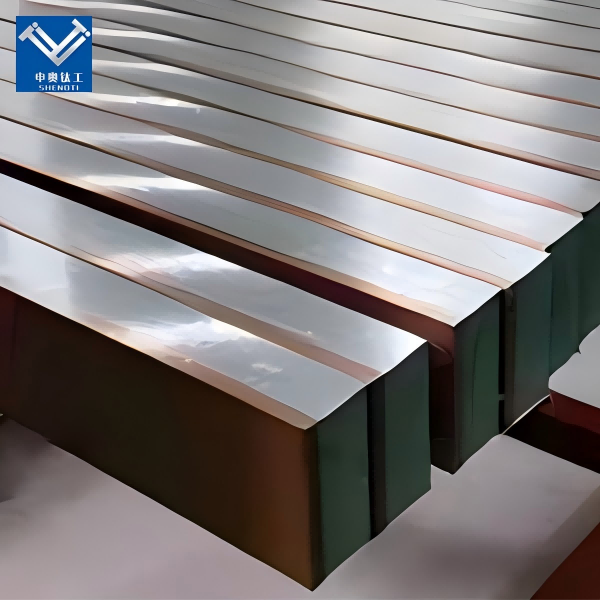
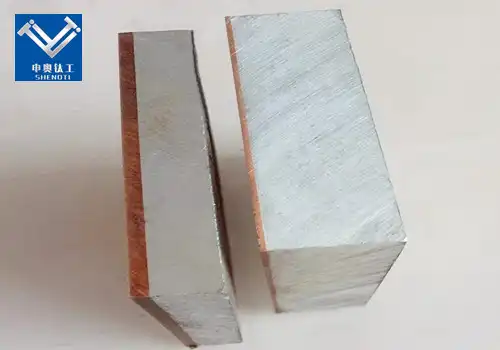
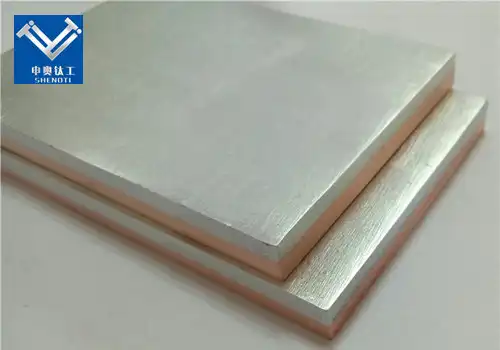
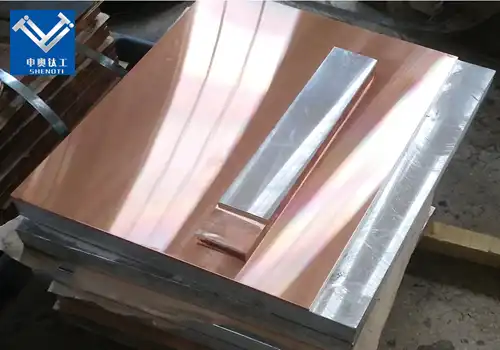
Copper-Aluminum Clad Panels for New Energy
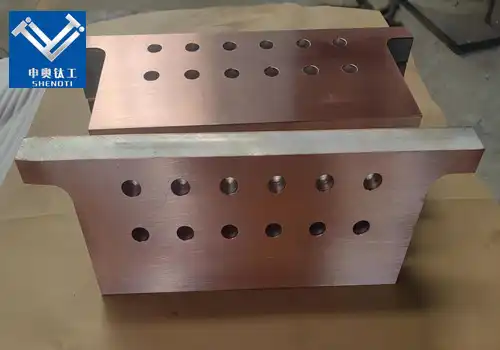
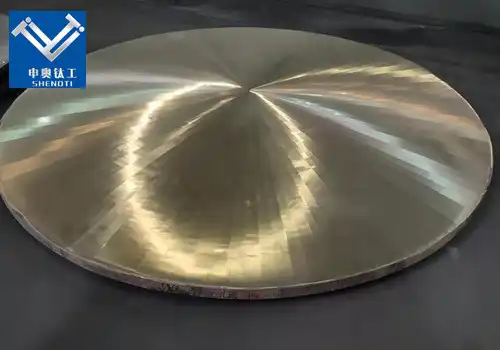
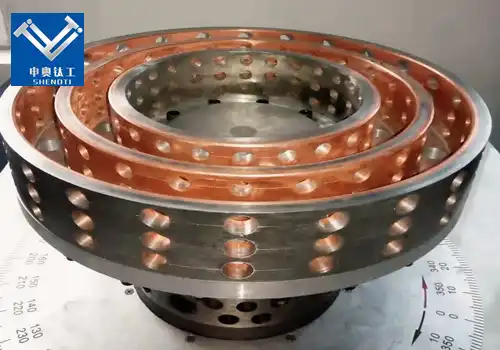
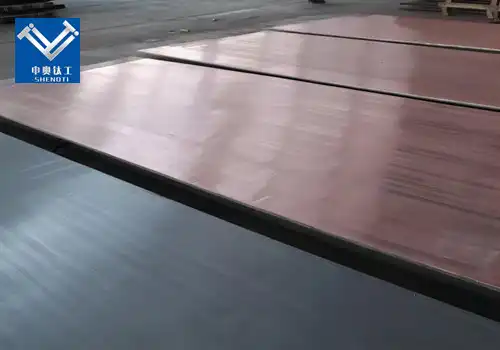
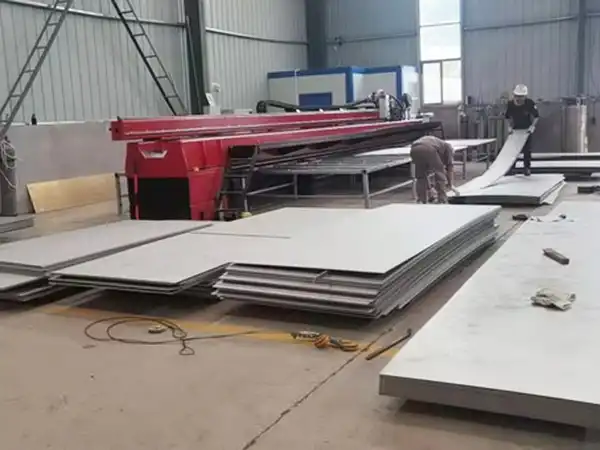
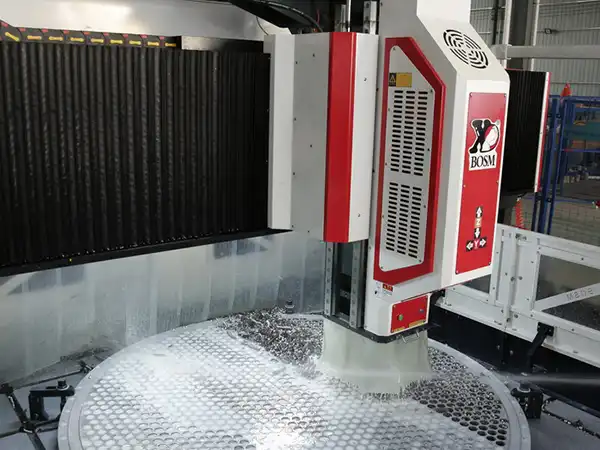
Copper-aluminum clad panels can be manufactured using explosion bonding technology. The process creates a metallurgical bond between the copper and aluminum layers, allowing the composite material to be further cut, leveled, machined, drilled, or fabricated according to the requirements of the final component.
For manufacturers of batteries, energy storage systems, electric vehicles, charging equipment, power conversion equipment, and other new energy products, copper-aluminum clad panels provide an option for customized electrical and structural components.
 |
 |
 |
 |
 |
 |
Key Advantages of Copper-Aluminum Clad Panels
High Electrical Conductivity
Copper provides excellent electrical conductivity and can serve as the main conductive surface in many electrical components.
For new energy equipment, conductive efficiency is important because current-carrying components can affect system performance and thermal management.
Copper-aluminum clad construction allows copper to be positioned where conductivity is most important instead of using solid copper throughout the entire component.
Reduced Weight
Aluminum has a much lower density than copper.
Replacing part of a solid copper component with aluminum can reduce the weight of the finished component.
This can be useful for electric vehicles, battery systems, energy storage equipment, and other applications where weight reduction is an important design objective.
Efficient Use of Copper
Copper is valuable and relatively heavy.
Using a copper layer only where its properties are required can help reduce total copper consumption.
The aluminum layer can provide additional thickness and structural support where full copper construction is not necessary.
This creates a more efficient bimetallic material structure for selected applications.
 |
 |
 |
 |
 |
 |
 |
Technical Specifications
|
Parameter
|
Specification
|
|
Thickness
|
10mm (customizable)
|
|
Copper Material
|
T2 pure copper (≥99.9%)
|
|
Aluminum Material
|
1060/1070 grade
|
|
Bonding Rate
|
≥98% (ultrasonic verified)
|
|
Tensile Strength
|
≥100MPa
|
|
Copper Conductivity
|
≥97% IACS
|
|
Aluminum Conductivity
|
≥61% IACS
|
|
Operating Temperature
|
Up to 300°C
|
|
Length Options
|
1-12 meters
|
|
Surface Finish
|
Polished, custom treatments available
|
|
Hardness
|
1/4 hard (adjustable)
|
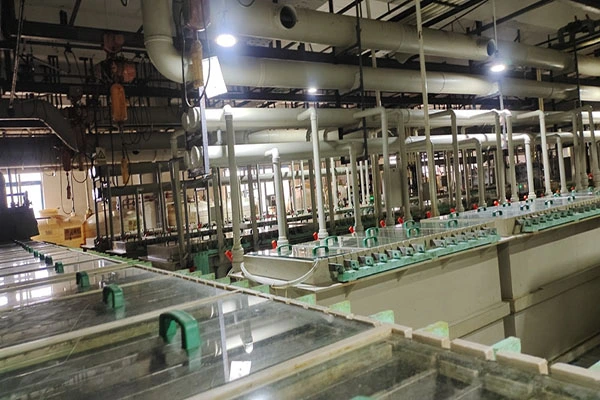
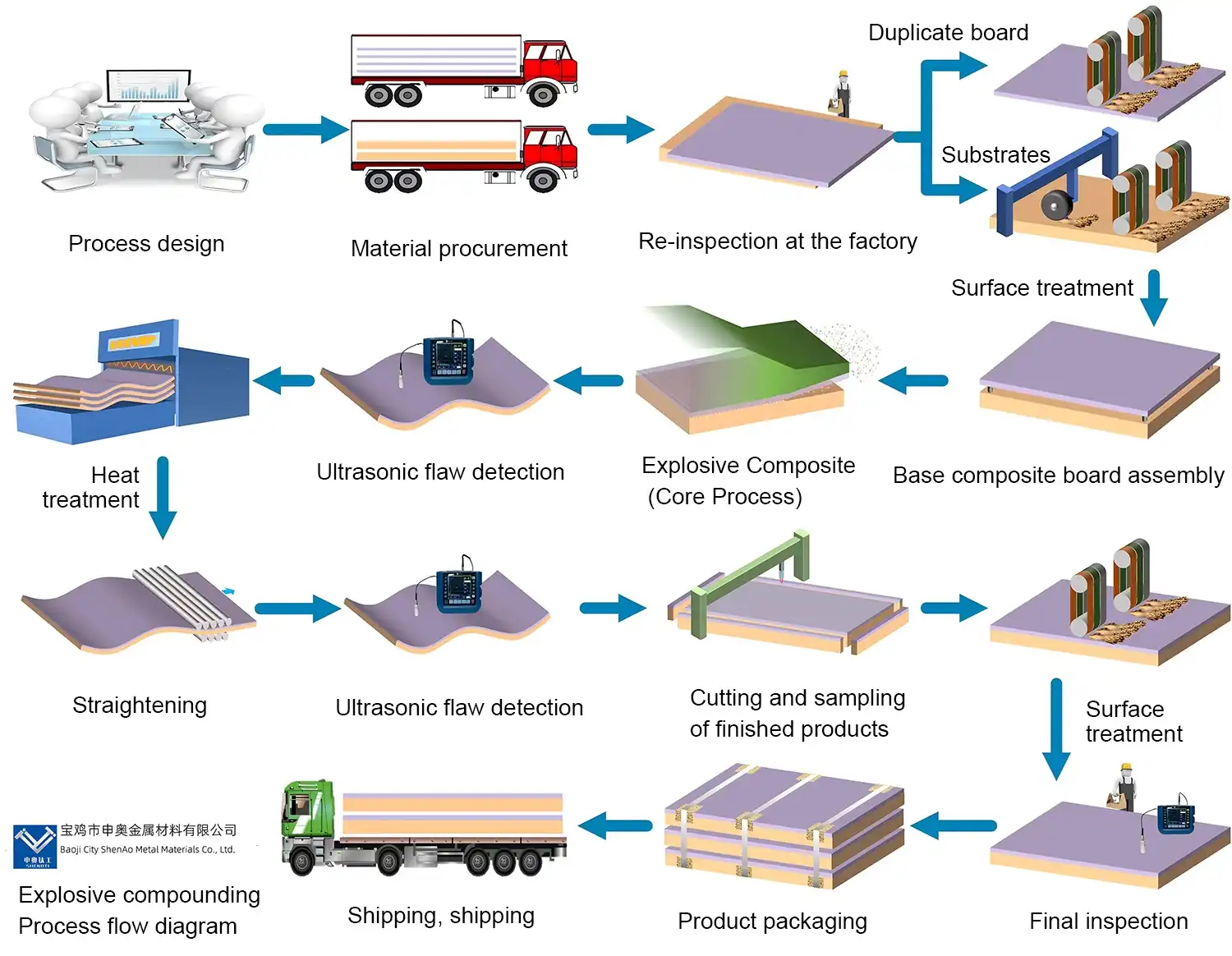
Product production process
Why Choose Our Copper Aluminum Transition Plates?
Advanced Manufacturing Technology
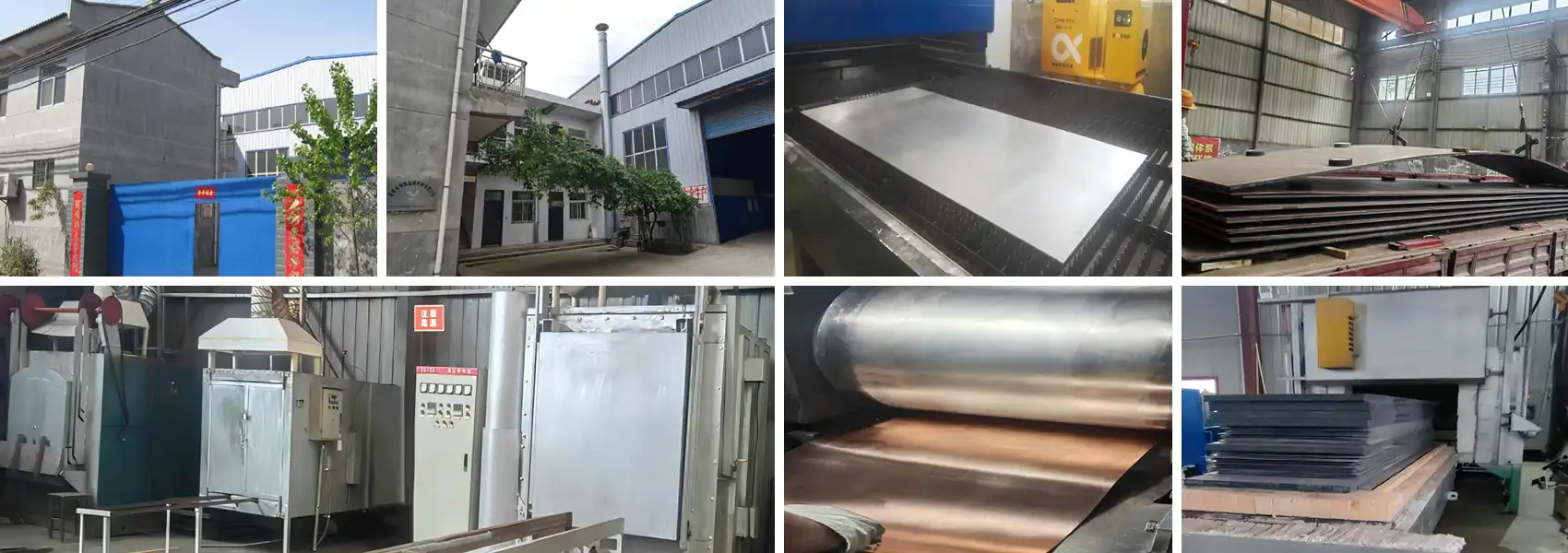
We utilize develop bimetallic dangerous welding forms to make molecular-level bonds between T2 copper and 1060/1070 aluminum. This isn't fair surface connection. The wavy interface structure guarantees your plates won't delaminate amid penetrating or twisting operations.
You get items that withstand working temperatures up to 300°C. The bond quality really surpasses the parent aluminum fabric itself.
Precision Designing for High-Power Applications
Our 10mm thickness determination gives the warm mass you require for surge current taking care of. Whether you're interfacing aluminum busbars to copper terminals in transformers or overseeing gigantic current densities in electrolytic purifying plants, these plates deliver.
The standard fabric proportion equalizations cost-efficiency with execution. Generally 30% copper gives amazing conductivity at association focuses, whereas 70% aluminum keeps weight and cost manageable.
Customization That Matches Your Requirements
Every venture has interesting requests. We offer customized copper-to-aluminum proportions, custom measurements from 1-12 meters, and specialized surface medicines counting cleaning and discretionary tin-plating for coastal environments.
Need particular penetrating designs? Our CNC machining capabilities guarantee exactness gap arrangement without compromising the move zone integrity.
Uncompromising Quality Control
We understand that interface failure isn't an option in your electrical systems. That's why every 10mm copper aluminum transition plate undergoes rigorous testing:
Ultrasonic Flaw Detection
100% of the holding interface is filtered to guarantee total metallurgical combination with no covered up voids.
Mechanical Push Testing
180-degree twist tests affirm the bimetal layer keeps up keenness beneath extraordinary flexing. Your establishments confront mechanical push amid gathering and operation—our items are demonstrated to handle it.
Electrical Execution Verification
Micro-ohm meters degree interface resistance to guarantee the move zone performs way better than parent aluminum. You get steady conductivity over the whole connection.
Corrosion Resistance Validation
Salt shower testing surpasses 96 hours to reenact decades of introduction. This things when your gear works in mechanical or coastal environments.
Shear Strength Confirmation
Bond testing guarantees mechanical torque amid jolt establishment won't compromise the association. We give Process Test Certificates referencing ASTM B829 and GB/T 19001 benchmarks with each order.
Our Competitive Advantages
17 A long time of Fabricating Excellence
Since 2008, we've refined our dangerous welding forms. You advantage from collected ability that interprets into reliable quality and solid delivery.
Strategic Location in China's Titanium Valley
Our office in Baoji High-tech Mechanical Advancement Zone gives coordinate get to to premium crude materials and specialized fabricating framework. This implies competitive estimating without compromising quality.
Flexible Generation Capacity
Whether you require little bunch testing or large-scale generation runs, we keep up stock of standard sizes and offer 2-4 week lead times for custom specifications.
Customer-Centric Service
We've built organizations with hundreds of gear producers and electrochemical endeavors. Our specialized group works straightforwardly with you to indicate the right copper-aluminum proportion and measurements for your application.
 |
 |
 |
 |
 |
 |
 |
 |
 |
Application Industries
 |
 |
 |
 |
 |
 |
 |
 |
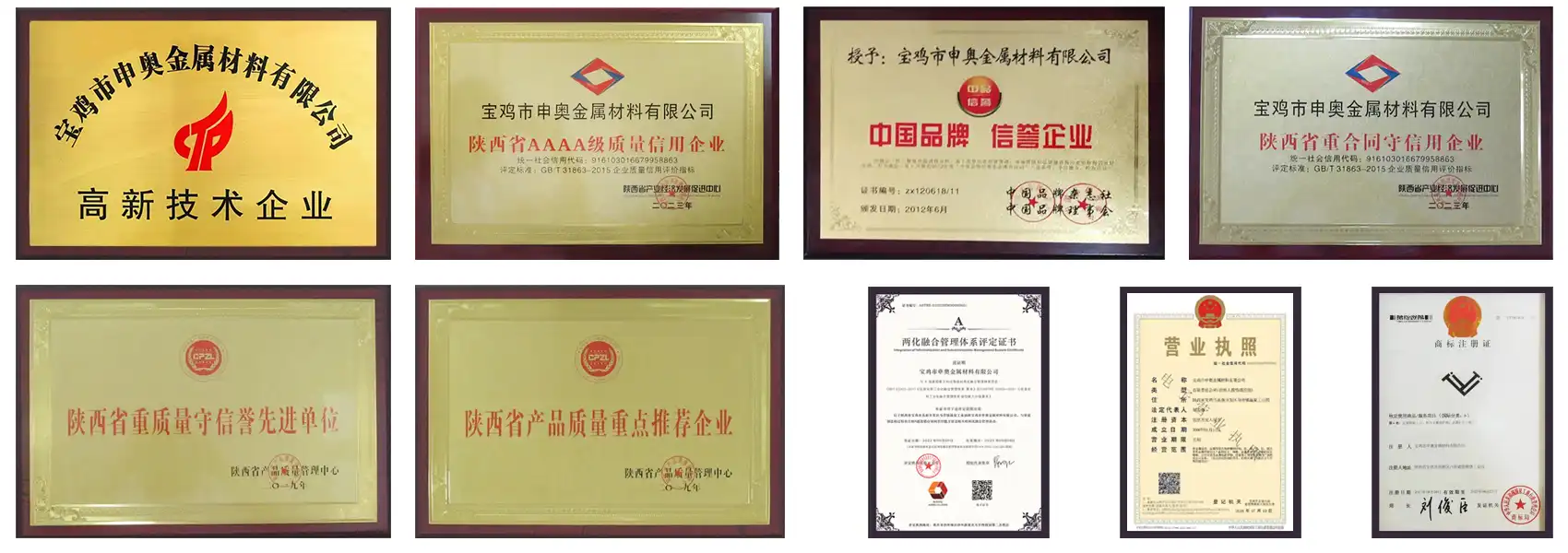
Our Patents and Honors

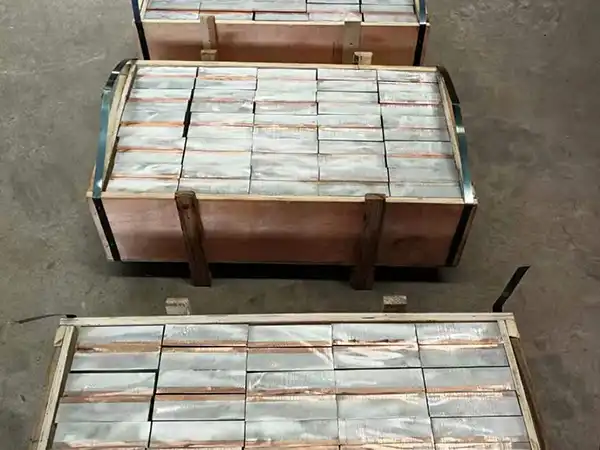
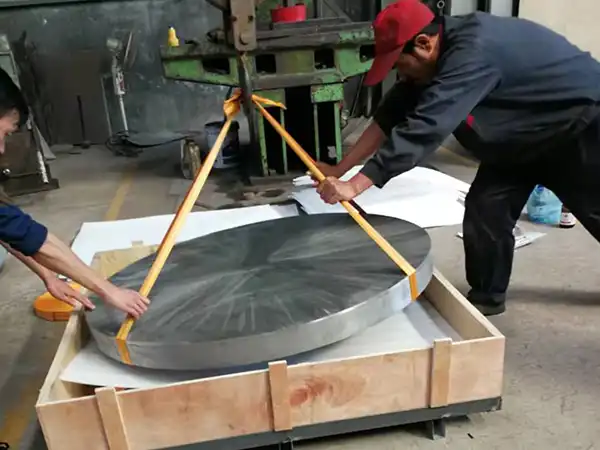
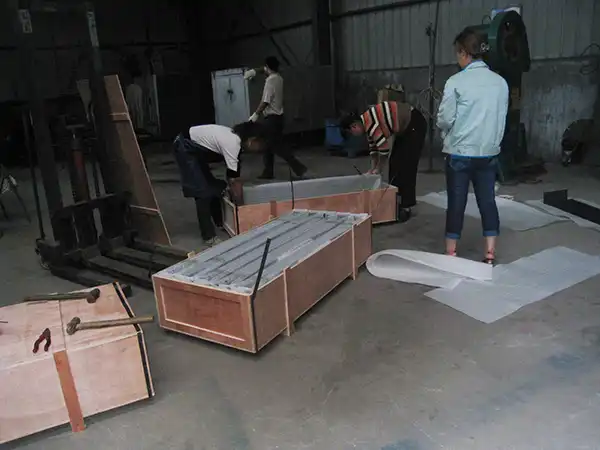
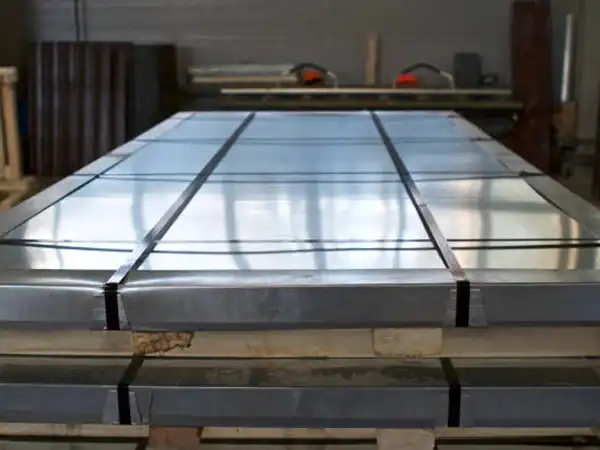
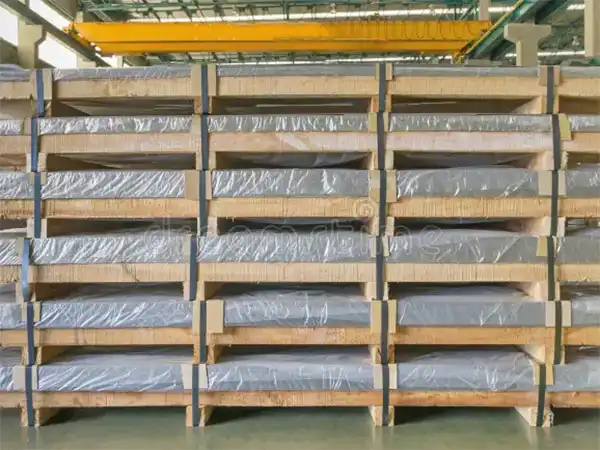
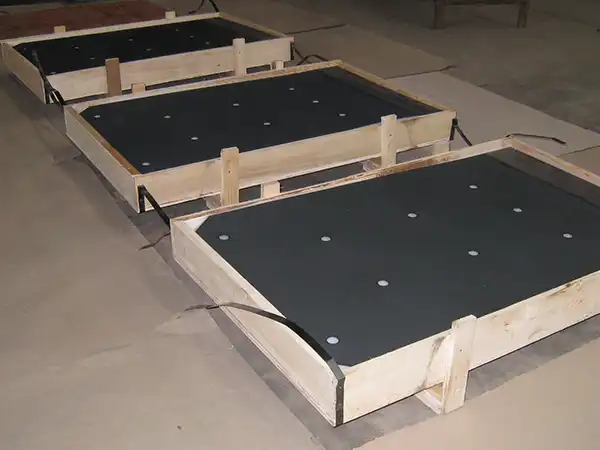
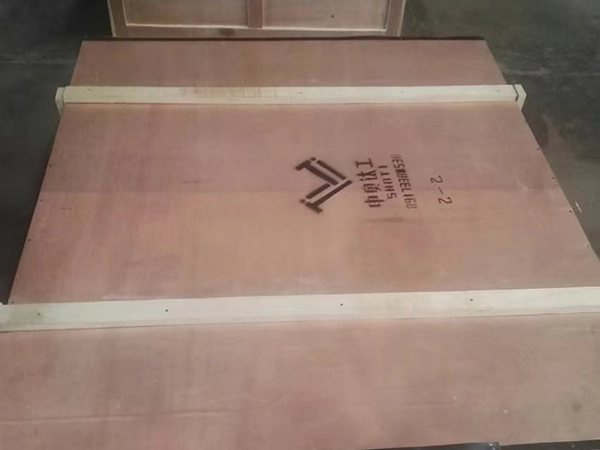
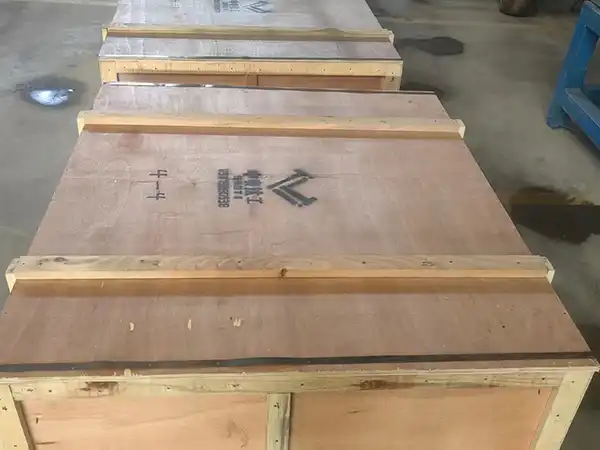
 Our Packaging
 |
 |
 |
 |
 |
 |
 |
 |
 |
 |
Frequently Asked Questions
What are copper-aluminum clad panels?
Copper-aluminum clad panels are bimetallic composite panels that combine copper and aluminum through a bonding process. They are designed to use the electrical and thermal properties of copper together with the lightweight characteristics of aluminum.
Why are copper-aluminum clad panels used in new energy equipment?
They can help combine electrical conductivity, reduced weight, and efficient copper usage in selected new energy components. Applications may include battery systems, energy storage equipment, electric vehicles, charging equipment, and power electronics.
How are copper and aluminum bonded together?
One manufacturing method is explosion bonding. Controlled explosive energy creates a high-speed impact between the two metals, forming a metallurgical bond at the interface.
Can copper-aluminum clad panels be customized?
Yes. Material grades, layer thicknesses, panel dimensions, machining features, surface requirements, and inspection standards can be customized according to the application.
Can the panels be machined after bonding?
Yes. Depending on the material combination and final design, the clad panels can be cut, drilled, milled, machined, and processed into customized components.
How is the copper-aluminum bonding quality tested?
Depending on project requirements, testing can include ultrasonic testing, shear strength testing, metallographic examination, dimensional inspection, and surface inspection.
What information is required for a quotation?
Customers can provide copper and aluminum grades, copper thickness, aluminum thickness, panel dimensions, quantity, application, technical drawings, machining requirements, and inspection standards.
Contact Us
Ready to solve your copper-aluminum connection challenges with copper aluminum transition plate? Contact us at zh@baojiti.com.cnfor technical specifications, custom quotes, and sample requests today.
YOU MAY LIKE