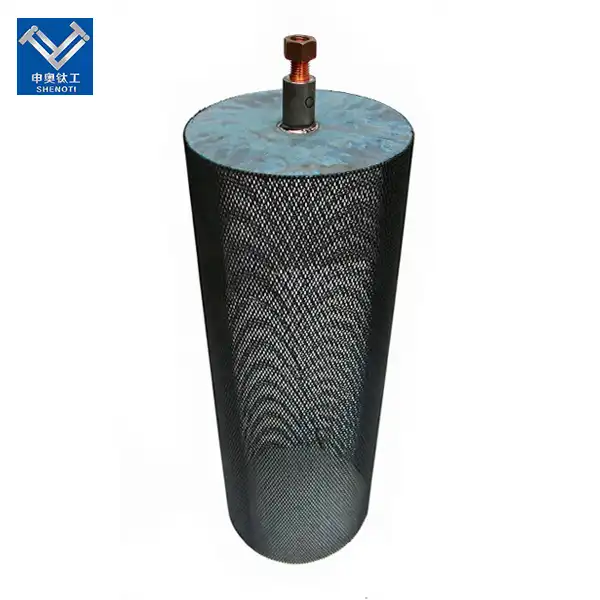
Ruthenium-Iridium Titanium Anode


Coating: Ruthenium-Iridium Mixed Metal Oxide (Ru-Ir MMO)
Coating Structure: Dense and highly conductive catalytic layer
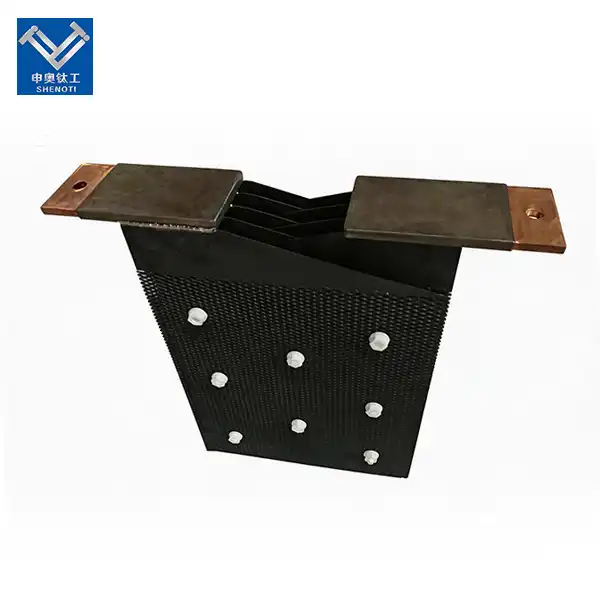
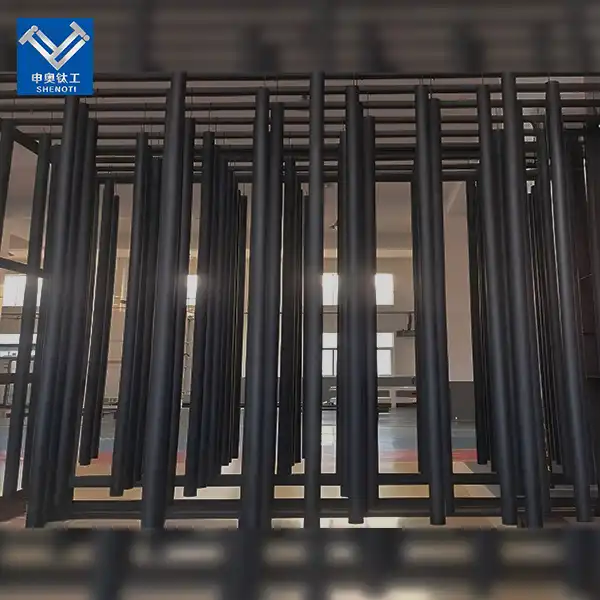
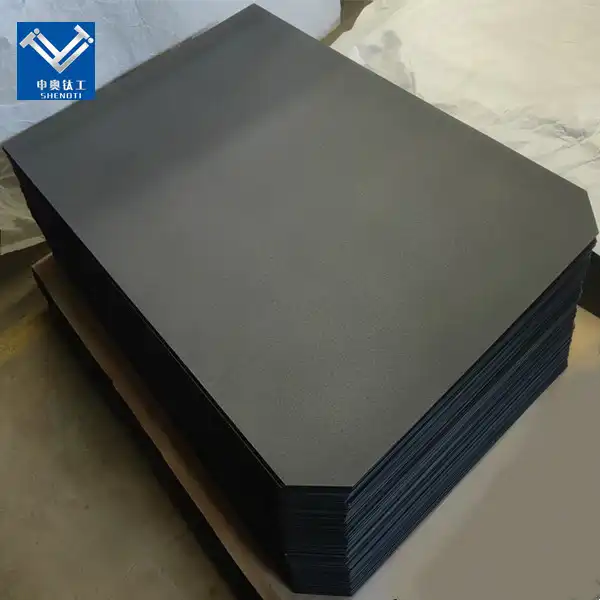
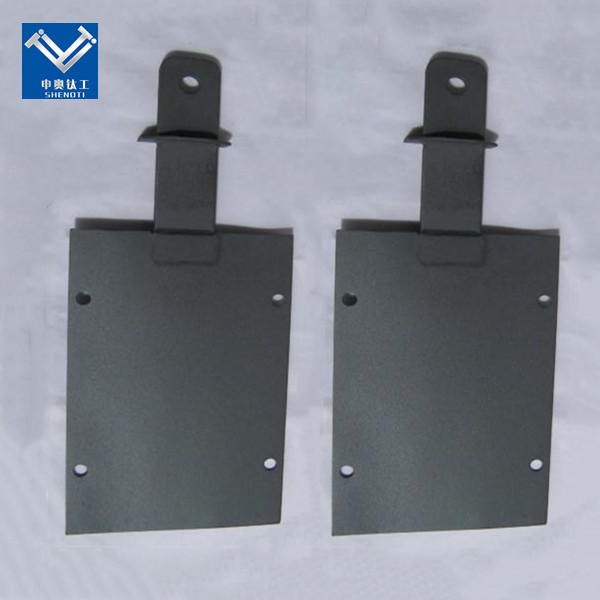
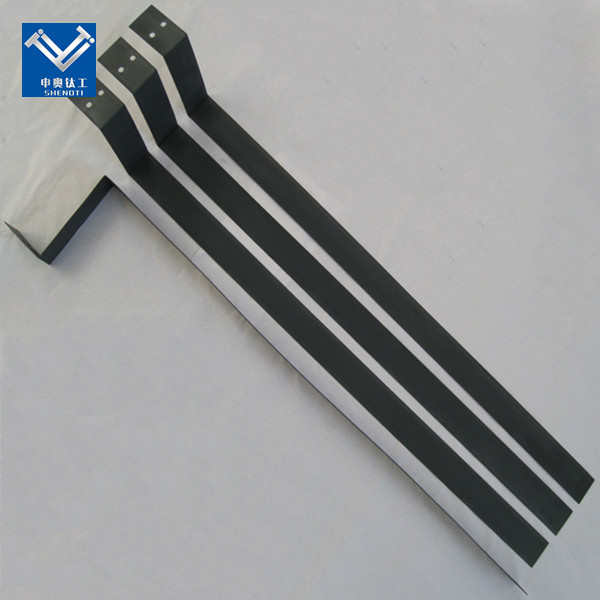
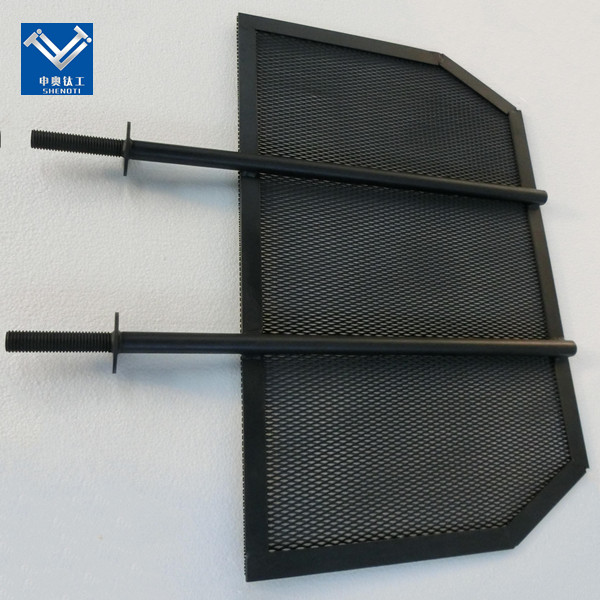
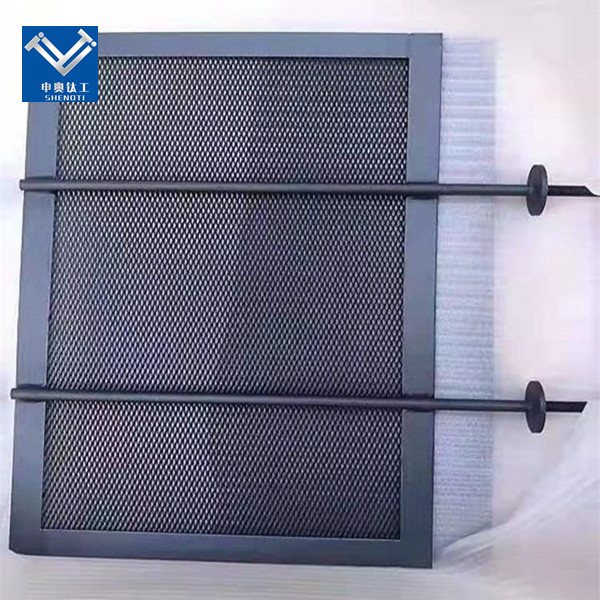
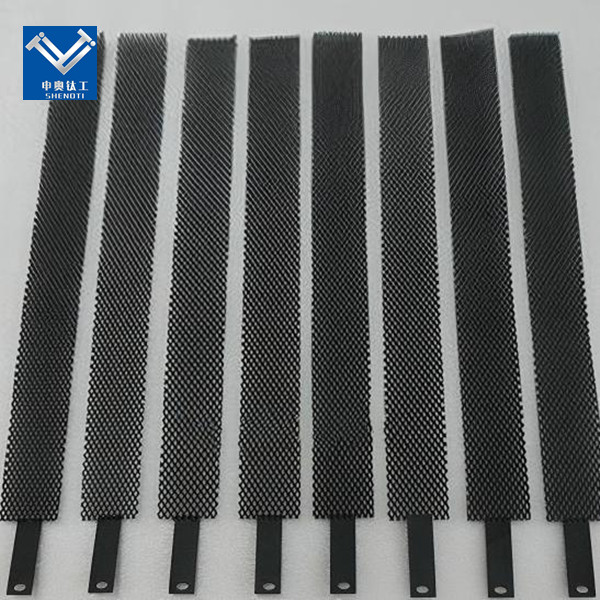
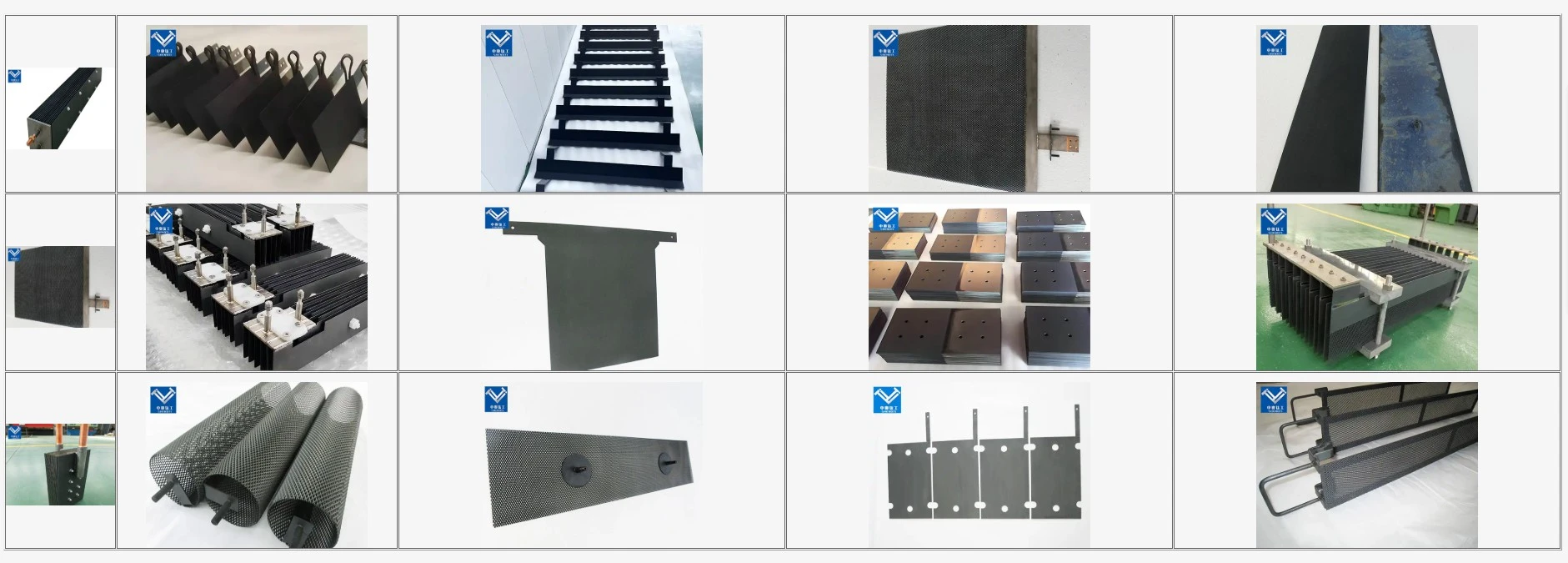
Shape Options: Plate, Mesh, Tube, Rod, Custom
Expected Lifespan: Suitable for long-term electrochemical operation, maintaining stable performance under alternating chlorine and oxygen evolution conditions
Key Advantage: Synergistic Ru-Ir composition balances chlorine and oxygen evolution potentials, delivering both high activity and selectivity in chlor-alkali electrolysis and mixed-ion systems while minimizing energy consumption fluctuations
Ruthenium-Iridium Titanium Anode
In electrochemical processes involving both chlorine and oxygen evolution, whether an anode can strike a balance between low energy consumption and long service life often directly impacts a production line's operational efficiency. Our Ruthenium-Iridium Titanium Anode at Baoji City ShenAo Metal Materials Co., Ltd. is engineered around this central question. It uses Grade 1 or Grade 2 pure titanium as the substrate, with a ruthenium-iridium binary or multi-component mixed metal oxide catalytic layer on the surface. The ruthenium component ensures excellent chlorine evolution activity in chloride-containing media, while the introduction of iridium enhances the coating's structural stability under oxygen evolution conditions. By adjusting the ratio of these two components, this anode provides a reliable solution that balances energy efficiency and durability across diverse applications including chlor-alkali production, seawater electrolysis, industrial wastewater treatment, electroplating, and hydrometallurgy.
Why Choose Our Titanium Anodes?
- Synergistic Design of Chlorine and Oxygen Evolution Activity
The ruthenium component enables the coating to efficiently generate active chlorine at a very low overpotential in chloride-containing environments, while the iridium addition addresses the durability limitations of pure ruthenium coatings under oxygen evolution conditions. This synergistic formulation means that even if your electrolyte composition varies between batches or process parameters are temporarily adjusted, the coating maintains a stable consumption rate under normal operating conditions. - Lower Operating Cell Voltage
Thanks to the high conductivity and low reaction overpotential of the ruthenium-based coating, the cell voltage of ruthenium-iridium titanium anodes at the same current density is typically lower than that of pure iridium-based anodes. For industrial electrolysis lines operating continuously year-round, the cumulative electricity cost savings from this voltage difference can be substantial, contributing to reduced overall production costs per unit. - Versatile Form Customization
We can supply anodes in plate, expanded mesh, woven mesh, tubular, rod, and other configurations to suit your electrolyzer design. Whether your setup requires flat plate anodes for filter-press cells, suspended mesh panels for open tanks, or tubular electrodes for shell-and-tube reactors, a compatible structural design is available. - Established Recoating Service
When the ruthenium-iridium coating reaches the end of its service life, the titanium substrate typically retains good structural integrity. We offer professional substrate inspection, old coating removal, and recoating services to restore your anodes to their original performance. This remanufacturing approach can yield meaningful long-term savings compared to purchasing new anodes.
Technical Specifications
|
Substrate Material |
Grade 1/2 Pure Titanium |
|
Coating Type |
Ruthenium-Iridium Mixed Metal Oxide (RuO₂-IrO₂), with optional optimization via tantalum, tin, and other elements |
|
Coating Thickness |
5–20 μm (adjusted based on current density and operating environment) |
|
Coating Loading |
10–200 g/m² (customized for rated current density) |
|
Current Density Range |
100–5,000 A/m² (adjusted based on application type) |
|
Operating Voltage Window |
0.5 V–2.5 V (typical electrochemical range) |
|
Applicable Media |
Chloride solutions, seawater, acidic electrolytes, electroplating solutions, mixed salt solutions |
Real-World Applications
- Chlor-Alkali and Sodium Hypochlorite Production: Used in brine electrolysis for chlorine and caustic soda production, and as anode assemblies in sodium hypochlorite generators, achieving energy-efficient operation through low chlorine evolution overpotential.
- Direct Seawater and Brine Electrolysis: Applied in seawater electrolysis for chlorine generation, ship ballast water treatment, and coastal power plant cooling water chlorination for antifouling, reliably generating active chlorine in chloride-containing water.
- Electroplating and Surface Treatment: On production lines requiring insoluble anodes such as zinc plating, chromium plating, nickel plating, precious metal plating, and anodizing, providing uniform current distribution and long-term dimensional stability.
- Industrial Wastewater Treatment: Used in electrolytic treatment of industrial wastewater containing chlorides, cyanides, and organic pollutants, achieving pollutant degradation through anodic active chlorine generation or direct oxidation.
- Hydrometallurgy and Metal Recovery: In the electrowinning of copper, nickel, zinc, and other metals, replacing traditional lead anodes to avoid lead dissolution and cathode product contamination.
The ShenAo Advantage
17 A long time of Fabricating Excellence
Since 2008, we've specialized in valuable metal coated titanium anodes from our office in Baoji's "China Titanium Valley." Our develop bimetallic hazardous welding innovation and progressed coating forms provide items you can trust.
Customization for Your Correct Needs
Every generation line is diverse. We give custom fitted arrangements coordinating your particular current thickness necessities, electrolyte composition, and operational parameters. Whether you require little bunch testing or full-scale generation amounts, we convey on time.
Cost-Effective Lifecycle Management
When coating exhaustion happens, you do not dispose of the whole anode. Our proficient recoating benefit strips the ancient oxide layer, sandblasts the substrate, and reapplies new MMO coating. This expands resource life and decreases your add up to taken a toll of proprietorship considerably.

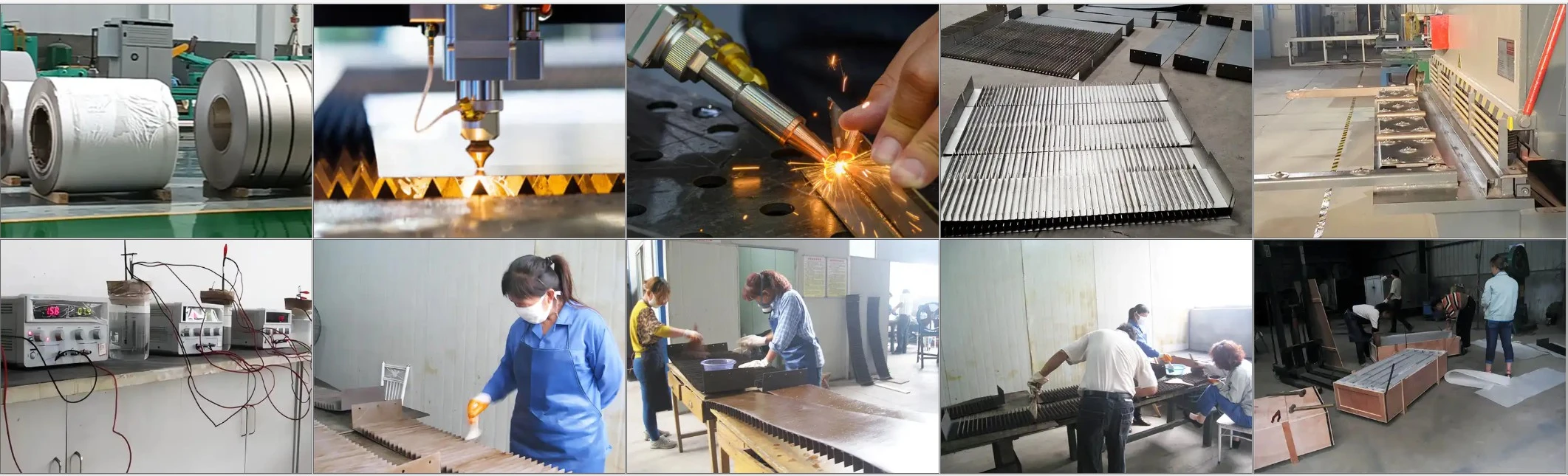
Product production process
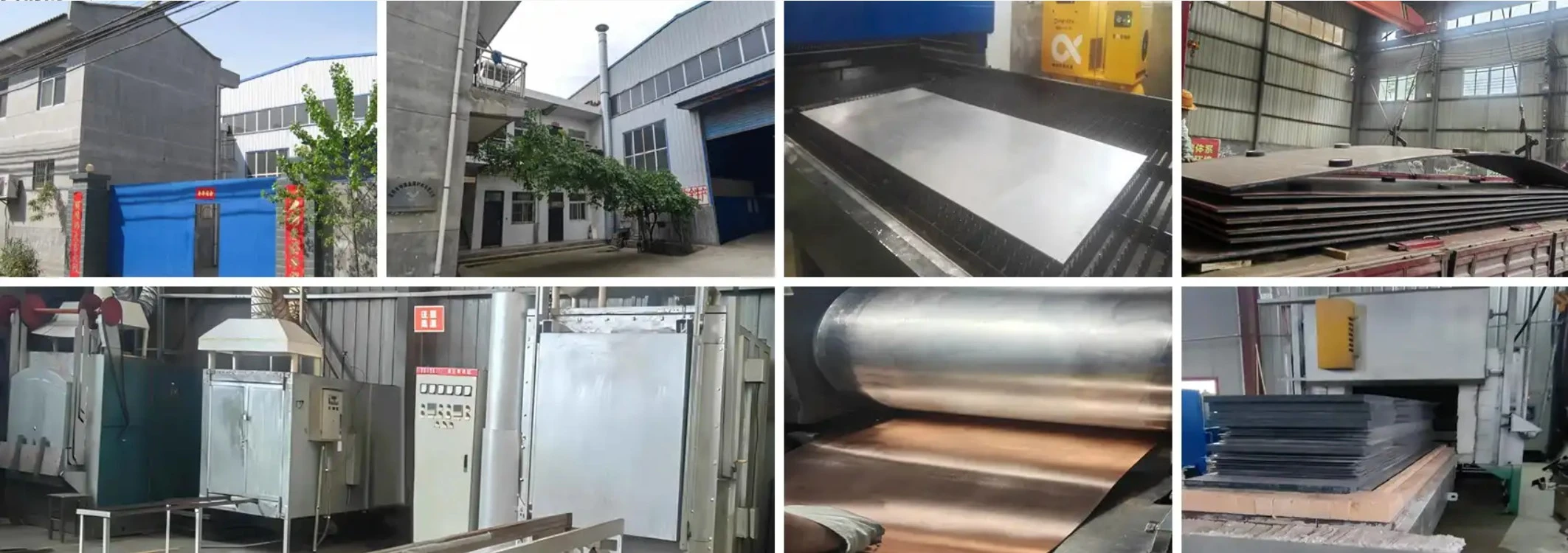
Our Factory
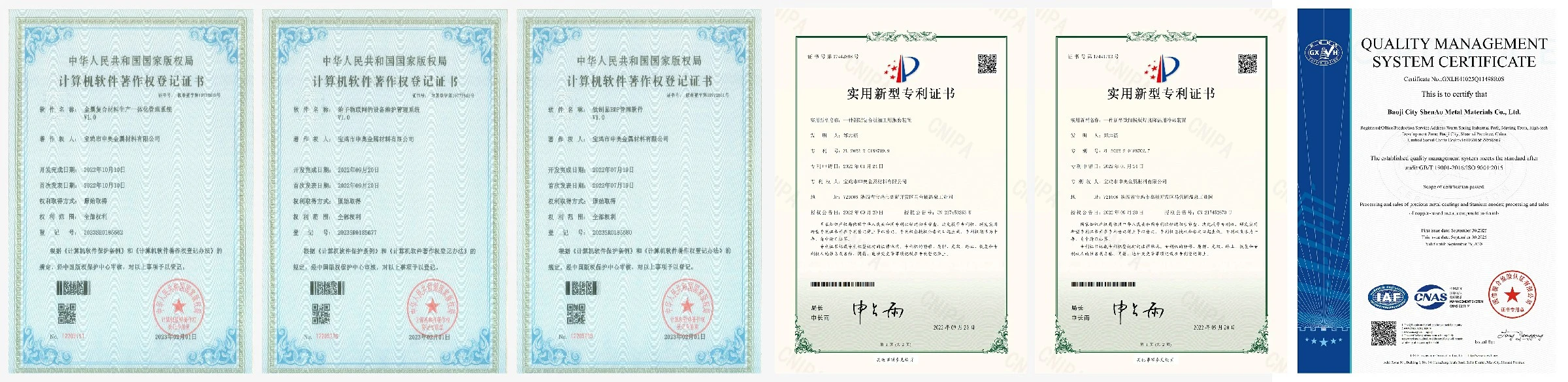
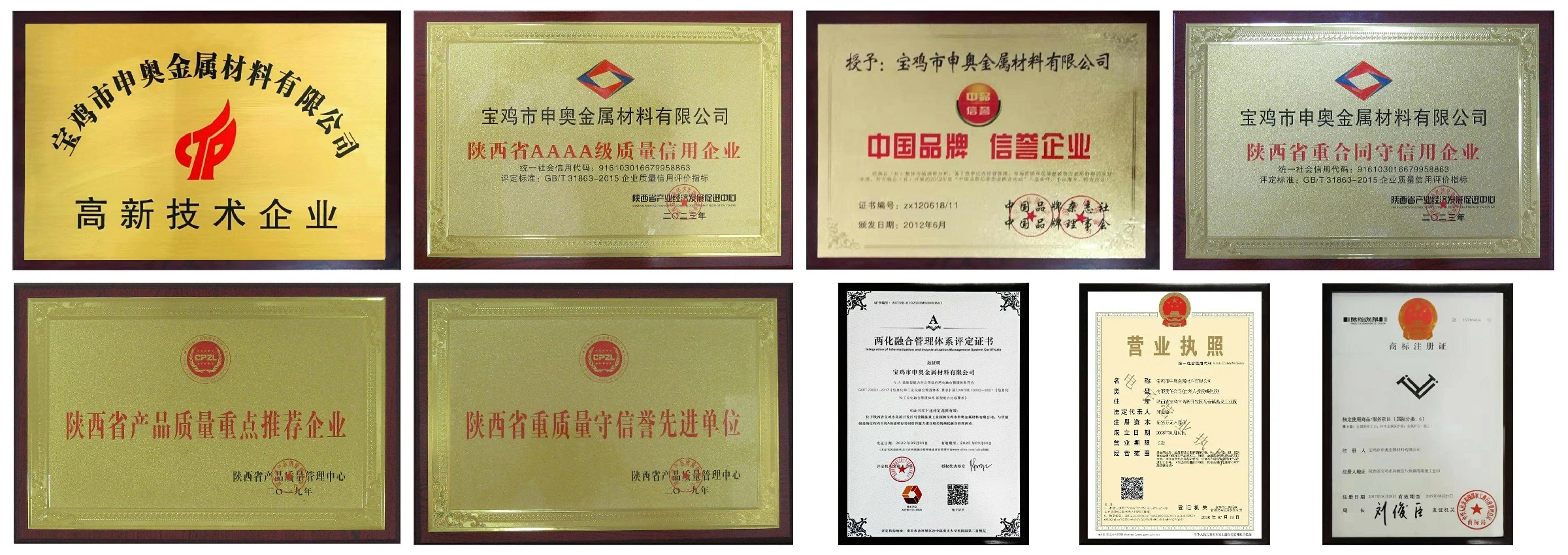
Our Patents and Honors
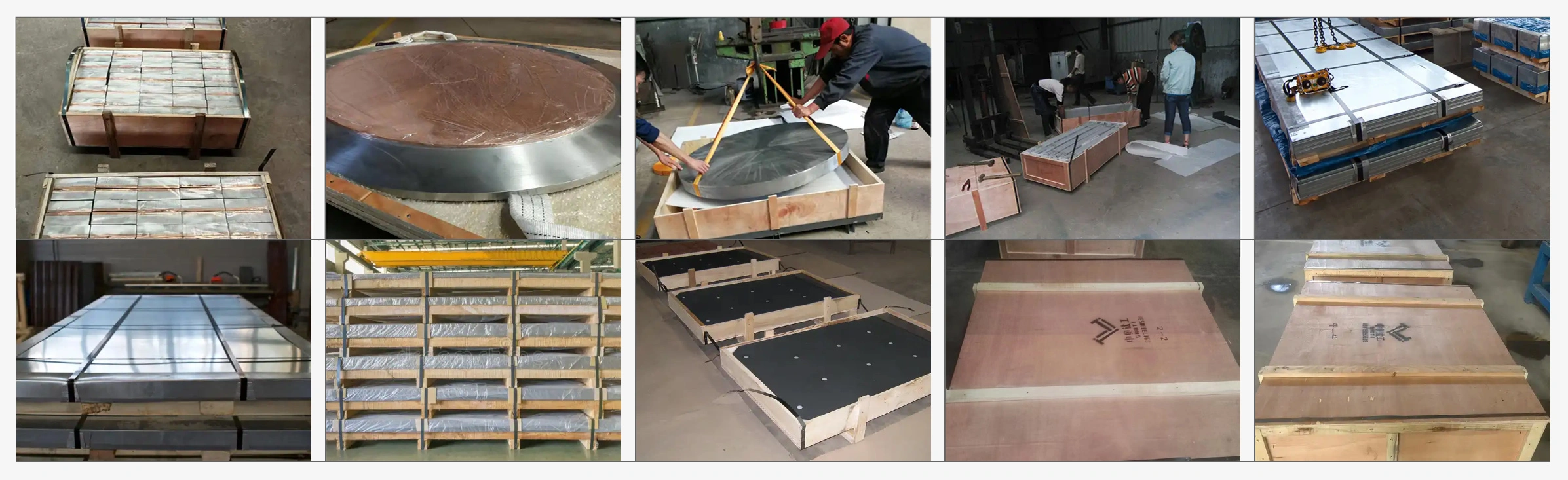
Our Packaging
Frequently Asked Questions
Q: What is the core difference between ruthenium-iridium titanium anodes and pure ruthenium or pure iridium coated anodes?
A: Pure ruthenium coatings offer very high chlorine evolution activity but consume relatively quickly in environments where oxygen evolution occurs. Pure iridium coatings provide good oxygen evolution durability but have a slightly higher chlorine evolution overpotential, and iridium is expensive. Ruthenium-iridium composite coatings, by adjusting the ratio of the two components, achieve a more practical balance between activity and lifespan in most real-world operating conditions, representing a solution that considers both performance and cost.
Q: How is the ruthenium-to-iridium ratio in the coating determined for my process conditions?
A: This depends on the chloride ion concentration in your electrolyte and the actual oxygen evolution proportion. In scenarios with high chloride content and minimal oxygen evolution (such as saturated brine electrolysis), a higher ruthenium ratio can be used to pursue lower cell voltage. In scenarios with a higher oxygen evolution proportion (such as dilute brine or seawater electrolysis), the iridium content should be increased to ensure coating lifespan. You can provide your electrolyte composition and operating parameters, and our engineers will offer a ratio recommendation.
Q: Are ruthenium-iridium titanium anodes suitable for environments containing fluoride ions?
A: This requires careful evaluation. Fluoride ions cause pitting corrosion on the titanium substrate and also attack the coating itself. If the fluoride ion concentration in your electrolyte exceeds 10 ppm, we recommend consulting with us, as a niobium substrate or a specially formulated coating solution may be needed. It is important to inform us of fluoride and other impurity levels during the selection stage.
Q: What causes the cell voltage to gradually increase after the anode has been in use for some time?
A: A gradual increase in cell voltage is a normal indication of coating consumption. However, if the rate of increase accelerates noticeably, possible causes include: excessively high localized current density, the presence of impurities in the electrolyte that poison the coating (such as certain organic complexing agents or sulfides), or surface scaling reducing the effective anode area. We recommend recording cell voltage trends and periodically inspecting the anode surface condition.
Q: Can used anodes be recoated, and what is the process?
A: Yes. Our recoating process includes: incoming inspection of used anodes → substrate appearance and dimensional inspection → chemical stripping of old coating → substrate blasting or pickling treatment → new coating application → performance testing → shipment. A recoating cycle can yield meaningful overall cost savings. We recommend planning ahead as the anode approaches the end of its service life to avoid unplanned production line downtime.
Contact Us
You need a partner who not only supplies products but also solves your challenges alongside you. Our team is ready to engage with your inquiries and provide a tailored solution. Share your specific needs or key requirements with us today, and let us help you efficiently transform your breakthroughs into commercial value.
Titanium Anode Manufacturer
Email: zh@baojiti.com.cn
WhatsApp: +86-15877696471 (updated)
Products: Titanium Anodes, MMO Titanium Anodes, DSA Coated Titanium Electrodes, Electrolysis Electrodes, Hydrogen Production Electrodes, Wastewater Treatment Titanium Anodes.
YOU MAY LIKE