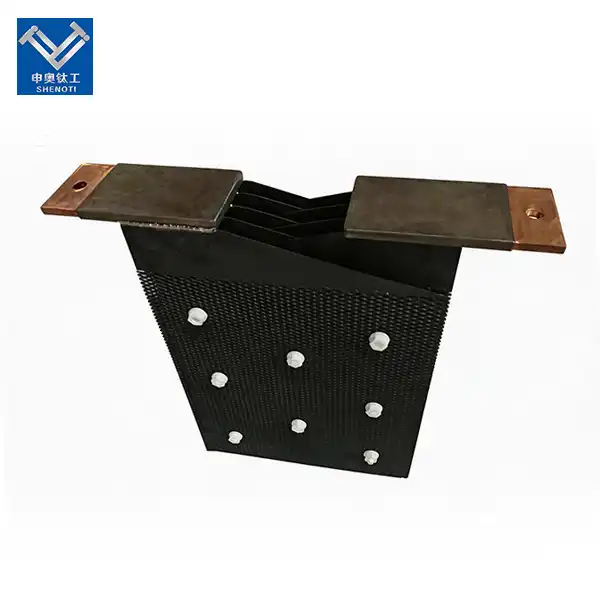
Ruthenium-Iridium Anode


Ruthenium-Iridium Anode
In environments where both chlorine and oxygen evolution occur simultaneously, a single-component coating often struggles to balance activity and longevity. Our Ruthenium-Iridium Anode at Baoji City ShenAo Metal Materials Co., Ltd. is designed precisely to strike this balance. It uses Grade 1 or Grade 2 pure titanium as the substrate, with a binary or multi-component ruthenium-iridium mixed metal oxide catalytic layer on the surface. Ruthenium delivers excellent chlorine evolution catalytic activity, while the addition of iridium significantly enhances the coating's stability under oxygen evolution conditions. This synergistic effect allows the ruthenium-iridium anode to deliver both the energy efficiency benefits of low operating potential and the durability required for long-term operation across chlor-alkali production, seawater electrolysis, electroplating, and wastewater treatment applications.
Why Choose Our Titanium Anodes?
- Synergistic Balance of Chlorine and Oxygen Evolution Activity
The incorporation of ruthenium gives the coating a very low chlorine evolution overpotential, enabling efficient active chlorine generation at low cell voltage in chloride-containing environments. The iridium addition compensates for the insufficient corrosion resistance of pure ruthenium coatings under oxygen evolution conditions, ensuring a stable coating consumption rate even when current density fluctuations or water quality variations increase the proportion of oxygen evolution. - Lower Operating Energy Consumption
Thanks to the high conductivity and low reaction overpotential of the ruthenium-based coating, the cell voltage of ruthenium-iridium anodes at the same current density is typically 0.1V to 0.3V lower than that of pure iridium-based anodes. For industrial production lines operating continuously over long periods, the cumulative electricity cost savings from this voltage difference can be substantial. - Broad Media Compatibility
Whether in saturated brine within chlor-alkali electrolyzers, acidic plating solutions on electroplating lines, or direct seawater electrolysis scenarios, the ruthenium-iridium coating maintains stable electrochemical performance. By adjusting the ruthenium-to-iridium ratio in the coating, we can further optimize the formulation for specific media. - Multi-Form Customization Capability
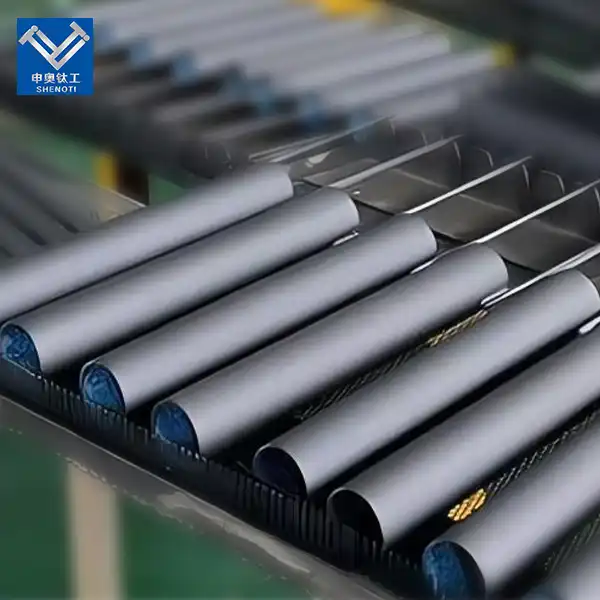
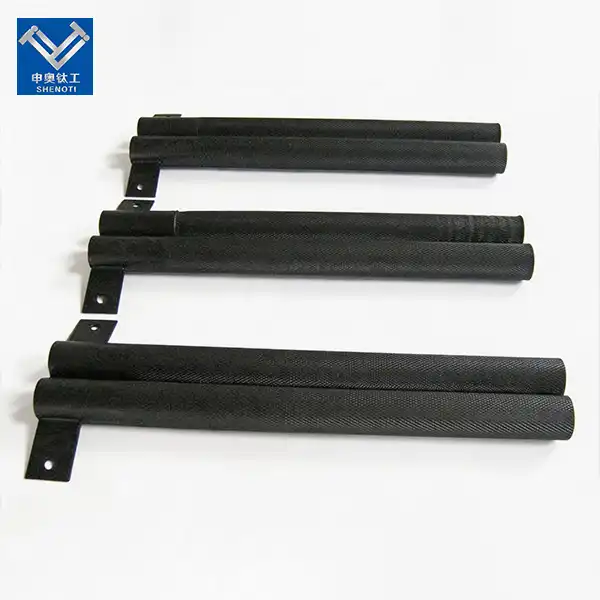
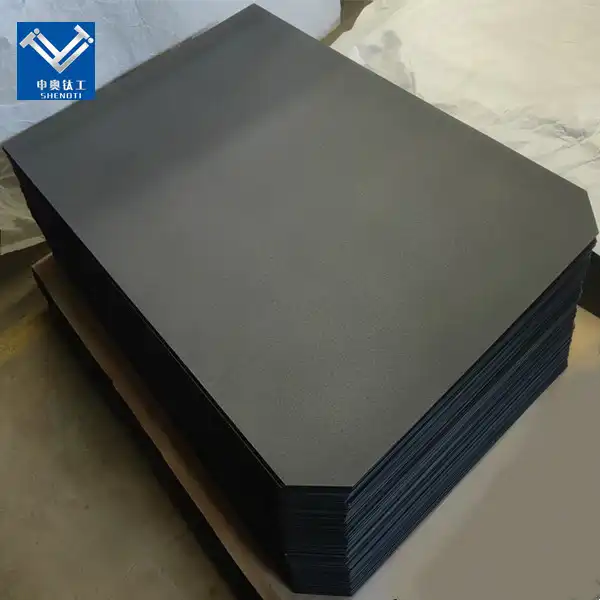
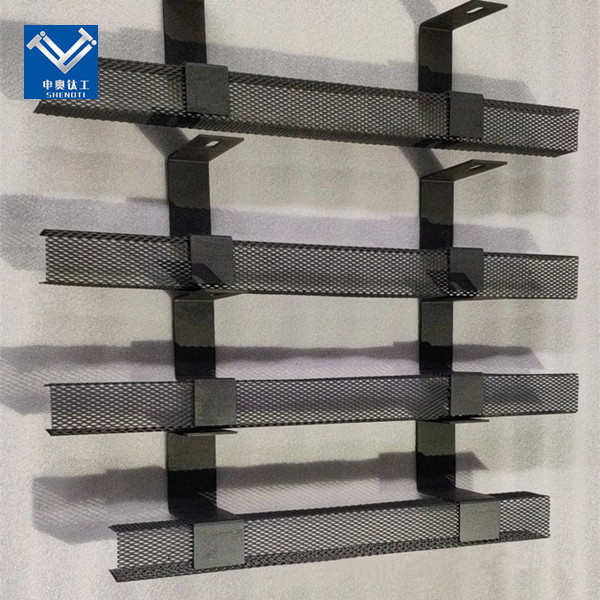
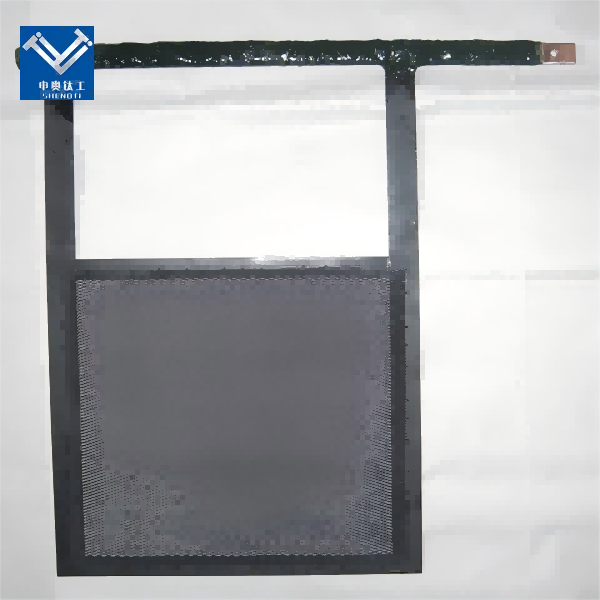
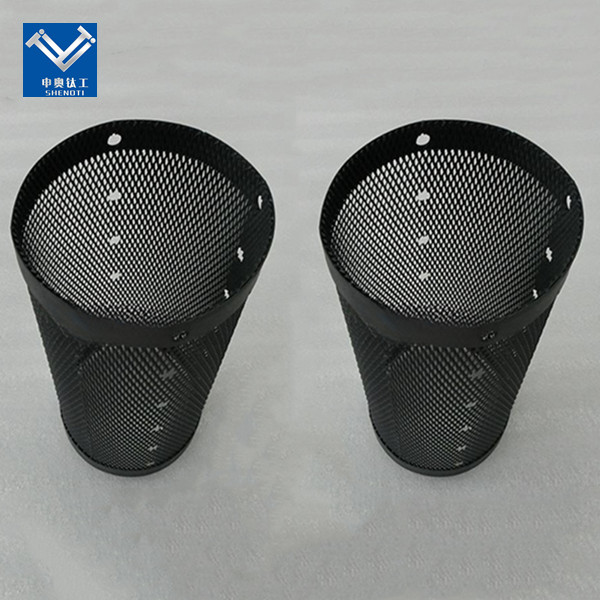
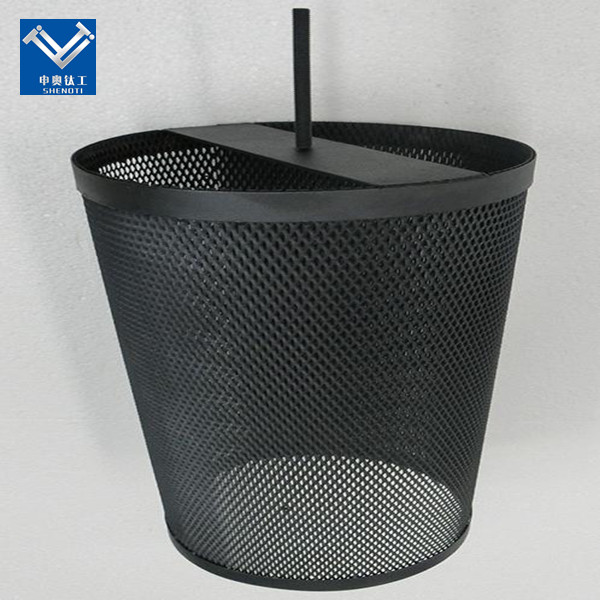
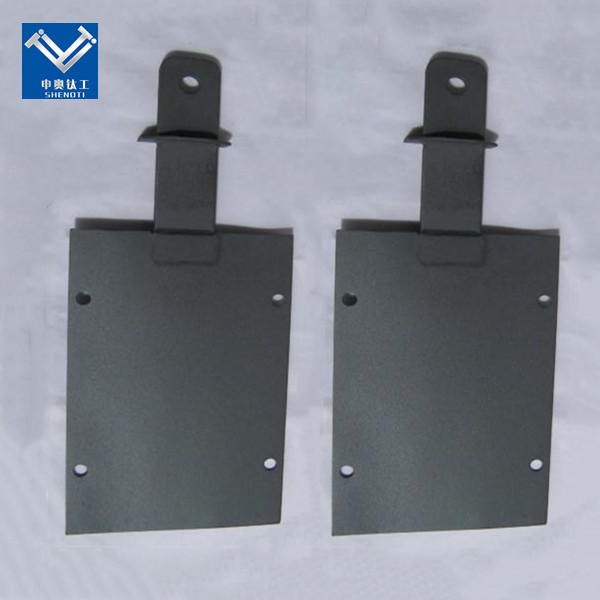
We can supply anodes in plate, expanded mesh, woven mesh, tubular, rod, and other configurations. Whatever your electrolyzer design—plate-and-frame, shell-and-tube, or open tank—a compatible anode structure can be provided.
Technical Specifications
|
Substrate Material |
Grade 1/2 Pure Titanium |
|
Coating Type |
Ruthenium-Iridium Mixed Metal Oxide (RuO₂-IrO₂), with optional optimization via tantalum, tin, and other elements |
|
Coating Thickness |
5–20 μm (adjusted based on current density and operating environment) |
|
Coating Loading |
10–200 g/m² (customized for rated current density) |
|
Current Density Range |
100–5,000 A/m² (adjusted based on application type) |
|
Operating Voltage Window |
0.5 V–2.5 V (typical electrochemical range) |
|
Applicable Media |
Chloride solutions, seawater, acidic electrolytes, electroplating solutions, mixed salt solutions |
Real-World Applications
- Chlor-Alkali Industry: Used in ion-exchange membrane or diaphragm electrolyzers for brine electrolysis to produce chlorine gas and caustic soda, achieving energy-efficient operation through low chlorine evolution overpotential.
- Seawater and Brine Electrolysis: Applied in direct seawater electrolysis for chlorine generation, sodium hypochlorite generators, ballast water treatment, and similar scenarios, reliably producing active chlorine for disinfection and antifouling.
- Electroplating Industry: In processes requiring insoluble anodes such as zinc plating, chromium plating, nickel plating, and precious metal plating, providing stable current output and long-term dimensional stability.
- Industrial Wastewater Treatment: Used for electrolytic treatment of industrial wastewater containing chlorides, cyanides, and organic pollutants, achieving pollutant degradation through anodic active chlorine generation or direct oxidation.
- Metal Foil and Strip Electrodeposition: In continuous electrodeposition lines for electrolytic copper foil and electrolytic nickel foil, delivering uniform current distribution and stable cell voltage.
The ShenAo Advantage
17 A long time of Fabricating Excellence
Since 2008, we've specialized in valuable metal coated titanium anodes from our office in Baoji's "China Titanium Valley." Our develop bimetallic hazardous welding innovation and progressed coating forms provide items you can trust.
Customization for Your Correct Needs
Every generation line is diverse. We give custom fitted arrangements coordinating your particular current thickness necessities, electrolyte composition, and operational parameters. Whether you require little bunch testing or full-scale generation amounts, we convey on time.
Cost-Effective Lifecycle Management
When coating exhaustion happens, you do not dispose of the whole anode. Our proficient recoating benefit strips the ancient oxide layer, sandblasts the substrate, and reapplies new MMO coating. This expands resource life and decreases your add up to taken a toll of proprietorship considerably.

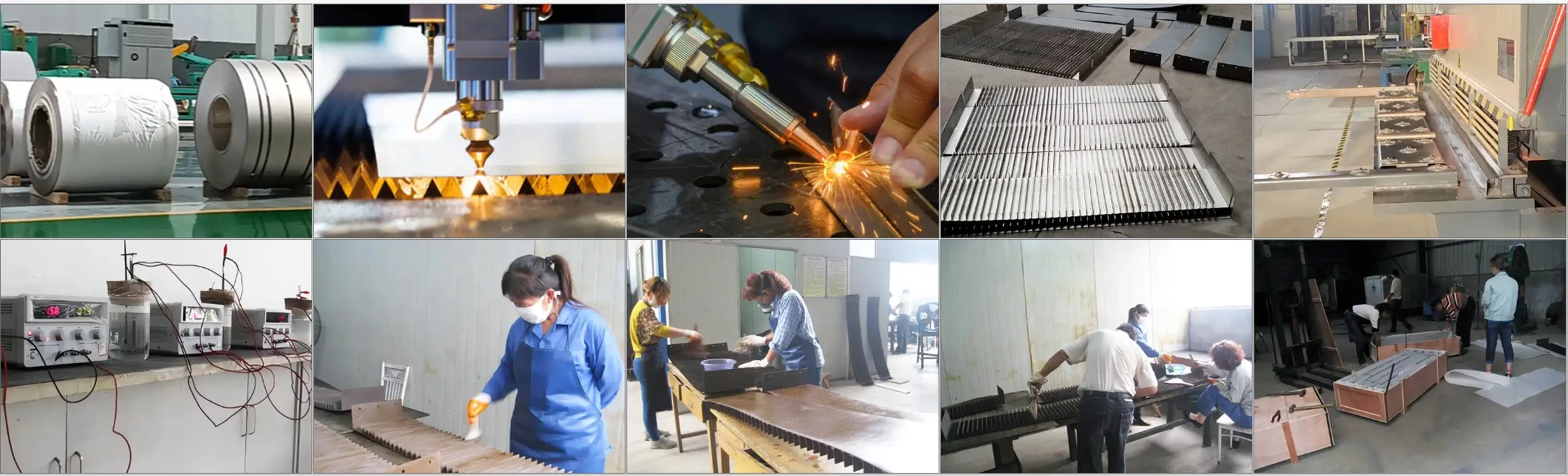
Product production process
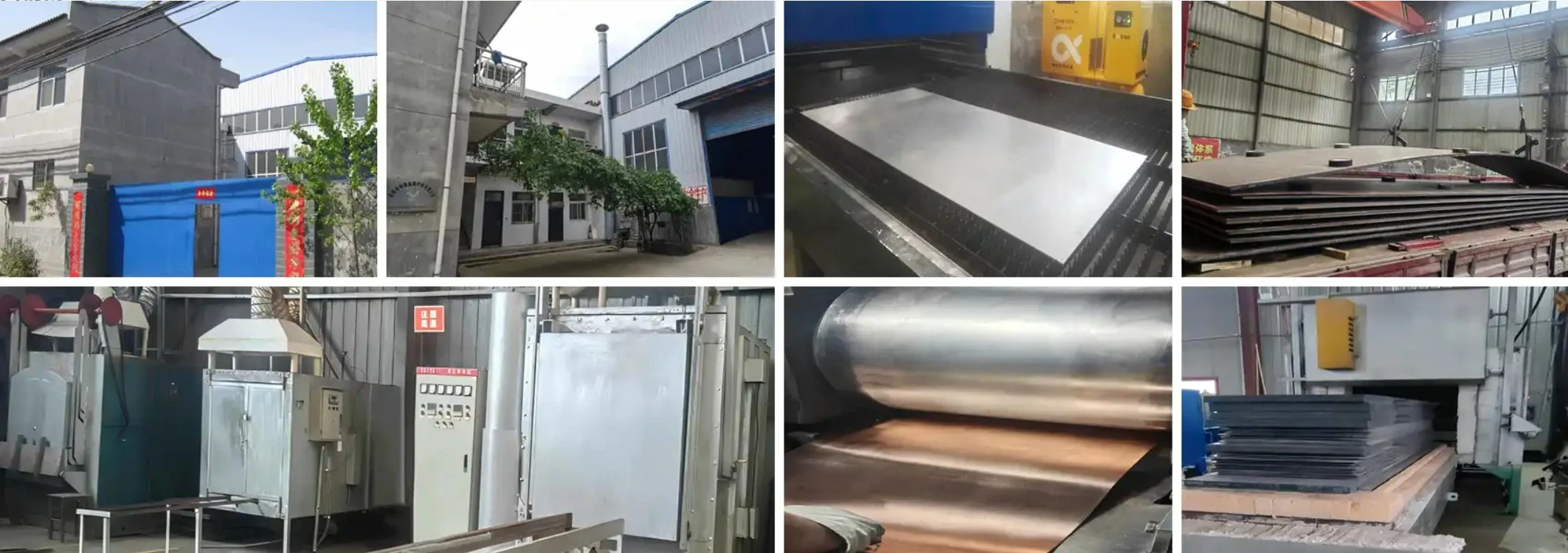
Our Factory
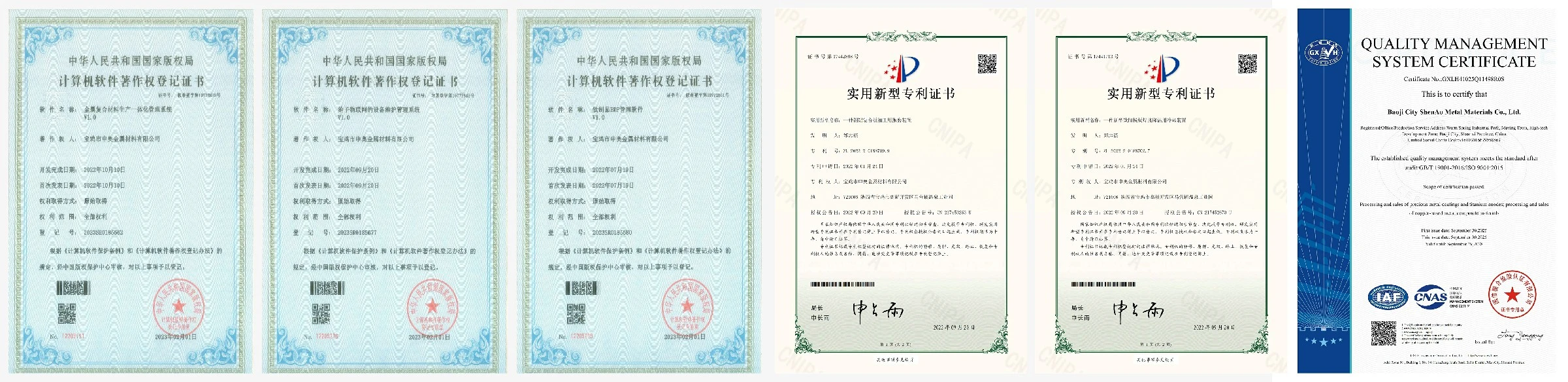
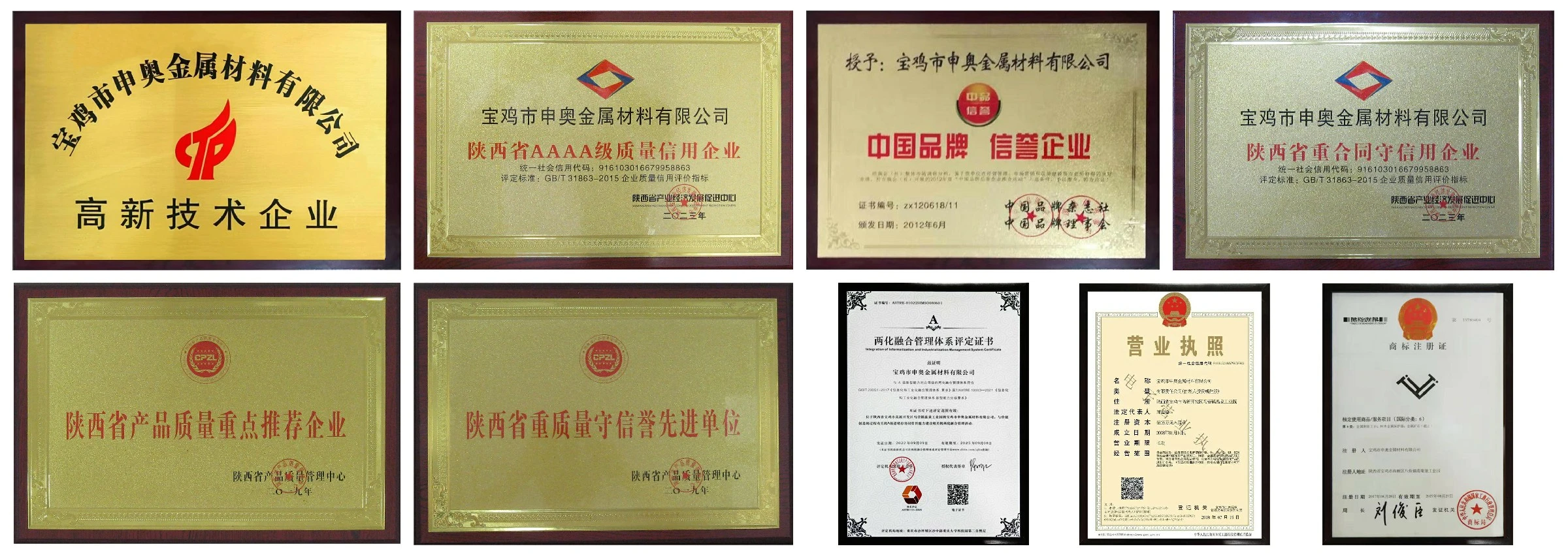
Our Patents and Honors
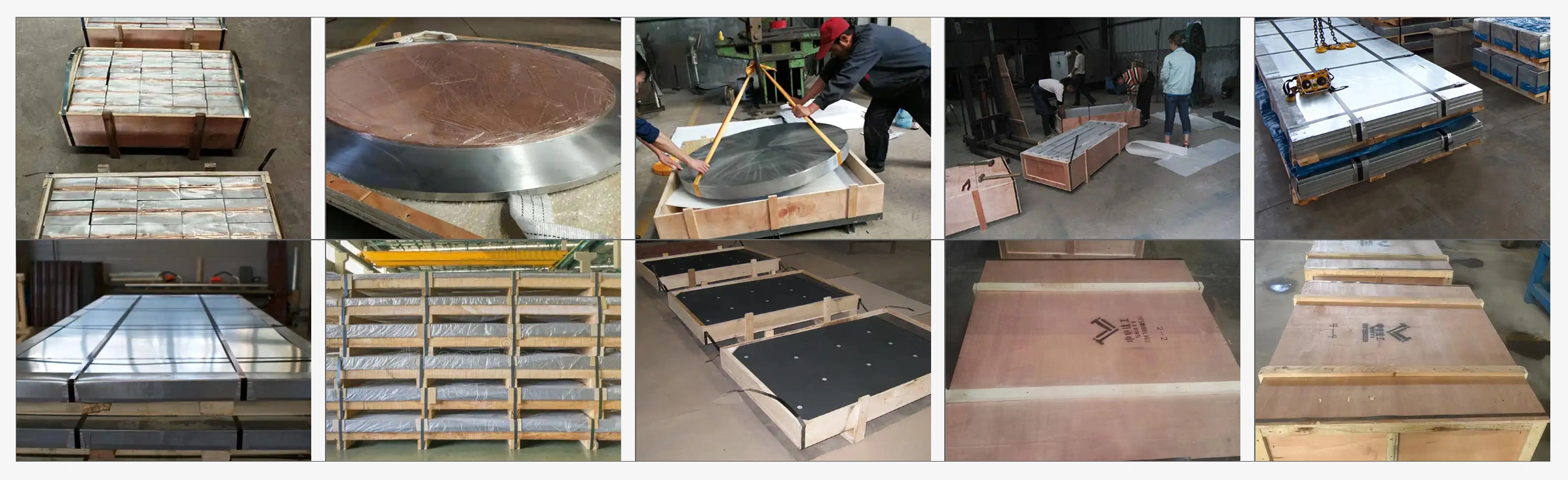
Our Packaging
Frequently Asked Questions
Q: What advantages does a ruthenium-iridium anode offer over pure ruthenium or pure iridium coating anodes?
A: Pure ruthenium coatings offer high chlorine evolution activity but corrode relatively easily in oxygen evolution environments, leading to shorter service life. Pure iridium coatings provide strong oxygen evolution durability but have a slightly higher chlorine evolution overpotential and come at a higher cost. The ruthenium-iridium composite coating, through an appropriate ratio balance, achieves a more balanced performance between activity and lifespan in most applications where both chlorine and oxygen evolution coexist.
Q: How is the ruthenium-to-iridium ratio in the coating determined?
A: The ratio selection depends on your specific working medium and the proportion of oxygen evolution. In environments with high chloride content and minimal oxygen evolution (such as chlor-alkali electrolysis), a higher ruthenium ratio can be used to pursue lower voltage. In environments with a higher proportion of oxygen evolution (such as dilute chloride solutions or seawater electrolysis), the iridium content needs to be increased to ensure coating lifespan. You can provide us with your electrolyte composition and operating parameters, and our engineers will recommend a suitable ratio.
Q: Can ruthenium-iridium anodes be used in environments containing fluoride ions?
A: This requires careful evaluation. Fluoride ions attack not only the titanium substrate but also the ruthenium-iridium coating itself. If the fluoride ion concentration in your electrolyte exceeds 10 ppm, we recommend considering a niobium substrate or a specialized fluoride-resistant coating formulation. It is important to inform us of fluoride content during the selection stage so we can make an accurate assessment.
Q: What causes localized peeling of the anode coating?
A: There are three common causes: first, excessively high localized current density leading to accelerated coating consumption; second, the presence of sharp particles or foreign matter in the electrolyte causing abrasive wear on the coating surface; third, mechanical impact during anode installation. We recommend checking the flow field distribution and current uniformity within the electrolyzer, and avoiding collisions between the anode and the tank body or other components.
Q: How can the service life of ruthenium-iridium anodes be extended?
A: Several key measures: keep the current density within the rated range and avoid frequent current surges; regularly monitor cell voltage trends and promptly investigate any anomalies; pre-treat the electrolyte to control fluoride ions, heavy metal impurities, and solid particulate content; during shutdown periods, remove the anode, clean it, and store it dry, avoiding prolonged immersion in the electrolyte.
Contact Us
You need a partner who not only supplies products but also solves your challenges alongside you. Our team is ready to engage with your inquiries and provide a tailored solution. Share your specific needs or key requirements with us today, and let us help you efficiently transform your breakthroughs into commercial value.
Titanium Anode Manufacturer
Email: zh@baojiti.com.cn
WhatsApp: +86-15877696471 (updated)
Products: Titanium Anodes, MMO Titanium Anodes, DSA Coated Titanium Electrodes, Electrolysis Electrodes, Hydrogen Production Electrodes, Wastewater Treatment Titanium Anodes.
YOU MAY LIKE