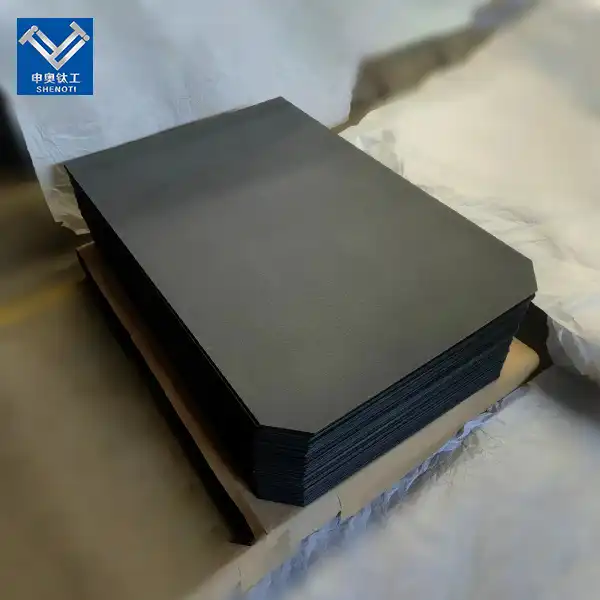
DSA Titanium Anode for Etching Solution Regeneration


Coating: Mixed Metal Oxide (MMO)
Coating Structure: Dense and highly conductive catalytic layer
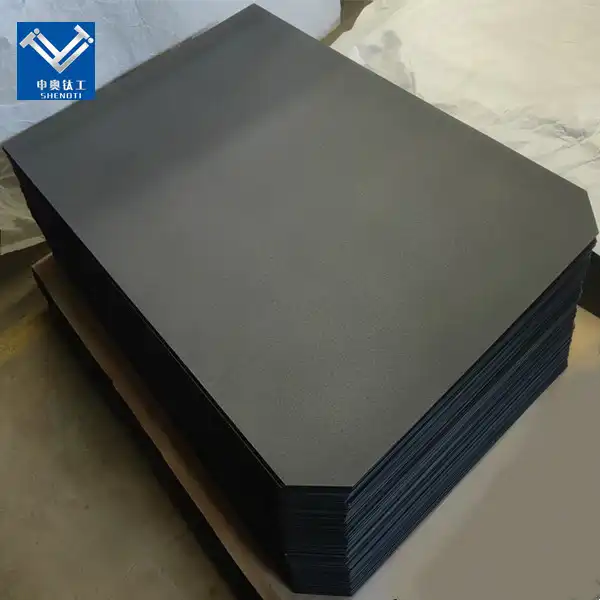
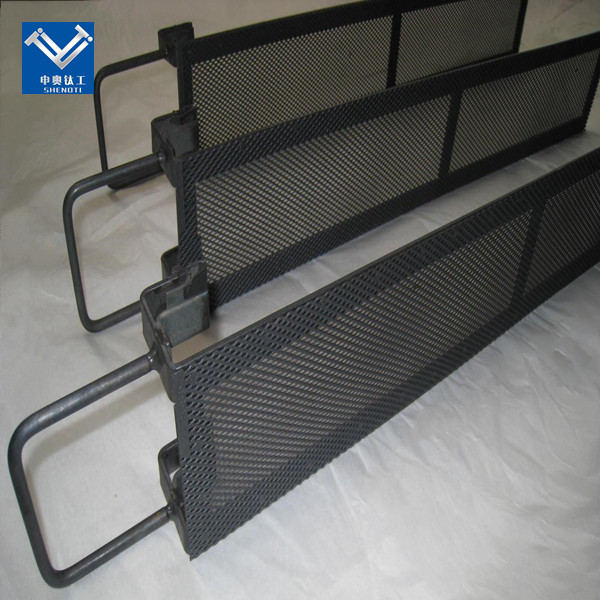
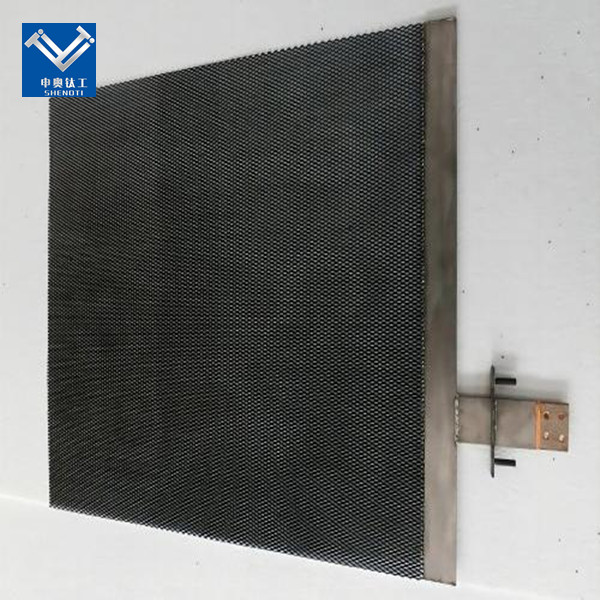
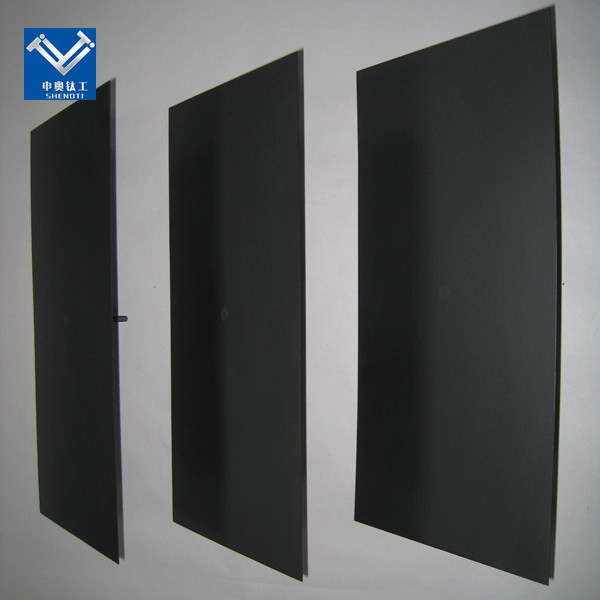
Custom made: Plate, Mesh, Tube, and Customed
Expected Lifespan: Engineered for reliable endurance in continuous service
Advantage:
High electrocatalytic activity
Strong corrosion resistance
Long service life
Dimensionally stable
DSA Titanium Anode for Etching Solution Regeneration
In electronics circuit manufacturing and precision metal etching, the efficient regeneration of etching solutions is of key significance for reducing production costs and minimizing hazardous waste discharge. Our DSA Titanium Anode for Etching Solution Regeneration at Baoji City ShenAo Metal Materials Co., Ltd. is designed specifically for online or offline regeneration systems of acidic cupric chloride etching solutions, ferric chloride etching solutions, and alkaline ammonia-based etching solutions. It uses Grade 1 or Grade 2 pure titanium as the substrate, with a noble metal oxide catalytic coating on the surface. In etching waste solutions containing high concentrations of metal ions and strongly corrosive media, the coating maintains stable chlorine evolution or oxygen evolution catalytic activity, re-oxidizing the reduced low-valence metal ions back to their high-valence state during the etching process to restore the oxidative capacity of the etching solution. The anode maintains a stable chemical state during operation, minimizing the risk of metal ion dissolution, making it suitable for the recycling and regeneration of etching solutions in PCB manufacturing, electronic packaging, precision metal etching, and electroplating industries, serving as a reliable electrode solution for achieving cost reduction, efficiency improvement, and green manufacturing in etching processes.
This product is for B2B Industrial Use Only. Operators should follow relevant chemical safety protocols and electrolysis operation standards.
Technical Specifications
|
Substrate Material |
Grade 1/2 Pure Titanium |
|
Coating Type |
Iridium-Tantalum (IrO₂-Ta₂O₅) or Ruthenium-Iridium (RuO₂-IrO₂), customized per etching solution type and regeneration process |
|
Coating Thickness |
5–20 μm (adjusted based on current density and etching solution composition) |
|
Coating Loading |
10–200 g/m² (customized for rated current density) |
|
Current Density Range |
200–2,000 A/m² (adjusted based on etching solution redox potential and regeneration efficiency requirements) |
|
Operating Voltage Window |
0.5 V–3.5 V (typical etching solution regeneration potential range) |
|
Anode Shapes |
Plate, Mesh, Tube, Perforated Plate, Custom |
|
Applicable Etching Solutions |
Acidic cupric chloride etching solution, ferric chloride etching solution, alkaline ammonia-based etching solution, persulfate-containing etching solution |
Why Choose Our Titanium Anodes?
- Efficient Restoration of Etching Solution Oxidative Capacity
During use, high-valence metal ions in etching solutions (such as Cu²⁺ and Fe³⁺) are reduced to low-valence states (Cu⁺ and Fe²⁺), losing etching activity. Our anode coating exhibits high electrocatalytic activity for the re-oxidation of low-valence metal ions in chloride or acidic etching waste solutions, efficiently oxidizing Cu⁺ to Cu²⁺ or Fe²⁺ to Fe³⁺, restoring the redox potential of the etching solution. This regeneration process can be carried out online in a bypass circulation system of the etching line, reducing etching solution replacement frequency and fresh solution replenishment volume, and lowering hazardous waste discharge and raw material costs. - Chemical Stability in Highly Corrosive Etching Solutions
Cupric chloride etching solutions contain high concentrations of hydrochloric acid and copper ions; ferric chloride etching solutions are strongly acidic, high-salinity systems; alkaline ammonia-based etching solutions contain high concentrations of ammonia and ammonium salts—all posing extremely stringent corrosion challenges to electrode materials. Our iridium-tantalum coatings maintain a low corrosion rate and good structural integrity in such highly corrosive complex media, making them suitable for long-cycle continuous operation of regeneration systems. - Suppression of Side Reactions for Enhanced Regeneration Efficiency
During etching solution regeneration, chlorine evolution or oxygen evolution side reactions at the anode consume current and reduce regeneration efficiency. Our coating formulations are optimized according to the etching solution type, balancing chlorine evolution activity with metal ion oxidation activity in chloride systems, and controlling oxygen evolution overpotential in sulfate or nitrate systems, maximizing the use of current for the targeted oxidative regeneration of metal ions and improving current efficiency. - Diverse Anode Configurations for Different Regeneration Systems
We can supply plate, mesh, tubular, and perforated plate anodes, compatible with diaphragm-type regeneration cells, single-chamber flow-through regenerators, and online bypass regeneration modules. For online regeneration on PCB etching lines, compact mesh or perforated plate anode assemblies are available; for large-scale centralized regeneration stations, custom-sized plate anodes can be provided. Based on your etching solution type, regeneration scale, and installation space, anode profiles and conductive connection methods can be customized.
|
|
|
|
|
|
|
|
|
|
|
|


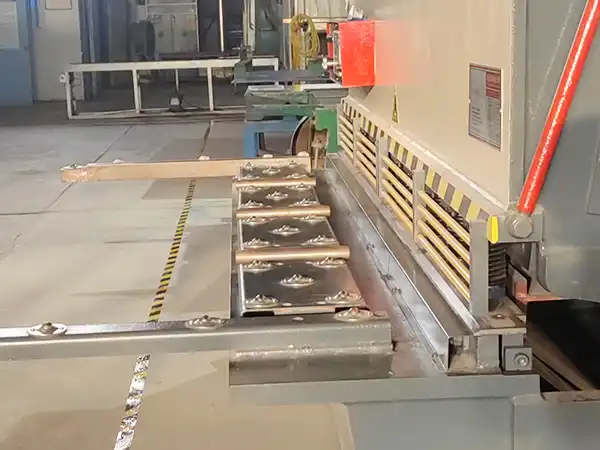


Real-World Applications
- PCB Manufacturing and Electronics Circuit Industry: Used in online regeneration systems for acidic cupric chloride etching lines in printed circuit board manufacturing, covering circulation regeneration units for pattern plating etching and alkaline ammonia-based etching solutions, reducing etching waste discharge and enabling copper resource recovery.
- Precision Metal Etching Processing: Used in ferric chloride etching solution regeneration for precision etching of stainless steel, copper alloys, and titanium alloys, covering etching solution recycling and metal ion recovery systems in etching workshops.
- Electronic Packaging and Semiconductor Manufacturing: Used in etching solution regeneration for lead frame, BGA substrate, and wafer-level packaging etching processes, covering online regeneration units for copper etching solutions and titanium-tungsten etching solutions.
- Environmental Protection and Resource Recovery: Used in centralized treatment and metal recovery systems for copper and iron-containing waste solutions from the electroplating and etching industries, simultaneously achieving metal resource recovery and wastewater reduction through anodic oxidation regeneration of etching solutions.


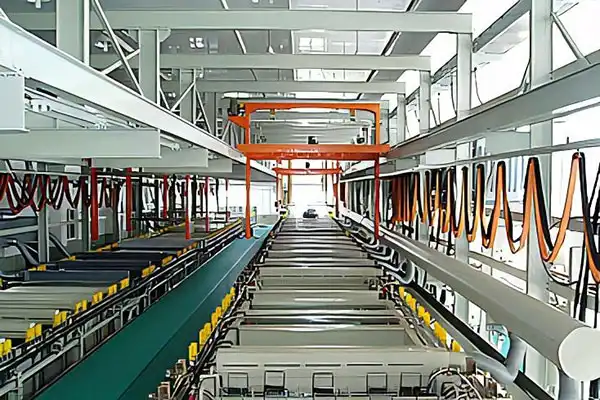
The ShenAo Advantage
18 Years of Fabricating Excellence
Since 2008, we've specialized in valuable metal coated titanium anodes from our office in Baoji's "China Titanium Valley." Our develop bimetallic hazardous welding innovation and progressed coating forms provide items you can trust.
Customization for Your Correct Needs
Every generation line is diverse. We give custom fitted arrangements coordinating your particular current thickness necessities, electrolyte composition, and operational parameters. Whether you require little bunch testing or full-scale generation amounts, we convey on time.
Cost-Effective Lifecycle Management
When coating exhaustion happens, you do not dispose of the whole anode. Our proficient recoating benefit strips the ancient oxide layer, sandblasts the substrate, and reapplies new MMO coating. This expands resource life and decreases your add up to taken a toll of proprietorship considerably.

Frequently Asked Questions
Q: What is the difference in anode coating selection between acidic cupric chloride etching solutions and alkaline ammonia-based etching solutions?
A: Acidic cupric chloride etching solutions contain high concentrations of hydrochloric acid and copper ions, with Cl⁻ as the main anion. The chlorine evolution reaction and Cu⁺ oxidation reaction coexist at the anode side, and ruthenium-iridium coatings are typically selected to utilize their chlorine evolution activity to assist metal ion oxidation. Alkaline ammonia-based etching solutions have NH₄⁺ and NH₃ as the main components, with the oxygen evolution reaction dominating at the anode side. Iridium-tantalum coatings are selected to ensure chemical stability in alkaline, high-salinity environments. Ferric chloride etching solutions are strongly acidic systems, for which iridium-tantalum coatings are recommended. You can provide your etching solution type and process parameters, and our engineers will recommend a matched solution.
Q: What factors affect regeneration efficiency?
A: Key factors include the metal ion concentration in the etching solution, acidity or alkalinity, operating current density, and electrolyte flow rate. Excessively high current density can intensify oxygen evolution or chlorine evolution side reactions, reducing current efficiency, while excessively low current density results in insufficient regeneration rates. We recommend optimizing current density and flow parameters based on the actual redox potential and metal ion concentration of the etching solution to balance regeneration efficiency and energy consumption.
Q: What precautions should be taken when treating etching solutions containing high concentrations of metal ions with anodes?
A: High concentrations of metal ions may form metal oxide or hydroxide deposits on the anode surface, affecting electrode activity. We recommend periodically inspecting the anode surface condition and arranging online or offline acid cleaning to remove deposits as needed. For etching solutions containing suspended particulate matter, it is recommended to install filtration equipment before the regeneration cell to reduce physical wear on the anode surface.
Q: How should anodes be handled when the coating reaches the end of its service life?
A: The titanium substrate remains stable in the etching solution regeneration environment. The old coating can be chemically stripped, and once the substrate passes inspection, it can be recoated to restore performance to new-anode levels. We offer a full-service process including incoming inspection of used anodes, coating stripping, substrate treatment, and recoating.
Contact Us
You need a partner who not only supplies products but also solves your challenges alongside you. Our team is ready to engage with your inquiries and provide a tailored solution. Share your specific needs or key requirements with us today, and let us help you efficiently transform your breakthroughs into commercial value.
Titanium Anode Manufacturer
Email: zh@baojiti.com.cn
WhatsApp: +86-15877696471 (updated)
Products: Titanium Anodes, MMO Titanium Anodes, DSA Coated Titanium Electrodes, Electrolysis Electrodes, Hydrogen Production Electrodes, Wastewater Treatment Titanium Anodes.