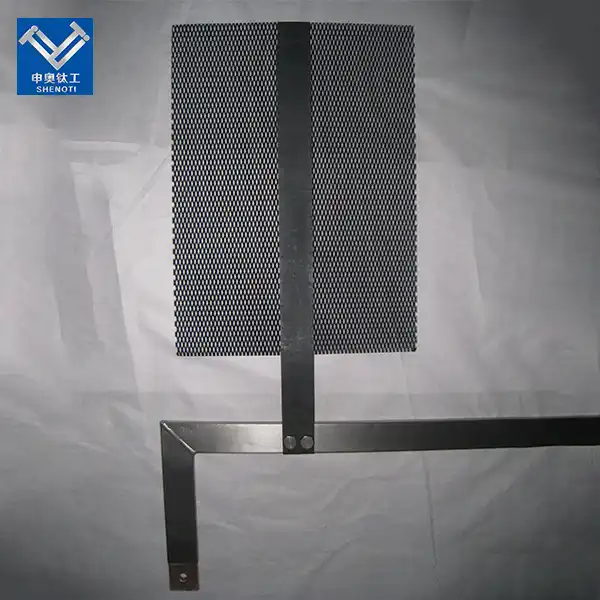
Chlor-Alkali CER Titanium Anode


Coating: Mixed Metal Oxide (MMO)
Coating Structure: Dense and highly conductive catalytic layer
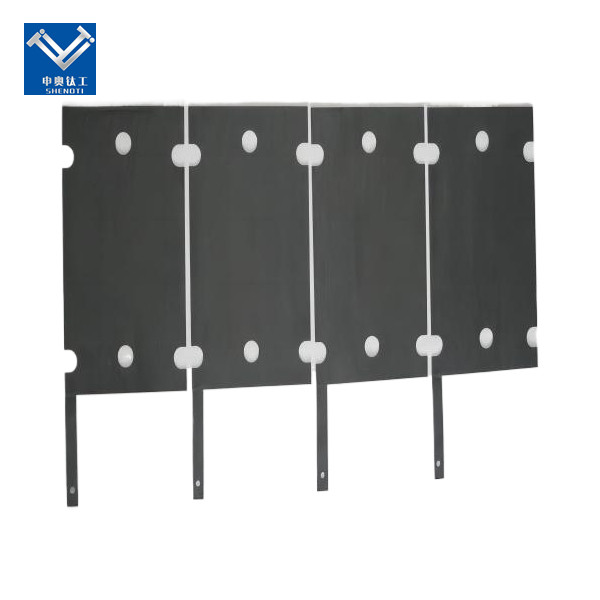
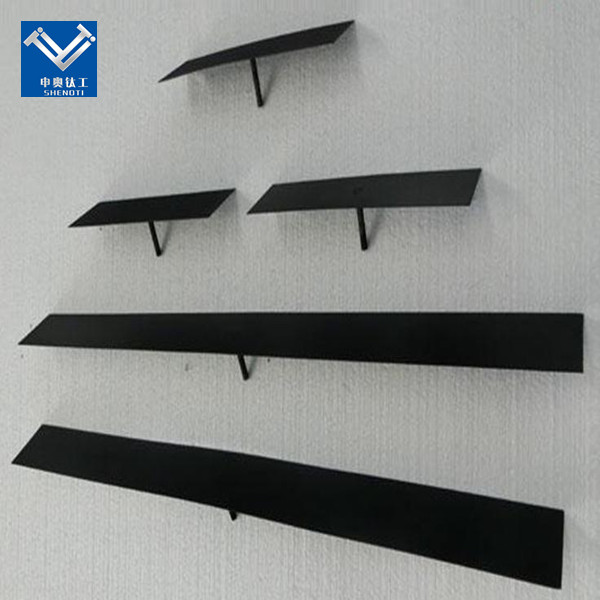
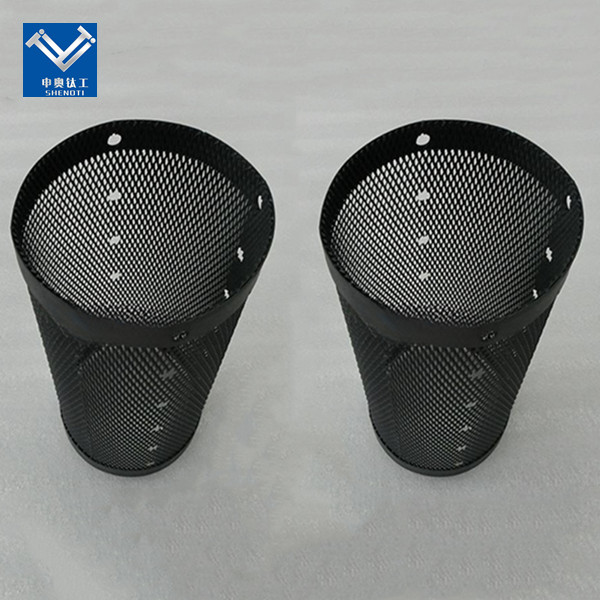
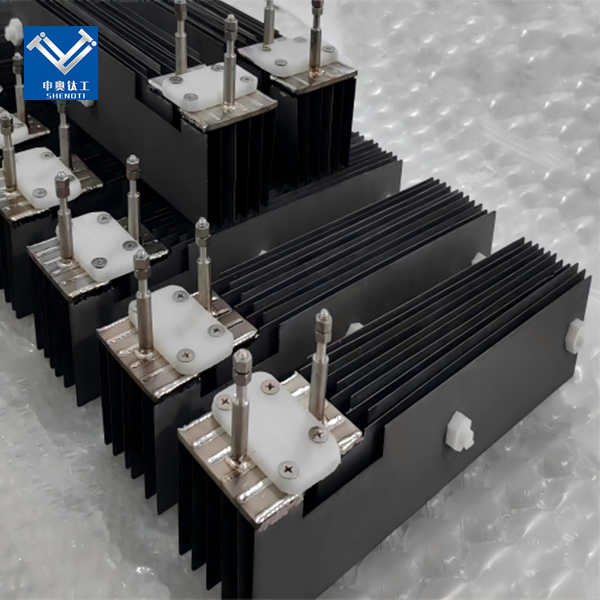
Custom made: Plate, Mesh, Tube, and Customed
Expected Lifespan: Capable of consistent output across long-duration applications
Advantage:
High electrocatalytic activity
Strong corrosion resistance
Long service life
Dimensionally stable
Chlor-Alkali CER Titanium Anode
In the chlor-alkali industry, the chlorine evolution catalytic activity and durability of the anode are core factors determining electrolysis energy consumption, chlorine gas purity, and production line operational efficiency. Our Chlor-Alkali CER Titanium Anode at Baoji City ShenAo Metal Materials Co., Ltd. is designed specifically for the efficient and stable operation of ion-exchange membrane or diaphragm chlor-alkali electrolyzers. It uses Grade 1 or Grade 2 pure titanium as the substrate, with a ruthenium-iridium mixed metal oxide catalytic coating on the surface. The ruthenium component imparts a very low chlorine evolution overpotential to the coating, enabling efficient chlorine gas generation at low cell voltage under saturated brine electrolysis conditions, while the introduction of iridium enhances the coating's structural stability during the accompanying oxygen evolution side reaction, allowing the anode to maintain stable catalytic activity and dimensional integrity throughout the long-cycle continuous operation of chlor-alkali electrolysis. This anode is suitable for various chlor-alkali electrolysis installations, serving as a reliable electrode solution for ensuring chlorine output, reducing DC power consumption, and extending electrolyzer operating cycles.
This product is for B2B Industrial Use Only. Operators should follow relevant chemical safety protocols and chlor-alkali electrolysis operation standards.
Technical Specifications
|
Substrate Material |
Grade 1/2 Pure Titanium |
|
Coating Type |
Ruthenium-Iridium Mixed Metal Oxide (RuO₂-IrO₂), formulation optimizable per current density and brine quality |
|
Coating Thickness |
5–20 μm (adjusted based on current density and operating conditions) |
|
Coating Loading |
10–200 g/m² (customized for rated current density) |
|
Current Density Range |
1,000–5,000 A/m² (adjusted based on electrolyzer type and designed capacity) |
|
Operating Voltage Window |
0.5 V–2.0 V (typical chlor-alkali chlorine evolution potential range) |
|
Anode Shapes |
Plate, Expanded Mesh, Louvered, Custom |
|
Applicable Media |
Saturated purified brine, ion-exchange membrane/diaphragm chlor-alkali electrolytes |
Why Choose Our Titanium Anodes?
- Very Low Chlorine Evolution Overpotential for Reduced DC Power Consumption
The ruthenium-iridium coating exhibits a very low chlorine evolution overpotential in saturated brine systems, enabling efficient chlorine evolution at low cell voltage even at industrial-grade current densities (3,000–5,000 A/m²). For large-scale chlor-alkali plants with annual capacities of tens to hundreds of thousands of tons, the electricity cost savings from every 0.1V reduction in cell voltage can be meaningful over long-term operation, directly improving the comprehensive energy consumption indicators and operating costs of chlor-alkali production. - Long-Term Dimensional Stability in High-Salinity, Highly Corrosive Environments
The interior of a chlor-alkali electrolyzer presents a highly corrosive environment where high-temperature saturated brine and wet chlorine gas coexist, placing stringent demands on the anode's chemical stability and mechanical strength. Our ruthenium-iridium coating forms a sound metallurgical bond with the titanium substrate, maintaining stable electrode spacing and current distribution during long-term operation without cell voltage drift caused by coating dissolution or substrate deformation, ensuring the long-cycle safe operation of the electrolyzer. - Optimized Coating Formulation Balancing Activity and Service Life
While pure ruthenium coatings offer high chlorine evolution activity, they consume relatively quickly in the oxygen evolution side reaction that accompanies chlor-alkali electrolysis. By introducing an appropriate amount of iridium and optimizing the coating's microstructure and component distribution, our ruthenium-iridium composite coating significantly enhances resistance to oxygen evolution corrosion while maintaining high chlorine evolution activity, achieving a favorable balance between activity and service life suited to continuous industrial production. - Proven Solutions Compatible with Mainstream Chlor-Alkali Electrolyzers
We can supply plate, expanded mesh, and louvered anodes, compatible with the standard installation requirements of ion-exchange membrane and diaphragm electrolyzers. Based on your electrolyzer model, electrode spacing, and current density design parameters, anode profiles, bus bar connection methods, and coating formulations can be customized to achieve seamless compatibility and convenient replacement with existing chlor-alkali production lines.
|
|
|
|
|
|
|
|
|
|
|
|




Real-World Applications
- Ion-Exchange Membrane Caustic Soda and Chlorine Production: Used for the electrolytic production of high-purity caustic soda, chlorine gas, and hydrogen from sodium chloride brine in ion-exchange membrane electrolyzers, covering large-scale ion-exchange membrane chlor-alkali plants, chlorine-hydrogen balanced production systems for downstream chlorine derivatives, and the electrolysis section preceding the evaporation and concentration of high-strength liquid caustic soda, providing low chlorine evolution overpotential and extended service life for the electrolysis process.
- Chlorate and Perchlorate Electrochemical Synthesis: Used for the electrolytic synthesis of inorganic chlorine oxyanion compounds such as sodium chlorate, potassium chlorate, and perchlorates, covering electrolytic production of sodium chlorate for pulp bleaching, electrolytic manufacturing of chlorates for industrial oxidizers and specialized manufacturing applications, electrochemical synthesis of high-purity perchlorates under high-current-density conditions, and on-site electrolytic generation of sodium chlorate as a precursor for chlorine dioxide generators used in water treatment.
- Direct Electrolysis of Seawater and Brine for Chlorine Generation: UUsed for direct electrolysis antifouling and disinfection with seawater or brine at coastal power stations, ships, and offshore installations, covering chlorine-evolving anode assemblies in seawater direct electrolysis antifouling systems for power plant circulating cooling water, electrolytic ballast water treatment units on ocean-going vessels, electrolytic seawater chlorination systems for firefighting and sanitary purposes on offshore oil platforms, and biofouling prevention electrolysis installations in coastal nuclear power plant cooling water tunnels.
- Electrolytic Synthesis of Fine Chlorinated Products: Used for the indirect electrolytic synthesis of chlorine-containing fine chemicals and organochlorine intermediates, covering the electrolytic chlorination-oxidation process in saccharin sodium production, electrolytic chlorination of intermediates for rubber vulcanization accelerators such as tetramethylthiuram disulfide, electrolytic chlorination of precursors for chlorine-containing disinfectants, and selective electrochemical chlorination conversion of dye and pharmaceutical intermediates.


The ShenAo Advantage
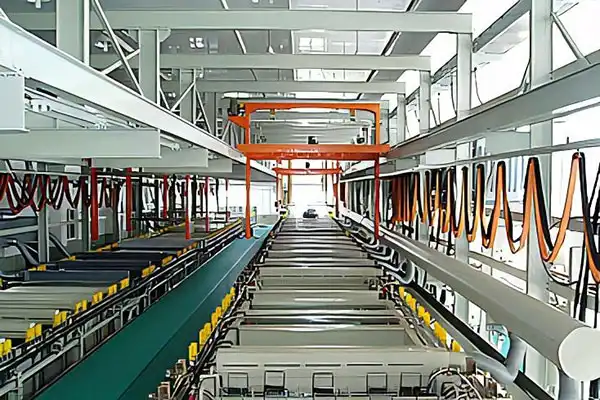
18 Years of Manufacturing Excellence
Since 2008, we've specialized in valuable metal coated titanium anodes from our office in Baoji's "China Titanium Valley." Our develop bimetallic hazardous welding innovation and progressed coating forms provide items you can trust.
Customization for Your Correct Needs
Every generation line is diverse. We give custom fitted arrangements coordinating your particular current thickness necessities, electrolyte composition, and operational parameters. Whether you require little bunch testing or full-scale generation amounts, we convey on time.
Cost-Effective Lifecycle Management
When coating exhaustion happens, you do not dispose of the whole anode. Our proficient recoating benefit strips the ancient oxide layer, sandblasts the substrate, and reapplies new MMO coating. This expands resource life and decreases your add up to taken a toll of proprietorship considerably.

Frequently Asked Questions
Q: What is the main difference between chlor-alkali CER titanium anodes and standard ruthenium-iridium anodes?
A: Chlor-alkali dedicated anodes undergo formulation and process optimization tailored to the specific conditions of saturated brine, high temperature, and high current density. The ruthenium-to-iridium ratio in the coating is specially formulated to achieve the optimal balance of chlorine evolution activity and service life during the long-cycle continuous operation of chlor-alkali electrolysis. Additionally, the dimensional accuracy and bus bar connection methods of the anodes are designed and inspected according to the stringent standards of chlor-alkali electrolyzers to ensure uniform current distribution across large electrolyzer arrays.
Q: How does brine quality affect anode service life?
A: Impurity ions such as calcium, magnesium, and iron in the brine can form deposits on the ion-exchange membrane or diaphragm, and also affect the activity of the anode coating. Excessive calcium and magnesium ion concentrations can accelerate scaling and passivation of the coating surface. The chlor-alkali industry typically requires total calcium and magnesium levels in the feed brine to be below 20 ppb, and iron ions below 0.5 ppm. Rigorous primary and secondary brine purification is a prerequisite for ensuring anode service life and electrolyzer performance.
Q: How can I determine whether the anode coating needs replacement?
A: In chlor-alkali electrolysis, a gradual increase in cell voltage is a normal indication of progressive coating consumption. If the cell voltage exhibits a sustained rapid increase over a relatively short period, and this is not resolved after excluding factors such as changes in brine quality and ion-exchange membrane performance, it typically indicates that the coating is approaching the end of its service life. We recommend establishing a continuous cell voltage monitoring and trend analysis mechanism, combined with periodic shutdown inspections of the anode surface condition, to anticipate the replacement window.
Q: How should anodes be handled when the coating reaches the end of its service life?
A: The titanium substrate remains stable in the chlor-alkali electrolysis environment. The old coating can be chemically stripped, and once the substrate passes inspection, it can be recoated to restore performance to new-anode levels. We offer a full-service process including incoming inspection of used anodes, coating stripping, substrate treatment, and recoating, helping you reduce the long-term electrode renewal costs of your chlor-alkali plant.
Contact Us
You need a partner who not only supplies products but also solves your challenges alongside you. Our team is ready to engage with your inquiries and provide a tailored solution. Share your specific needs or key requirements with us today, and let us help you efficiently transform your breakthroughs into commercial value.
Titanium Anode Manufacturer
Email: zh@baojiti.com.cn
WhatsApp: +86-15877696471 (updated)
Products: Titanium Anodes, MMO Titanium Anodes, DSA Coated Titanium Electrodes, Electrolysis Electrodes, Hydrogen Production Electrodes, Wastewater Treatment Titanium Anodes.