Titanium Anode for Corrosion Resistance in Acidic Metal Ion Concentration and Recovery
2026-06-26 09:26:19
In the electroplating, hydrometallurgical, and chemical industries, acidic waste liquids containing metal ions represent both an environmental compliance obligation and a recoverable resource within the circular economy. Electrodialysis technology achieves the concentration and recovery of valuable metals or acids through selective ion migration, with the anode in the membrane stack required to operate stably over the long term under alternating strong acid and strong alkali environments. The titanium anode for electrodialysis is an electrochemical core component engineered to meet the corrosion resistance requirements under such demanding operating conditions.
Corrosion-Resistant Substrate: Material Selection for Alternating Strong Acid and Alkali Environments
During electrodialysis concentration and recovery processes, the working environment of the anode compartment fluctuates considerably with variations in feed composition and operating stages. In acid recovery processes, the anode may come into contact with strong acid media such as sulfuric acid, hydrochloric acid, or nitric acid. In metal ion concentration processes, the acidity of the feed solution intensifies as concentration increases. Strong acid environments are highly corrosive to metallic materials, with common metal electrodes potentially undergoing dissolution or pitting within short timeframes, not only affecting electrode service life but also introducing impurity ions into the recovery solution and reducing product purity.
The titanium anode for electrodialysis employs high-purity titanium as the substrate. Titanium exhibits high corrosion resistance in strongly oxidizing acids and chloride-containing media, attributable to the dense and stable passive oxide film that can spontaneously form on its surface under anodic polarization conditions. This passive film tends to maintain integrity across a broad pH range, effectively isolating the substrate from direct contact with corrosive electrolytes. Under alternating strong acid and alkali operating conditions, even with periodic fluctuations in electrolyte composition, the titanium substrate can maintain structural stability, helping to reduce the risk of metal ion dissolution caused by substrate corrosion and safeguarding the purity of recovered products. Actual corrosion resistance performance varies depending on acid type, concentration, temperature, and operating current density.
Performance varies based on specific operating conditions. Actual results depend on electrolyte composition and operating parameters.

Coating Design: Balancing Oxygen Evolution Activity and Stability in Acidic Environments
In acidic metal ion concentration and recovery, the anodic oxygen evolution reaction is the primary electrochemical reaction. The nascent oxygen generated during oxygen evolution possesses strong oxidizing properties, subjecting the coating material to continuous oxidative attack. Simultaneously, acidic electrolytes may penetrate along micro-cracks in the coating to the substrate interface, weakening coating adhesion. The coating must strike a balance between catalytic activity and chemical stability.
The coating formulation of the titanium anode for electrodialysis is based on metal oxide systems such as IrO₂-RuO₂. IrO₂ exhibits high electrochemical stability under acidic oxygen evolution conditions and is a key component for maintaining the long-term functional integrity of the coating in strong acid environments. The introduction of RuO₂ can reduce the oxygen evolution overpotential and enhance catalytic activity, contributing to lower anode operating potential and system energy consumption. The coating is applied through a precision thermal decomposition process, forming a dense and strongly adherent electrocatalytic interface on the titanium substrate surface. The coating thickness is optimized to maintain activity while avoiding internal stress accumulation associated with excessive thickness. Under typical acidic concentration and recovery operating conditions, the coating tends to maintain structural integrity, supporting the anode in sustaining stable oxygen evolution efficiency over extended operating cycles. Actual coating life varies depending on acid type, concentration, temperature, and operating mode.
Engineering Value for the Concentration and Recovery Market
In the global electroplating, hydrometallurgical, and chemical industries, the recovery and utilization of valuable metals and acids are shifting from environmental compliance drivers to circular economy profit drivers. The engineering value of the titanium anode for electrodialysis in this market lies in combining strong acid corrosion resistance with high ion transport efficiency, supporting the long-term stable operation of concentration and recovery systems.
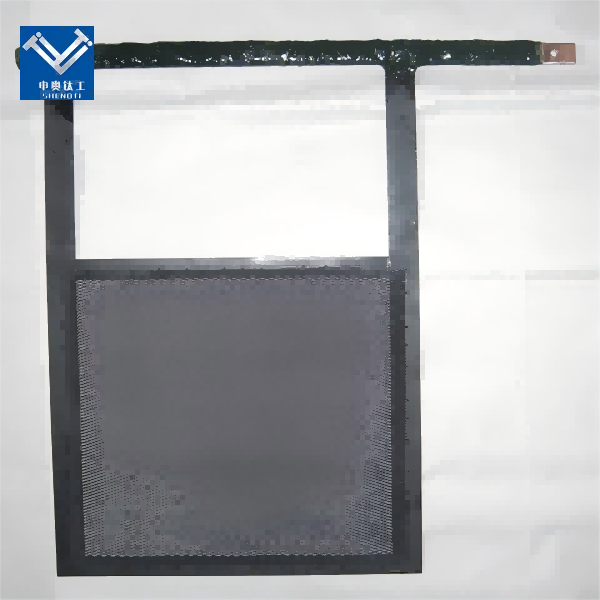
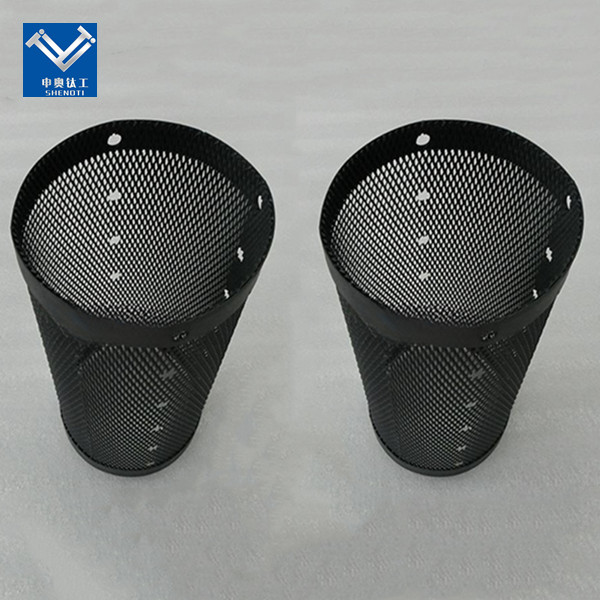
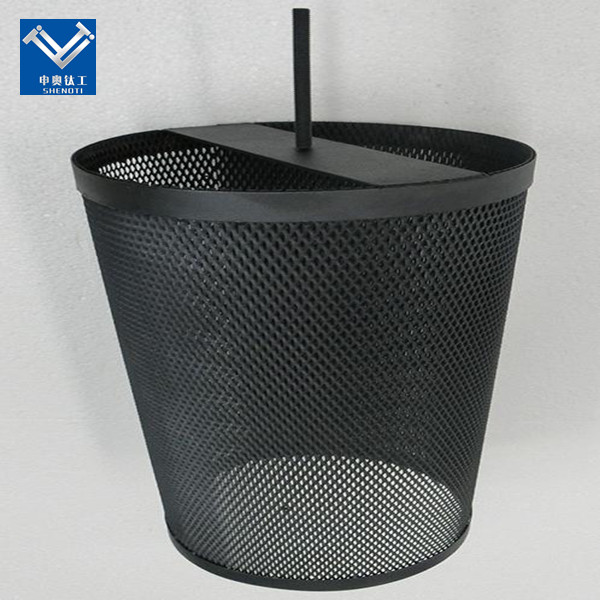
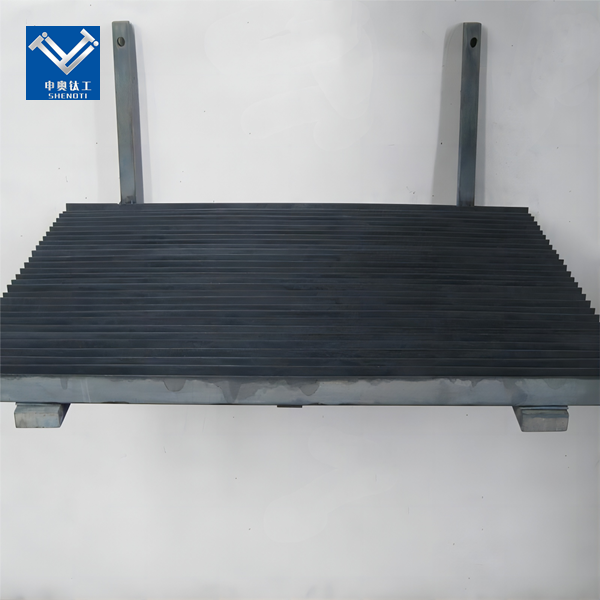
In the concentration and recovery of electroplating rinse waters containing nickel, copper, chromium, and other metals, the anode helps maintain stable electric field distribution within the membrane stack, supporting efficient ion migration and concentration. In acid recovery from pickling waste liquids, the anode tends to maintain functional integrity in strong acid environments, supporting the stability of recovered acid quality. Our titanium anode for electrodialysis products, built on high-purity titanium substrates and coated with metal oxide systems such as IrO₂ and RuO₂, can be customized into plate, mesh, and other geometric configurations to suit membrane stack designs of different specifications. We recommend that electrodialysis equipment integrators and resource recovery enterprises conduct pilot validation of titanium anodes for electrodialysis based on the chemical composition, acidity, and operating parameters of their target recovery solutions. By tracking indicators such as current efficiency, recovery rate, and long-term anode operating performance, the technical compatibility and total lifecycle economics of the anode in specific application scenarios can be evaluated.
Important Note: The performance descriptions above are based on engineering experience under specific test conditions or internal test data. Differences may exist between laboratory results and actual operating conditions. Actual corrosion resistance performance, working life, and current efficiency vary depending on electrolyte composition, acidity, temperature, current density, and system design. This product is an industrial electrochemical equipment component, and its suitability should be verified by the user according to local regulations and application conditions. Sufficient compatibility validation prior to bulk procurement is recommended.
Titanium Anode Manufacturer
Email: zh@baojiti.com.cn
Products: Titanium Anodes, MMO Titanium Anodes, DSA Coated Titanium Electrodes, Electrolysis Electrodes, Hydrogen Production Electrodes, Wastewater Treatment Titanium Anodes.