_1752287702361.webp)
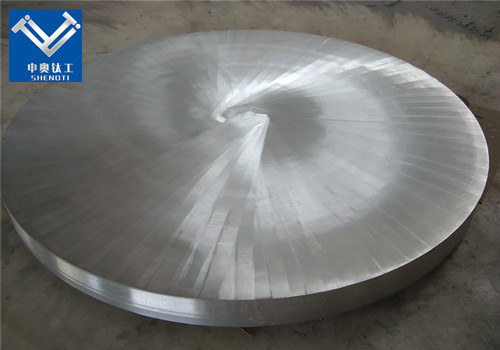
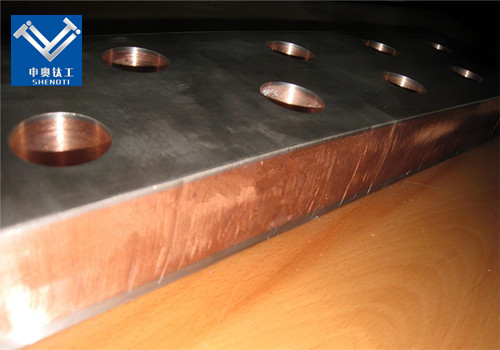
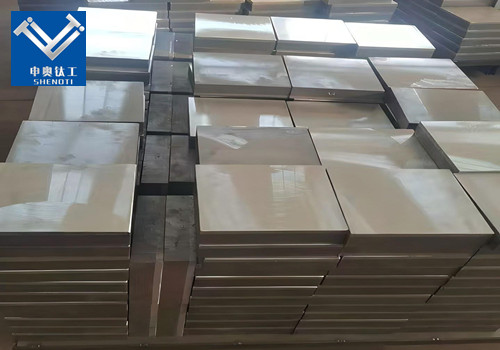
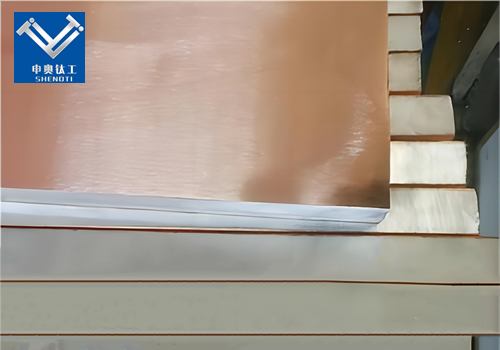
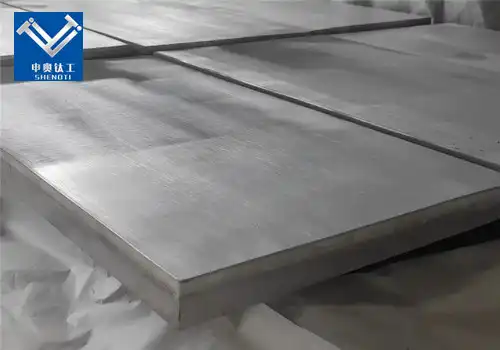
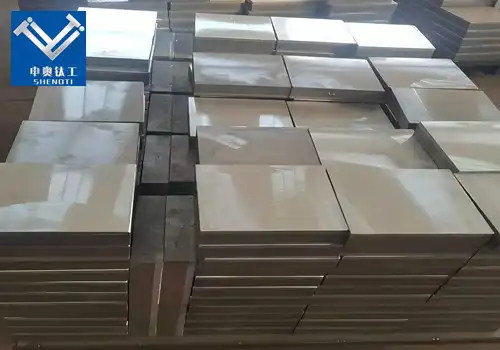
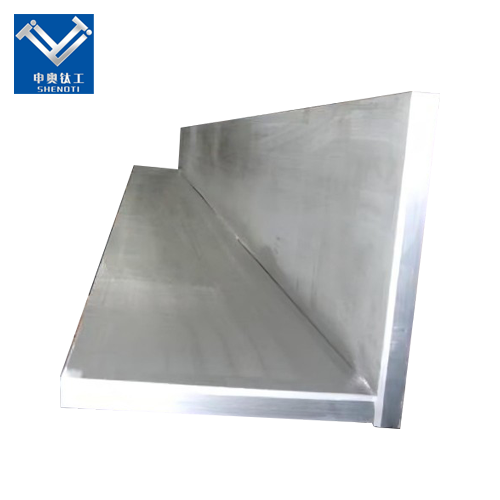
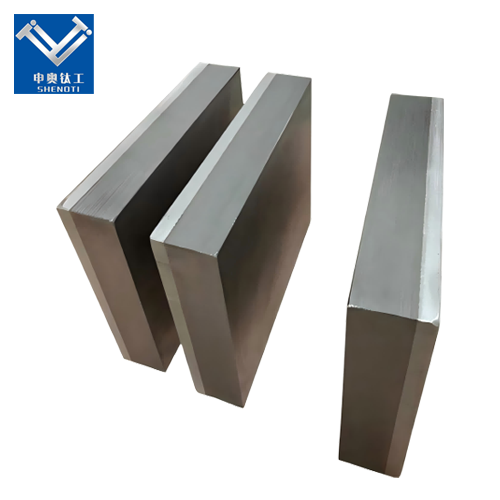
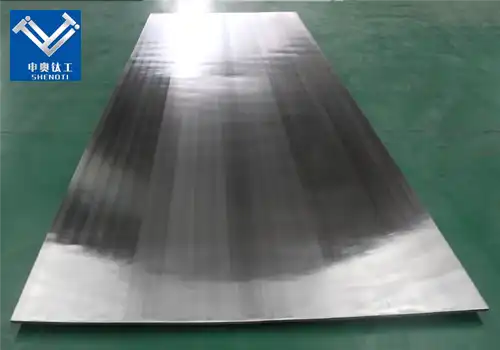
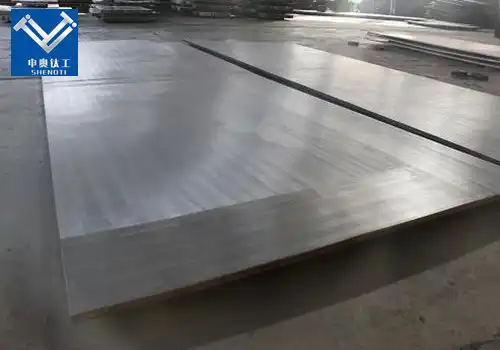
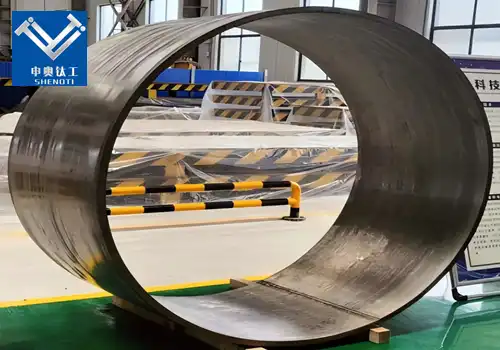
Bimetallic Aluminum DT4 Clad Plate


Electrical Conductivity:Excellent、Moderate
Magnetic Properties:Non-magnetic、Excellent soft magnetic behavior
Density:Lightweight、Heavier than aluminum
Corrosion Resistance:High、Low (needs protection)
Thermal Conductivity:High、Good
Bimetallic Aluminum DT4 Clad Plate: Engineered Composite for Electromagnetic and Structural Applications
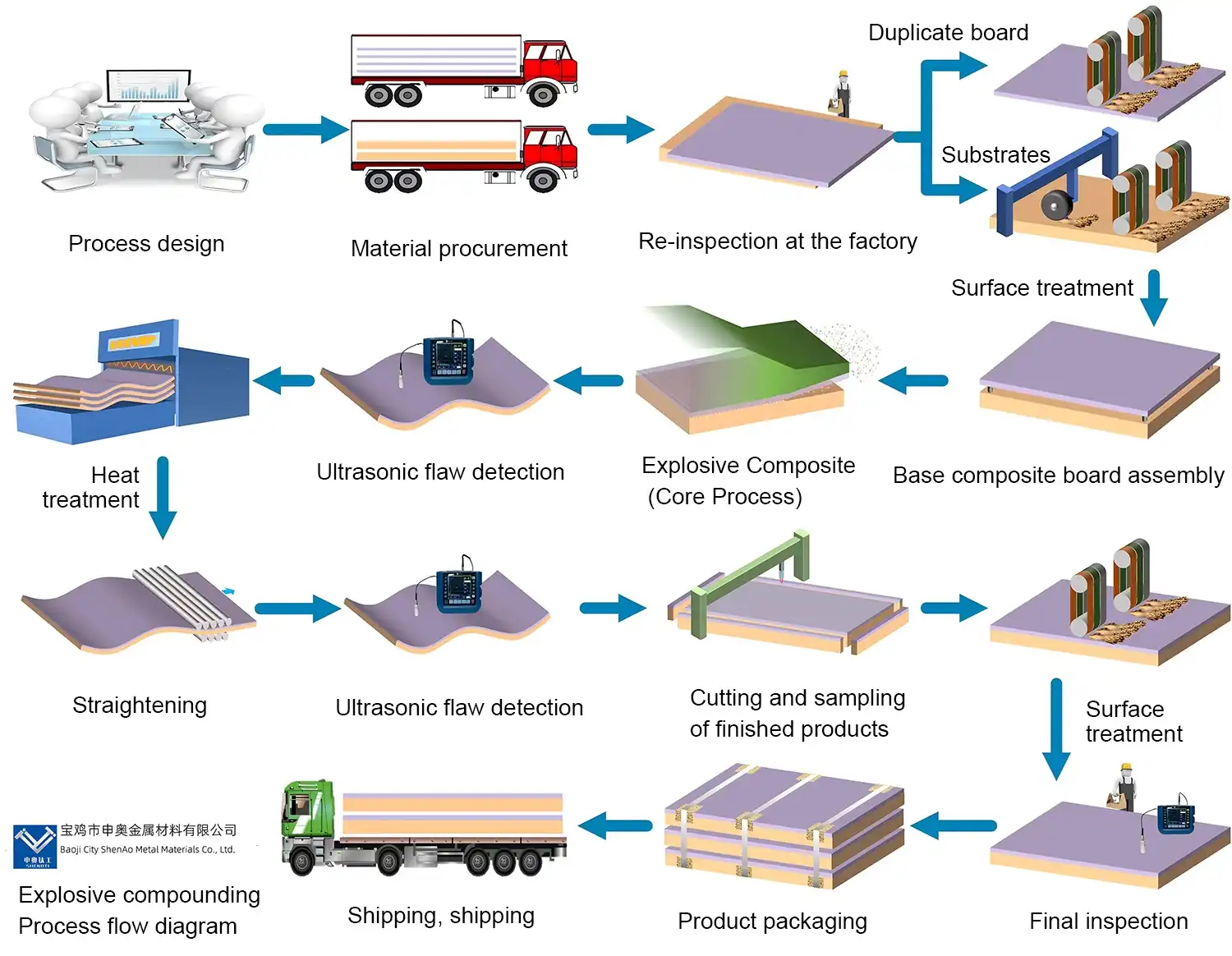
Bimetallic Aluminum DT4 Clad Plate from Baoji City ShenAo Metal Materials delivers exactly that. Manufactured through advanced explosive cladding technology, our composite plate metallurgically bonds electromagnetic pure iron (DT4) with aluminum to create an atomic-level union. You get exceptional bond shear strength of ≥60-80 MPa, magnetic induction exceeding 1.5T, and electrical conductivity above 60% IACS. This proven solution achieves 30-50% weight reduction compared to solid iron plates while maintaining structural integrity under extreme thermal cycling.
What Makes This Composite Material Different?
This clad plate solves a critical engineering challenge you face every day: joining dissimilar metals without compromising performance.
Traditional mechanical fasteners create interfacial resistance and galvanic corrosion. Welding aluminum to steel? Nearly impossible without defects.
Our product eliminates these headaches entirely.
The DT4 layer brings superior magnetic permeability for electromagnetic applications. The aluminum side delivers lightweight structure and excellent conductivity. Between them lies a metallurgical bond stronger than most adhesives or mechanical joints.
You can machine it, drill it, and form it like standard plate material. No special handling required for most operations.
 |
 |
 |
Technical Specifications at a Glance
|
Property
|
DT4 Layer (Pure Iron)
|
Aluminum Layer
|
|
Electrical Conductivity
|
Moderate
|
Excellent (≥60% IACS)
|
|
Magnetic Properties
|
Excellent soft magnetic (Bs ≥1.5T, Hc ≤40 A/m)
|
Non-magnetic
|
|
Density
|
Heavier than aluminum
|
Lightweight (2.7 g/cm³)
|
|
Corrosion Resistance
|
Low (requires protection)
|
High
|
|
Thermal Conductivity
|
Good
|
High
|
|
Bond Strength
|
60-80 MPa shear strength at interface
|
60-80 MPa shear strength at interface
|
|
Weight Advantage
|
—
|
30-50% reduction vs. solid iron
|
Where You'll Use This Material?
Electrical Distribution Systems
When you're planning transport bars or conveyance boards, weight and conductivity matter. The aluminum center carries tall streams proficiently whereas minimizing voltage drop. The DT4 layer gives attractive protecting where needed.
Electromagnetic Component Manufacturing
Need components for transformers, inductors, or attractive sensors? The DT4 side offers moo coercive drive and tall attractive acceptance. The aluminum backing gives auxiliary back and warm dissipation.
Transition Joints in Mixed-Metal Assemblies
You can't weld aluminum to steel dependably. But you can weld aluminum to our aluminum side, and steel to our DT4 side. This makes consistent moves in complex gatherings where diverse fabric properties are required in distinctive zones.
Shielding Applications
Electromagnetic impedances is all over. This composite gives you attractive protecting on one side and lightweight structure on the other. Idealize for walled in areas, boards, and defensive boundaries.
 |
 |
 |
 |
 |
 |
 |
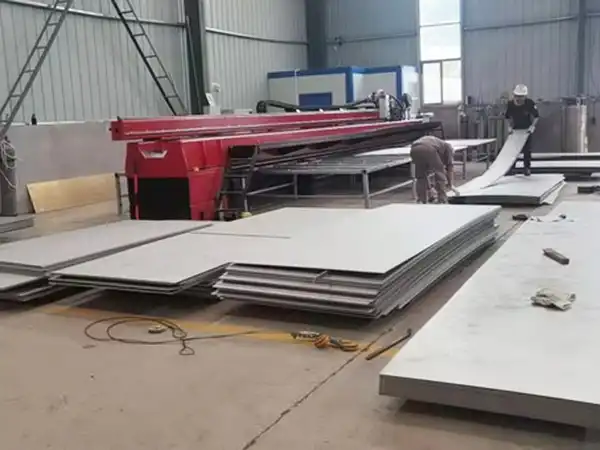
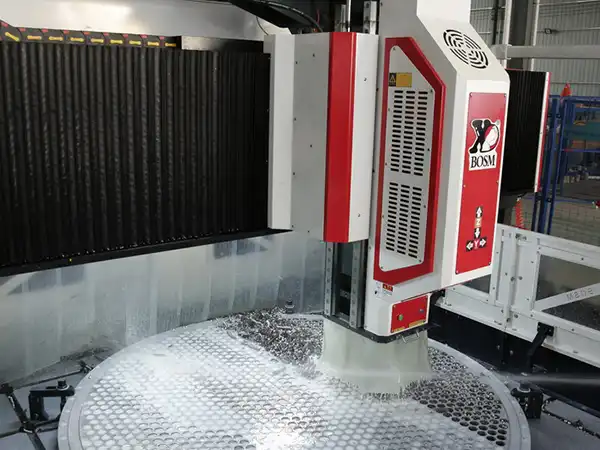
Product production process
Why Choose ShenAo Metal Materials?
Since 2008, we've specialized in non-ferrous metal composite materials from our facility in China's Titanium Valley.
You benefit from our 17 years of explosive welding expertise. Every Bimetallic Aluminum DT4 Clad Plate undergoes strict quality testing to ensure bond integrity, dimensional accuracy, and material properties meet specification.
We work with hundreds of gear producers and electrochemical ventures. Numerous assign us as their favored long-term supplier.
Custom details? Not a issue. We tailor thickness proportions, measurements, and surface wraps up to your correct prerequisites. Whether you require test amounts for testing or full generation runs, we provide on plan.
 |
 |
 |
 |
 |
 |
 |
 |
 |
Application Industries
 |
 |
 |
 |
 |
 |
 |
 |
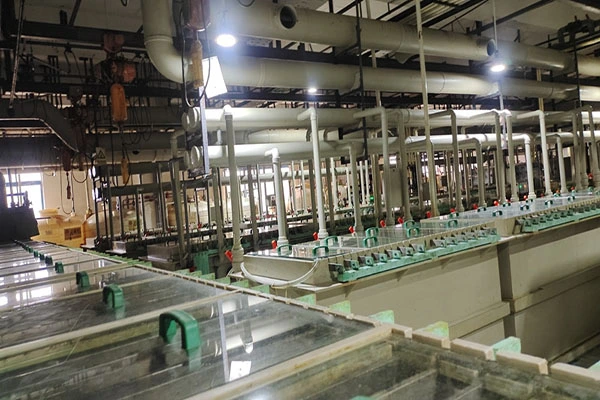
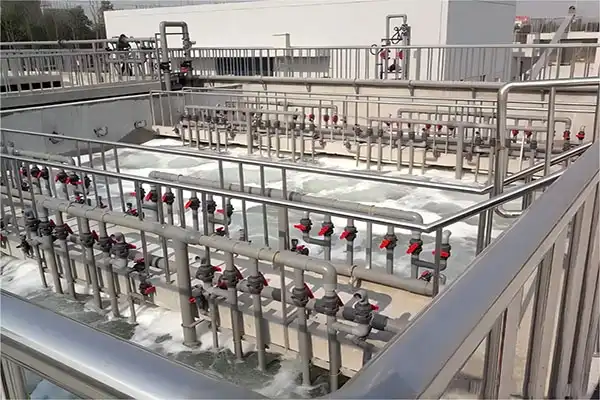
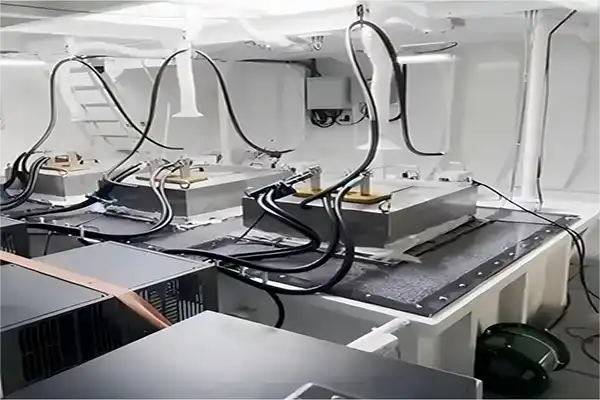
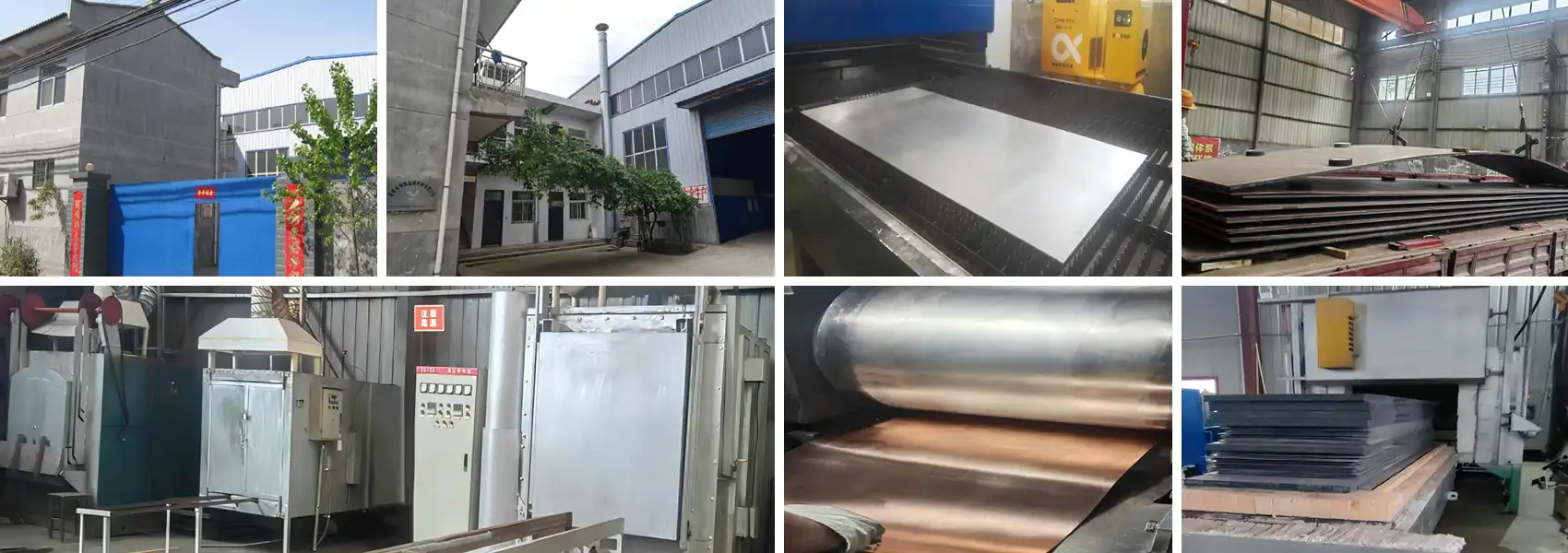
Our Factory
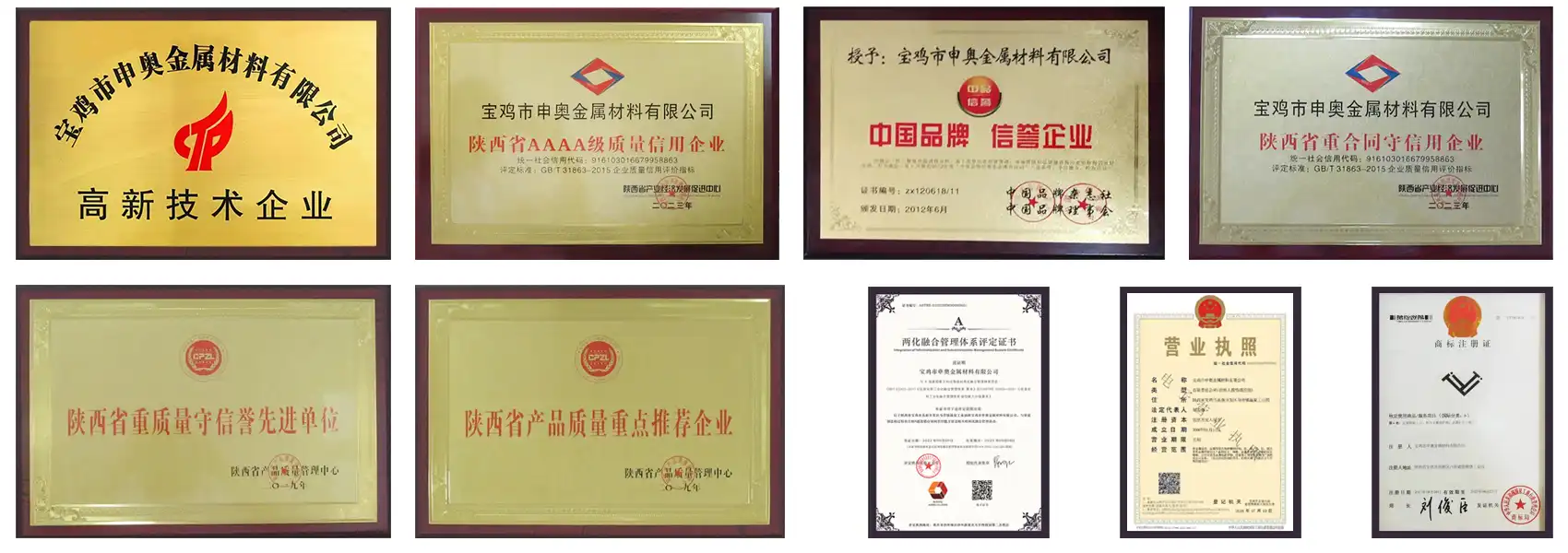
Our Patents and Honors

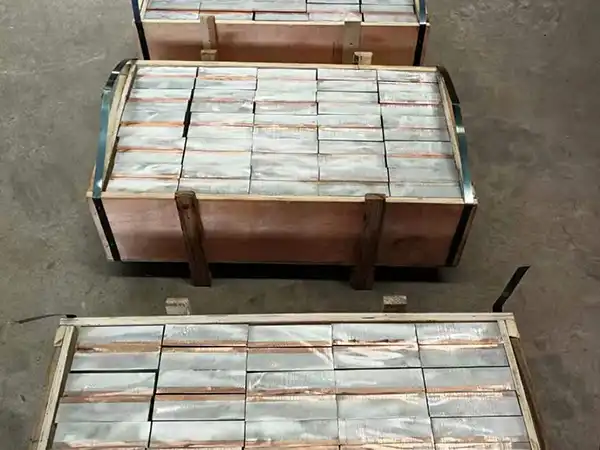
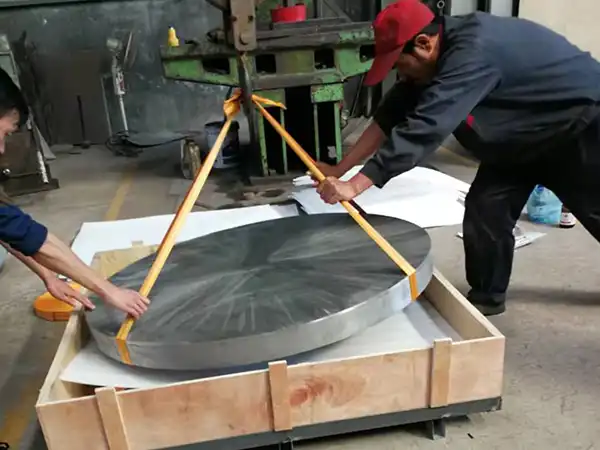
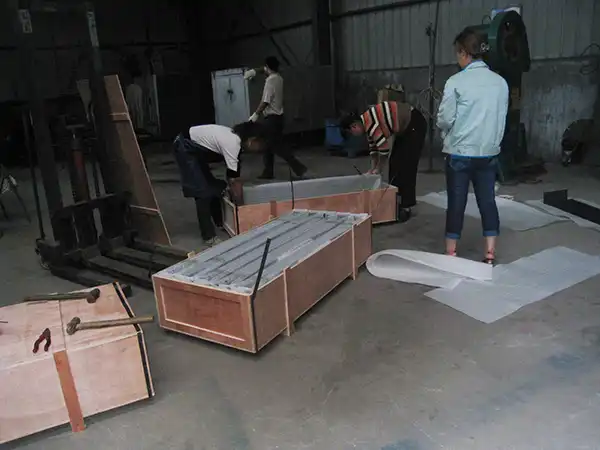
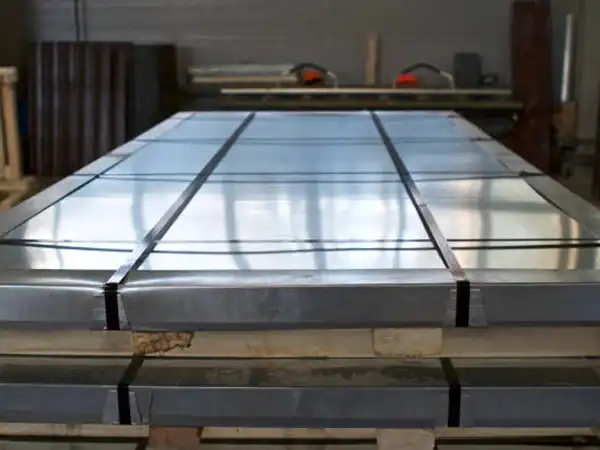
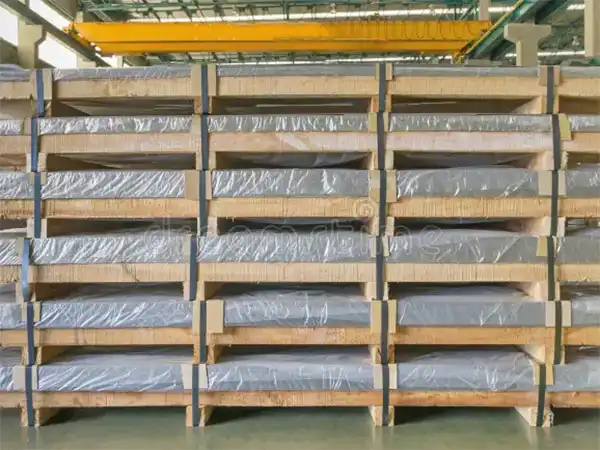
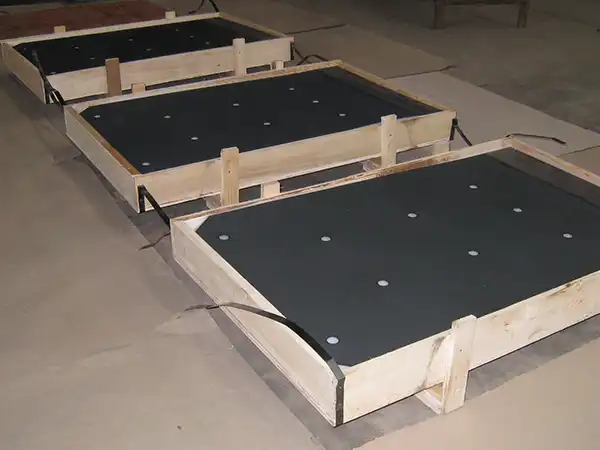
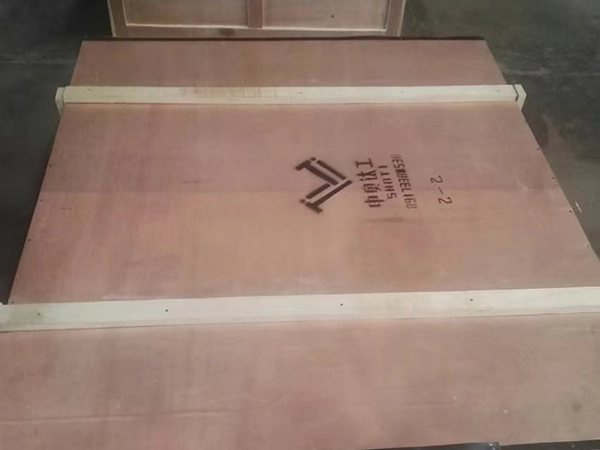
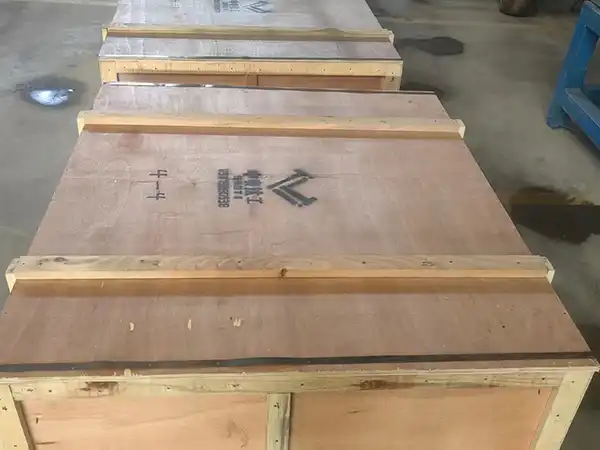
 Our Packaging
 |
 |
 |
 |
 |
 |
 |
 |
 |
 |
Frequently Asked Questions
Can this fabric be welded?
Yes. You can weld utilizing TIG, MIG, or laser strategies. The aluminum side takes after standard aluminum welding parameters. The DT4 side welds like mellow steel. Fair maintain a strategic distance from welding over the bond interface.
What happens at tall working temperatures?
The metallurgical bond remains steady up to 300°C. Past this point, intermetallic compounds may start shaping at the interface. For most mechanical applications, this temperature ceiling gives adequate security margin.
How does it compare to plated materials?
Unlike lean surface plating, our clad plate highlights a considerable layer of each metal. You can machine, crush, and shape it without uncovering a base fabric. The bond won't peel or delaminate beneath mechanical stress.
What thickness proportions are available?
Standard arrangements extend from 20:80 to 50:50 (DT4:aluminum by thickness). We customize proportions based on whether you prioritize attractive properties or lightweight conductivity.
Does it meet worldwide standards?
Our fabricating handle adjusts with ASTM B898 for clad metal items. We give fabric certificates with each shipment archiving chemical composition, bond quality, and mechanical properties.
Is it cost-effective for littler projects?
Material fetched sits between unadulterated aluminum and strong DT4 plate. Your genuine reserve funds come from killing joint disappointments, diminishing framework weight, and amplifying hardware benefit life. Indeed modest-sized establishments see ROI inside the to begin with upkeep cycle.
Contact Us for Custom Solutions
Ready to solve your Bimetallic Aluminum DT4 Clad Plate dissimilar-metal joining challenges? Reach out to our technical team at zh@baojiti.com.cn to discuss your specific application requirements.
YOU MAY LIKE
_1752287642525.webp "Aluminum stainless steel clad plate")
_1735019249058.webp "Zirconium alloy steel clad plate")