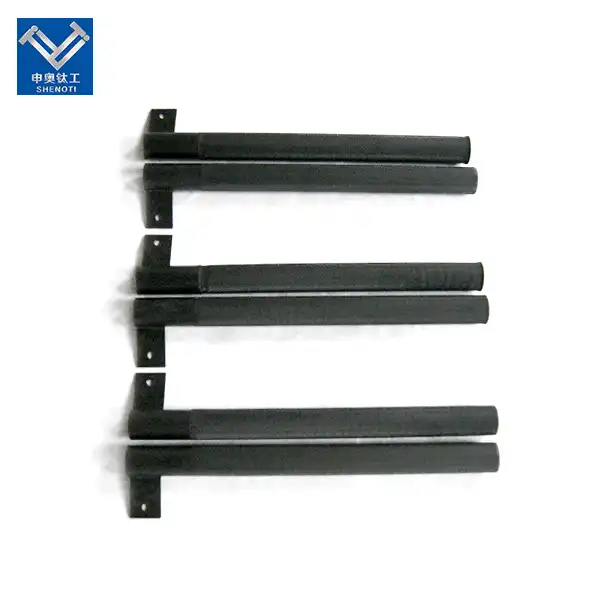
ClO₂ Generator Titanium Anode


Coating: Mixed Metal Oxide (MMO)
Coating Structure: Dense and highly conductive catalytic layer
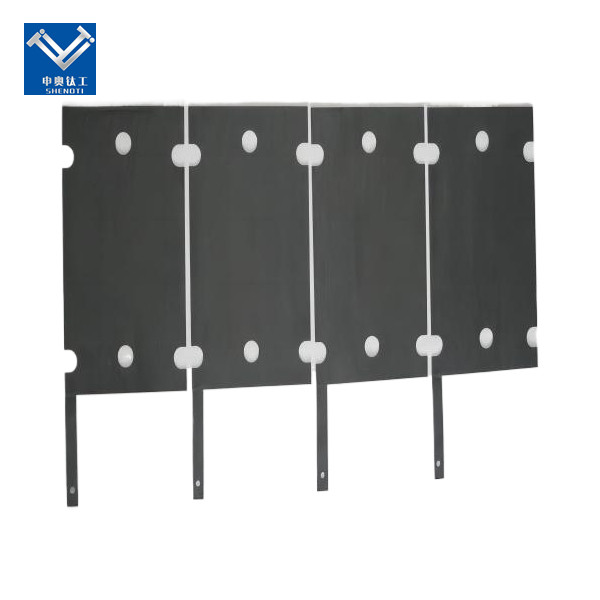
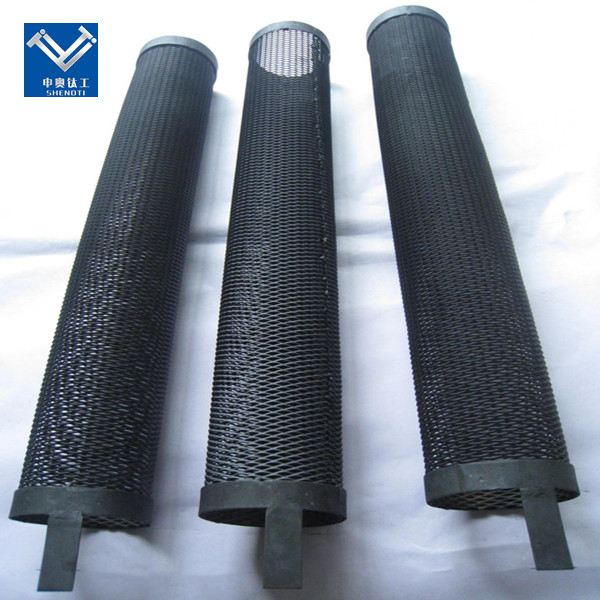
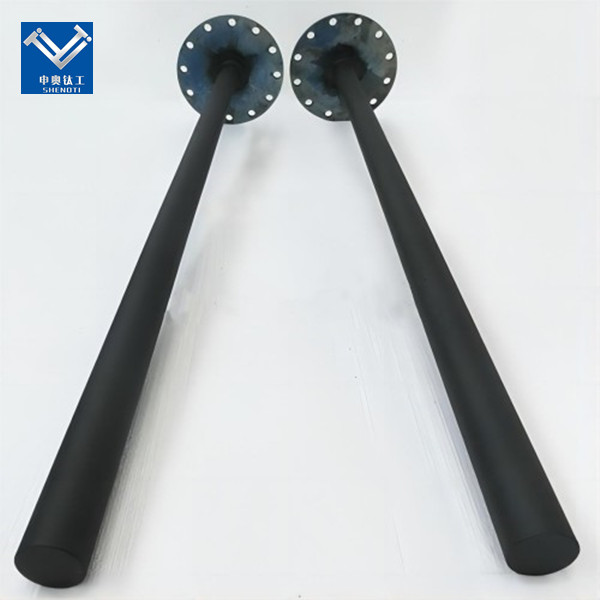
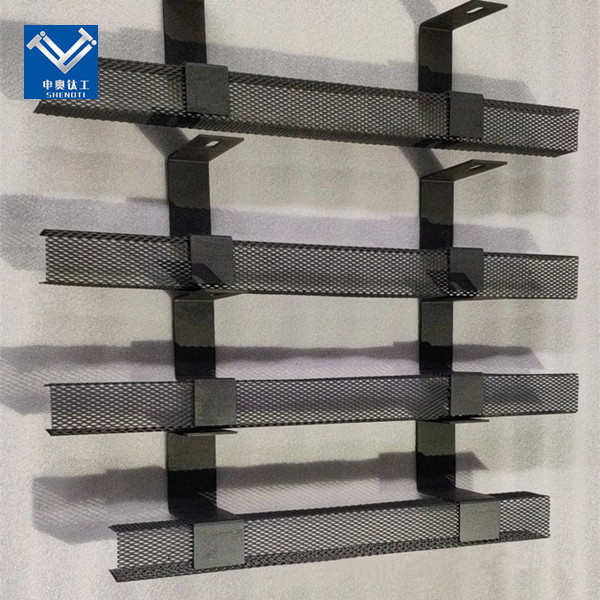
Custom made: Plate, Mesh, Tube, and Customed
Expected Lifespan: Designed for sustained performance over prolonged operational cycles
Advantage:
High electrocatalytic activity
Strong corrosion resistance
Long service life
Dimensionally stable
ClO₂ Generator Titanium Anode
In electrolytic chlorine dioxide generators, the catalytic activity and durability of the anode directly determine the generation efficiency and purity of chlorine dioxide, as well as the long-term operational reliability of the equipment. Our ClO₂ Generator Titanium Anode at Baoji City ShenAo Metal Materials Co., Ltd. is designed specifically for the core electrolysis assembly of electrolytic chlorine dioxide generation units. It uses Grade 1 or Grade 2 pure titanium as the substrate, with a noble metal oxide catalytic coating on the surface. The coating maintains stable electrocatalytic activity in precursor solutions containing chlorite or chlorate, efficiently promoting the migration of chlorite or chlorate ions to the anode surface and their oxidation to generate chlorine dioxide. The anode maintains a stable chemical state during operation, minimizing the risk of by-product formation and metal ion dissolution, making it suitable for electrolytic chlorine dioxide generation equipment used in drinking water disinfection, food processing, medical hygiene, and industrial circulating water treatment, serving as a reliable electrode solution for ensuring chlorine dioxide gas purity and long-cycle stable equipment operation.
Technical Specifications
|
Substrate Material |
Grade 1/2 Pure Titanium |
|
Coating Type |
Iridium-based (IrO₂), Iridium-Tantalum (IrO₂-Ta₂O₅), or Ruthenium-Iridium (RuO₂-IrO₂), customized per precursor type and process conditions |
|
Coating Thickness |
5–20 μm (adjusted based on current density and electrolyte composition) |
|
Coating Loading |
10–200 g/m² (customized for rated gas output) |
|
Current Density Range |
100–2,000 A/m² (adjusted based on generator specification and gas output) |
|
Operating Voltage Window |
0.8 V–3.5 V (typical chlorine dioxide generation potential range) |
|
Anode Shapes |
Plate, Mesh, Tube, Perforated Plate, Custom |
|
Applicable Precursors |
Sodium chlorite (NaClO₂), sodium chlorate (NaClO₃), mixed precursor solutions |
Why Choose Our Titanium Anodes?
- Efficient Catalysis of Chlorite Oxidation for Chlorine Dioxide Generation
The core reaction in electrolytic chlorine dioxide generators is the loss of electrons by chlorite ions at the anode surface to form chlorine dioxide through oxidation. Our iridium-based coating exhibits high catalytic activity for this oxidation reaction, efficiently generating chlorine dioxide at low overpotential in sodium chlorite or sodium chlorate precursor solutions, while effectively suppressing the oxygen evolution side reaction to improve current efficiency and gas purity. The coating formulation can be optimized based on precursor type and process conditions to ensure stable catalytic performance across different reaction systems. - High-Purity Gas Output for Disinfection Efficacy and Safety
The purity of electrolytically generated chlorine dioxide is directly related to disinfection efficiency and the risk of by-products. Our anode coating maintains a stable chemical state during electrolysis, minimizing the dissolution of metal ions into the reaction solution and preventing catalytic side reactions that could generate chlorine gas, chlorate, and other undesirable by-products. For applications with strict chlorine dioxide purity requirements such as drinking water disinfection and food processing, this clean electrode material system helps ensure gas quality and hygienic safety. - Long-Term Chemical Stability in Oxidizing Precursor Solutions
Sodium chlorite and sodium chlorate are both strongly oxidizing media, exerting continuous oxidative attack on electrode materials. Our iridium-based and iridium-tantalum coatings maintain a low corrosion rate and good structural integrity in such strongly oxidizing solutions, without significant component dissolution or passivation due to prolonged immersion and intermittent electrolysis operation, making them suitable for long-cycle stable operation of chlorine dioxide generators. - Diverse Anode Configurations for Different Generator Designs
We can supply plate, mesh, tubular, and perforated plate anodes, compatible with diaphragm electrolyzers, single-chamber electrolyzers, and flow-through reactors. For small-scale drinking water disinfection equipment, compact plate or mesh anode assemblies are available; for large-scale industrial chlorine dioxide generation units, custom-sized perforated plate or tubular anodes can be provided. Based on your precursor type, gas output, and equipment structure, anode profiles, conductive connection methods, and mounting interfaces can be customized.
|
|
|
|
|
|
|
|
|
|
|
|




Real-World Applications
- Drinking Water Disinfection Equipment Manufacturing: Used in electrolytic chlorine dioxide generators for municipal water supply, rural centralized water supply, and emergency water supply systems, covering small integrated disinfection equipment and large-scale water plant chlorine dioxide generation units, providing high-purity chlorine dioxide online preparation solutions for drinking water disinfection.
- Food Processing Hygiene and Disinfection: Used in chlorine dioxide disinfection equipment for food processing plants, beverage production lines, and cold chain logistics, covering online chlorine dioxide generation units for raw material washing, equipment surface disinfection, and packaging material sterilization.
- Medical and Healthcare Disinfection Equipment: Used in chlorine dioxide generation units for hospitals, disease control centers, and public health facilities, covering online chlorine dioxide preparation for medical device disinfection, environmental air disinfection, and medical wastewater treatment.
- Industrial Circulating and Cooling Water Treatment: Used in chlorine dioxide generation units for industrial circulating cooling water systems, covering online biocide and biofilm control equipment for the petrochemical, power, and steel industries.


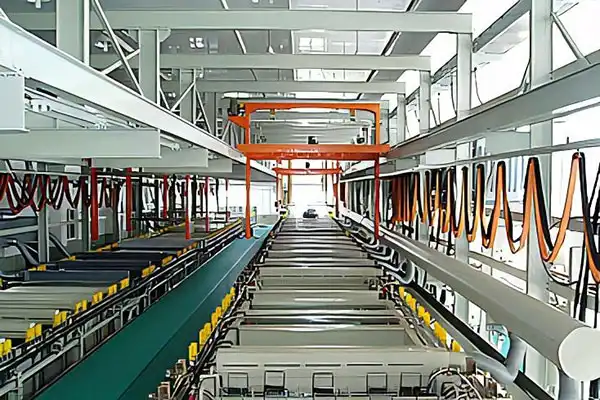
The ShenAo Advantage
18 Years of Fabricating Excellence
Since 2008, we've specialized in valuable metal coated titanium anodes from our office in Baoji's "China Titanium Valley." Our develop bimetallic hazardous welding innovation and progressed coating forms provide items you can trust.
Customization for Your Correct Needs
Every generation line is diverse. We give custom fitted arrangements coordinating your particular current thickness necessities, electrolyte composition, and operational parameters. Whether you require little bunch testing or full-scale generation amounts, we convey on time.
Cost-Effective Lifecycle Management
When coating exhaustion happens, you do not dispose of the whole anode. Our proficient recoating benefit strips the ancient oxide layer, sandblasts the substrate, and reapplies new MMO coating. This expands resource life and decreases your add up to taken a toll of proprietorship considerably.

Frequently Asked Questions
Q: What is the difference in anode coating selection between the sodium chlorite method and the sodium chlorate method in electrolytic chlorine dioxide generators?
A: The sodium chlorite method can oxidize chlorite to chlorine dioxide at relatively low potential, typically using iridium-based coatings to ensure catalytic selectivity and chemical stability. The sodium chlorate method requires reducing and activating chlorate to chlorite under high potential and strongly acidic conditions before subsequent oxidation, with the anode primarily facilitating the oxygen evolution reaction. Iridium-tantalum coatings are typically selected to meet the durability requirements under strong acid and high oxygen evolution conditions. You can provide your precursor type and process conditions, and our engineers will recommend a matched solution.
Q: What factors affect the chlorine dioxide gas purity produced by the anode?
A: It primarily depends on the catalytic selectivity of the anode coating, precursor purity, and electrolysis process parameters. Stronger suppression of the oxygen evolution side reaction by the coating leads to higher chlorine dioxide current efficiency and fewer by-products. Excessively high impurity content, such as chloride ions in the precursor solution, can also lead to chlorine gas by-product formation. We recommend using high-purity precursor materials and optimizing current density and electrolyte flow rate to achieve high chlorine dioxide purity.
Q: What factors affect the service life of the anode?
A: Key factors include precursor concentration, operating current density, temperature, and impurity content in the electrolyte. Both sodium chlorite and sodium chlorate are strongly oxidizing media, exerting continuous oxidative attack on the coating during long-term operation. The presence of metal ions such as iron and manganese in the electrolyte may catalyze side reactions and accelerate coating degradation. We recommend periodically monitoring cell voltage trends to anticipate coating condition and replacement timing.
Q: How should anodes be handled when the coating reaches the end of its service life?
A: The titanium substrate remains stable in the oxidizing precursor solutions. The old coating can be chemically stripped, and once the substrate passes inspection, it can be recoated to restore performance to new-anode levels. We offer a full-service process including incoming inspection of used anodes, coating stripping, substrate treatment, and recoating.
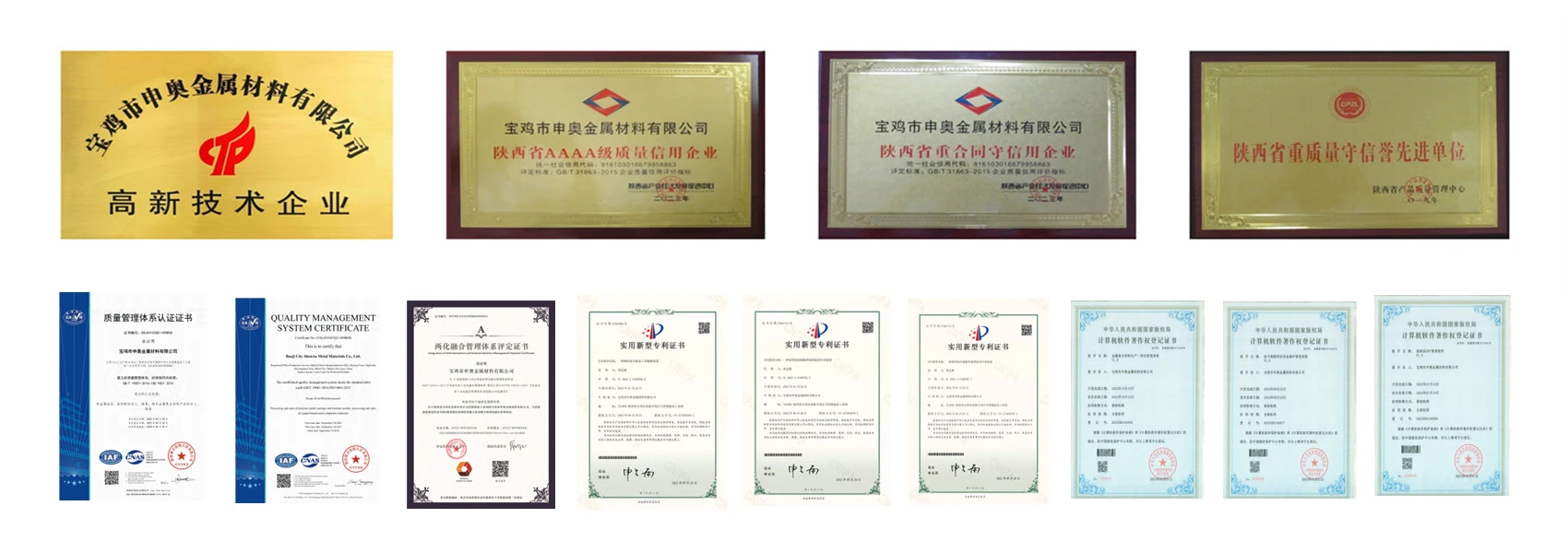
Contact Us
You need a partner who not only supplies products but also solves your challenges alongside you. Our team is ready to engage with your inquiries and provide a tailored solution. Share your specific needs or key requirements with us today, and let us help you efficiently transform your breakthroughs into commercial value.
Titanium Anode Manufacturer
Email: zh@baojiti.com.cn
WhatsApp: +86-15877696471 (updated)
Products: Titanium Anodes, MMO Titanium Anodes, DSA Coated Titanium Electrodes, Electrolysis Electrodes, Hydrogen Production Electrodes, Wastewater Treatment Titanium Anodes.