Why Copper Recovery from High-Chlorine Etching Solutions is Crucial
2026-05-26 15:18:14
Large quantities of copper-containing etching solutions are generated daily in the printed circuit board (PCB) manufacturing, metal surface treatment, and electronic etching industries. These solutions typically contain high concentrations of chloride ions, strong acids, and dissolved copper ions. Direct discharge wastes valuable copper resources, creates environmental stress, and increases wastewater treatment costs.
Compared to traditional recovery methods, titanium anodes offer a longer lifespan, more stable electrochemical performance, and better corrosion resistance in high-chlorine environments. For industrial electrolysis systems, selecting the appropriate titanium anode directly impacts copper recovery efficiency and operating costs.
What are Titanium Anodes for Copper Recovery from High-Chlorine Etching Solutions?
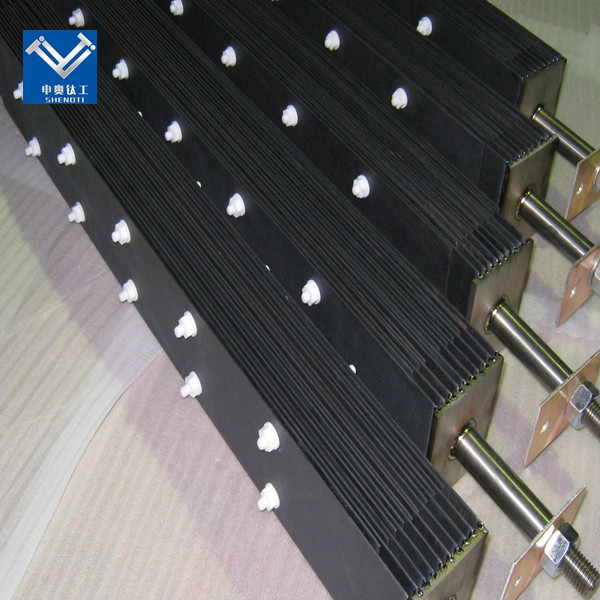
Titanium anodes for copper recovery from high-chlorine etching solutions are electrochemical electrodes made from a pure titanium substrate coated with mixed metal oxides (MMOs), ruthenium-iridium coatings, or other catalytic materials.
The titanium substrate is corrosion-resistant, and the catalytic coating improves conductivity and chlorine resistance during electrolysis.
In copper recovery systems, titanium anodes and cathodes work together to separate copper ions from the etching solution. During electrolysis:
Copper ions migrate towards the cathode.
Metallic copper is deposited and recovered.
The titanium anode remains stable under high-chlorine conditions.
The electrolyte can often be reused.
This process reduces waste and helps manufacturers recover valuable copper from their production lines.
How Titanium Anodes Work in Copper Recovery Systems
Electrochemical Copper Recovery Process
Titanium anodes used to recover copper from high-chlorine etching solutions maintain stable electrochemical reactions under highly corrosive conditions.
During electrolysis:
Copper ions dissolve in the etching solution.
A DC power supply is applied.
Copper ions migrate to the cathode.
Pure copper is deposited on the cathode surface.
The titanium anode supports the oxidation reaction.
Due to extremely high chlorine concentrations, ordinary metal electrodes corrode rapidly. Titanium anodes with a mixed metal oxide (MMO) coating resist chlorine corrosion and maintain long-term stable operation.
Challenges of High-Chlorine Environments
High-chlorine etching solutions typically contain:
Hydrochloric acid
Copper chloride
Ferric chloride
Chloride ions
Strong oxidants
These chemicals rapidly corrode conventional electrodes. Titanium anodes used for copper recovery from high-chlorine etching solutions exhibit excellent stability under these harsh conditions.
Advantages of Titanium Anodes for Copper Recovery
Corrosion Resistance
Titanium materials are corrosion-resistant. After being coated with mixed metal oxides, the electrodes exhibit extremely high resistance to chlorine and acidic electrolytes.
Titanium anodes for copper recovery from high-chlorine etching solutions are ideal for long-term industrial electrolysis.
High Current Efficiency
MMO-coated titanium anodes reduce oxygen evolution overpotential and improve current efficiency. This helps increase the rate of copper recovery while reducing energy consumption.
Long Service Life
Titanium anodes have a longer service life compared to graphite or lead-based electrodes.
Advantages include:
Reduced replacement frequency
Lower maintenance costs
Stable production operation
Reduced downtime
Stable electrochemical performance
High-quality titanium anodes used for copper recovery from high-chlorine etching solutions maintain stable conductivity and catalytic activity even under continuous operation.
Environmentally friendly solutions
Copper recovery technology reduces heavy metal emissions, supporting cleaner production processes.
Plants can:
Recover valuable copper
Reduce hazardous waste
Reuse etching solutions
Reduce environmental remediation costs
Common Coating Types for Titanium Anodes
Ruthenium-Iridium Coated Titanium Anodes
Ruthenium-iridium coatings are used in chlorine-containing electrolytes for:
Excellent chlorine evolution performance
High conductivity
Corrosion resistance
Long service life
This coating is commonly used for titanium anodes used to recover copper from high-chlorine etching solutions.
Iridium-Tantalum Coated Titanium Anodes
Iridium-tantalum coatings are suitable for systems requiring high oxygen evolution stability and long service life.
Mixed Metal Oxide (MMO) Coatings
MMO coatings combine multiple noble metal oxides to improve:
Catalytic activity
Corrosion resistance
Current distribution
Electrolysis efficiency
Technical Characteristics of Titanium Anodes
Titanium Substrate
Most electrodes use Grade 1 or 2 pure titanium, offering corrosion resistance and mechanical strength.
Optional Shapes
Titanium anodes for recovering copper from high-chlorine etching solutions can be customized in the following different shapes:
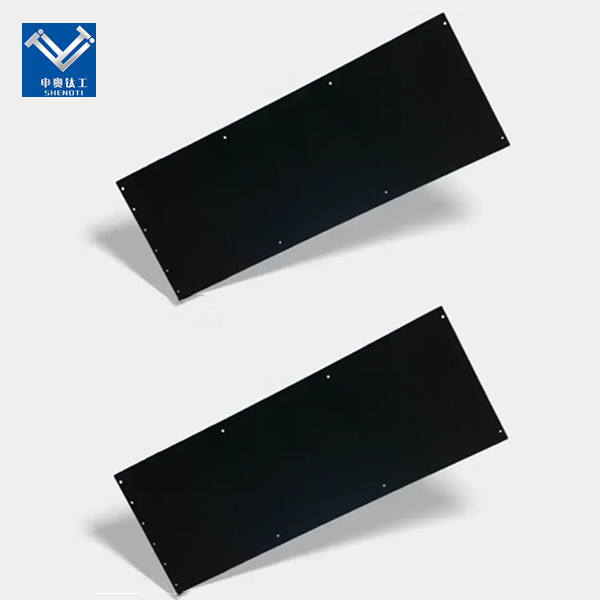
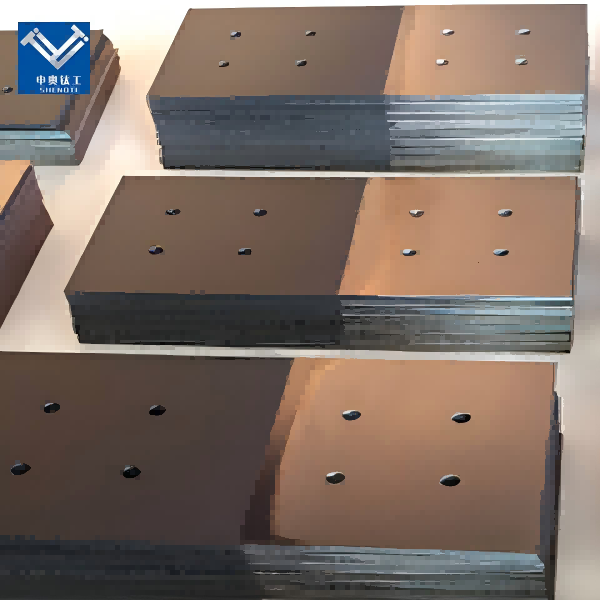
Titanium Plate Anode
Mesh Titanium Anode
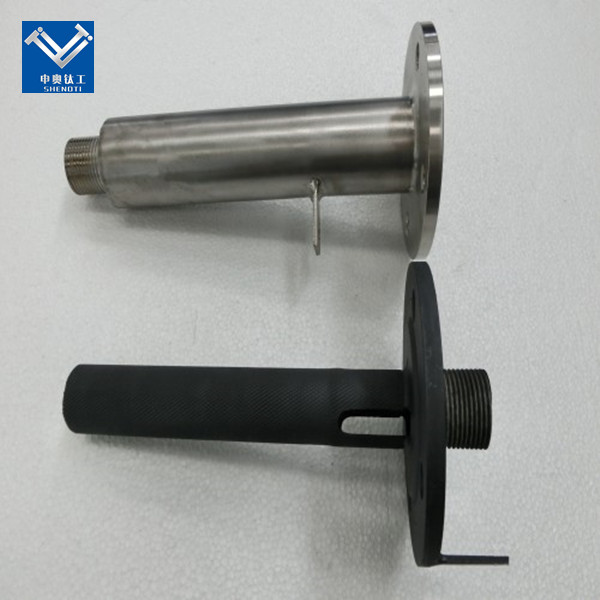
Tubular Titanium Anode
Rod Titanium Electrode
Expanded Mesh Electrode
Operating Conditions
Applications of Titanium Anodes in Copper Recovery
PCB Manufacturing Industry
PCB factories generate large amounts of copper chloride etching wastewater. Using titanium anodes to recover copper from high-chloride etching solutions helps to efficiently recover copper and reduce wastewater treatment costs.
Metal Etching Production Lines
Chemical etching plants use titanium anodes to recover copper from waste etching solutions, maintaining the stability of the electrolyte composition.
Electronic Component Manufacturing
Electronic component manufacturers use copper recovery systems to recover copper resources and reduce raw material consumption.
Electroplating Industry
Electroplating wastewater typically contains copper and chloride ions. Titanium anodes can improve recovery efficiency and system stability.
Why MMO Titanium Anodes Perform Better Than Traditional Electrodes
Comparison with Graphite Electrodes
Graphite electrodes are low-cost but have the following disadvantages:
Prone to corrosion
Short lifespan
Particle shedding
Unstable conductivity
Titanium anodes used for recovering copper from high-chloride etching solutions offer longer operational stability.
Comparison with Lead Alloy Electrodes
Lead alloy electrodes can cause environmental pollution and reduce current efficiency.
Titanium anodes are cleaner and more energy-efficient.
Factors Affecting Copper Recovery Efficiency
Current Density
Suitable current density can improve the copper deposition rate and surface quality.
Chloride Ion Concentration
High chloride ion concentration requires the use of highly corrosion-resistant titanium anodes.
Coating Quality
Catalytic coating determines:
Electrode Life
Conductivity
Electrochemical Activity
Corrosion Resistance
Electrolyte Temperature
Temperature affects ion migration and recovery efficiency.
How to Choose a Suitable Titanium Anode
When selecting a titanium anode for recovering copper from high-chloride etching solutions, the following factors should be considered:
Electrolyte Composition
Different etching solutions require different coating systems.
Operating Current
The electrode design must be matched to the required current density.
Tank Structure
The shape and size of the titanium anode should be matched to the electrolysis equipment.
Expected Service Life
Industrial users typically prefer long-life MMO titanium anodes to reduce maintenance costs.
Titanium Anode Maintenance Tips
Proper maintenance helps extend electrode life.
Regular Cleaning
Deposits on the electrode surface should be cleaned regularly to maintain conductivity.
Avoid Mechanical Damage
The coated surface should not be scratched during installation or operation.
Monitor Operating Parameters
Stable voltage and current improve electrode stability.
Use a Suitable Power Supply
A stable DC power supply improves electrolysis performance and protects the titanium anode coating.
Why More Industries are Choosing Titanium Anodes
Industrial users are increasingly choosing titanium anodes because of their advantages:
Stable electrolysis performance
Excellent resistance to chlorine corrosion
Long service life
Low operating costs
Better environmental performance
In copper recycling applications, titanium anodes help manufacturers recover valuable copper resources while improving production sustainability.
Titanium anodes used to recover copper from high-chlorine etching solutions are an important component of modern electrochemical copper recovery systems. With their superior corrosion resistance, high current efficiency, and long service life, MMO-coated titanium anodes have become the preferred choice for high-chlorine environments.
Whether in PCB manufacturing, chemical etching, or electronics production, titanium anodes help efficiently recover copper, reduce environmental impact, and lower operating costs.
As industrial recycling and environmental protection requirements continue to increase, titanium anode technology will play an even more important role in global copper recycling systems.
Email: zh@baojiti.com.cn
WhatsApp: +86-13636825659