Titanium Anodes for Electrolytic Metals – A High-Efficiency Solution
2026-04-29 14:15:23
In metal electrolysis—whether it's copper refining, zinc recovery, nickel plating, or precious metal recycling—the anode directly impacts efficiency, cost, and product quality.
Titanium anodes for electrolytic metals are durable, high-performance, have long operating times, and remain stable under harsh conditions.
A titanium anode for electrolytic metals is an electrode made of titanium and coated with a special catalytic material (such as mixed metal oxides (MMOs) or platinum group metals).
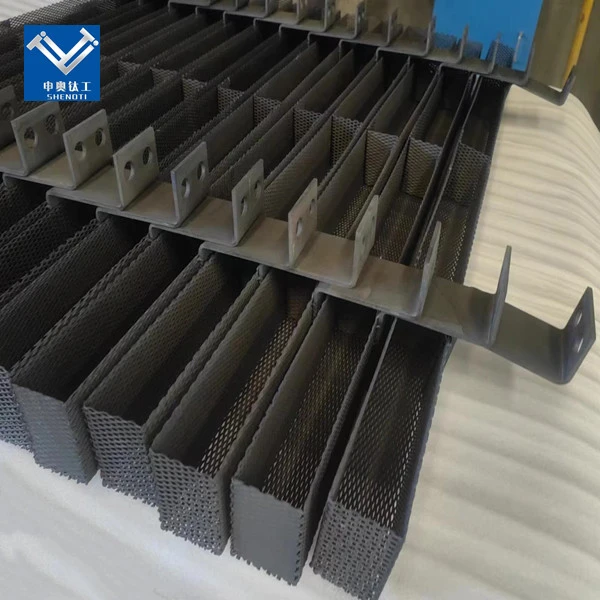
Titanium has the following advantages:
It is resistant to corrosion
It has high mechanical strength
It performs well in both acidic and alkaline environments
Its service life far exceeds that of traditional materials.
What is the role of the coating?
The coating is the "working layer," which:
Efficiently drives electrochemical reactions
Reduces energy consumption
Improves current distribution
Extends service life
Titanium = Structure, Coating = Performance
Main Applications of Titanium Anodes in Electrolytic Metals
1. Copper Electrolytic Refining and Electrolytic Extraction
One of the most common uses of titanium anodes is in copper electrolysis systems.
Working Principle:
Impuric copper dissolves at the anode.
Pure copper is deposited at the cathode.
Titanium anode ensures stable current and long-term stable operation.
Advantages:
No sludge pollution from lead-anodes.
Higher copper purity.
Lower maintenance costs.
Application Value:
Improved production efficiency.
Reduced downtime.
Enhanced product quality in high-end industries.
2. Zinc, Nickel, and Cobalt Electrolysis
Stability is crucial in non-ferrous metal extraction.
Applications:
Zinc electrolysis plants.
Nickel refining systems.
Cobalt recovery processes.
Advantages:
Uniform current distribution.
Reduced passivation problems.
Longer service life at high current densities.
Real Advantages:
Stable operation = predictable output = easier process control.
3. Electrolytic Metal Recovery from Wastewater
With increasingly stringent environmental regulations, metal recovery from wastewater is becoming an important industry.
Common Application Scenarios:
PCB Manufacturing Wastewater
Electroplating Rinse Water
Acidic Etching Solution
Functions of Titanium Anodes:
Recovering Copper, Nickel, Silver, and Other Metals
Reducing Hazardous Emissions
Achieving Resource Recycling
Application Value:
Turning Waste into Treasure
Reducing Processing Costs
Complying with Environmental Regulations
4. Precious Metal Electrolysis
The recovery of gold, silver, and platinum requires precision and stability.
Advantages of Titanium Anodes:
High Chemical Resistance
Does Not Contaminate Precious Metals
Stable Electrochemical Performance
Typical Application Industries:
Jewelry Manufacturing
Electronic Product Recycling
Mining Refining Systems
Results:
Higher Recovery Rate
Higher Purity
Reduced Precious Metal Loss
5. Aluminum and Specialty Metal Processing
Although aluminum electrolysis uses different systems, titanium anodes are widely used in:
Auxiliary Electrochemical Processes
Surface Treatment
Metal Finishing
Technological Advantages of Titanium Anodes in Electrolytic Metals
Long Service Life
Compared to traditional lead or graphite anodes:
Titanium anodes have a service life 2-5 times longer.
Coatings are resistant to wear and chemical corrosion.
Reduced replacement frequency = lower long-term costs.
High Current Efficiency
Carefully designed titanium anodes:
Reduce energy loss
Improve electrochemical reaction efficiency
Support high current density operation
Save electricity in large plants.
Strong Corrosion Resistance
Even under the following conditions:
Acidic electrolytes
Chloride environments
High-temperature environments
Titanium anodes remain stable.
Customizable Design
Each electrolysis system is different.
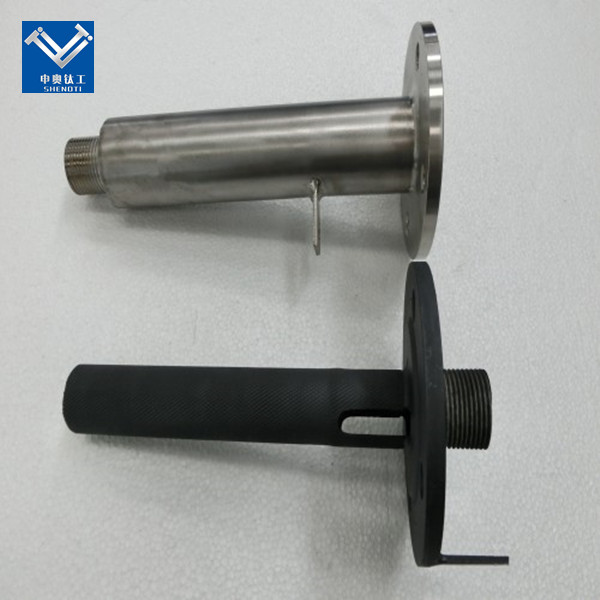
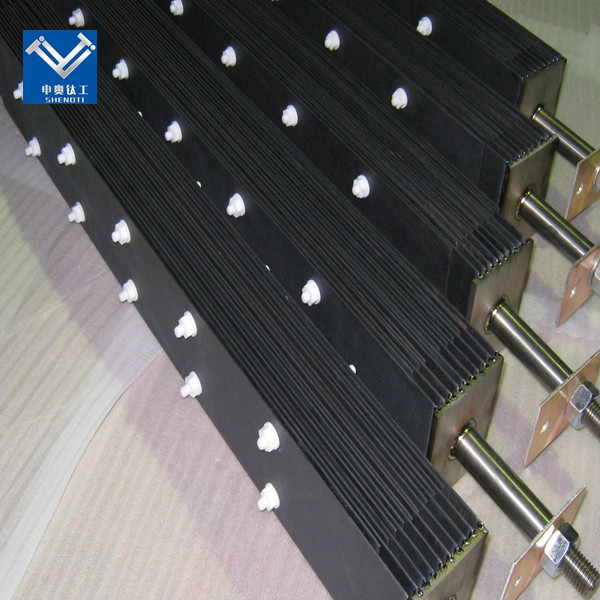
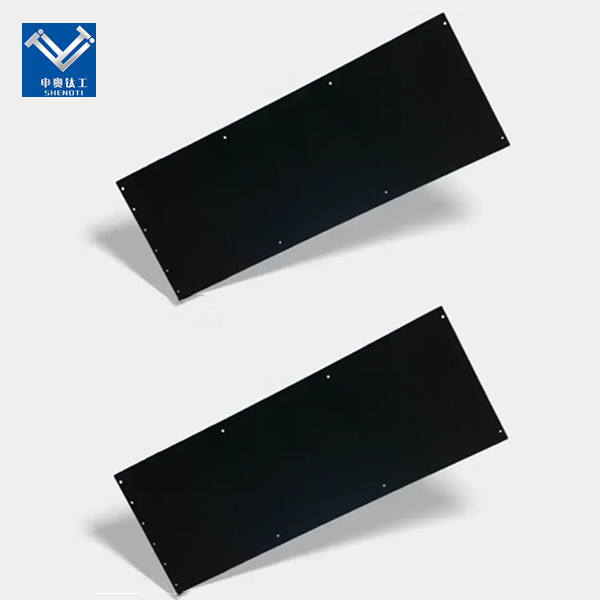
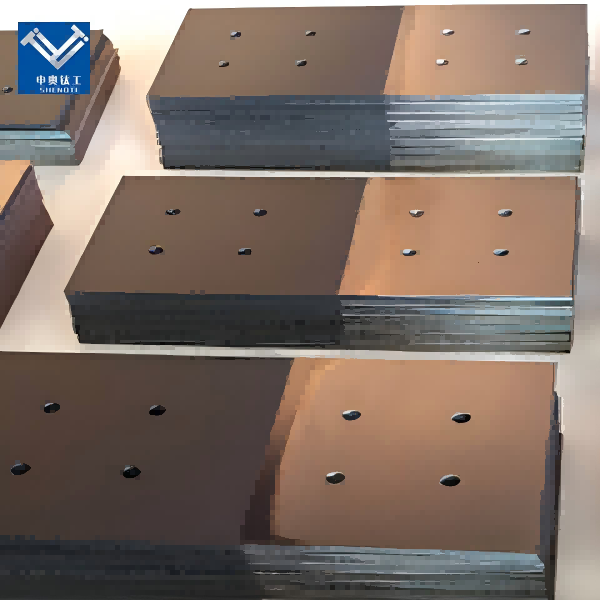
Titanium anodes can be customized in the following shapes:
Plate
Mesh structure
Tubular or rod shape
Coating type (MMO, Pt, Ir-Ta, etc.)
Customized solutions = better system compatibility
Typical Application Cases
Case Study: Copper Recovery from PCB Etching Solution
Problem:
A PCB factory generates a large amount of copper-containing etching waste liquid. Traditional Methods:
High processing costs
Significant environmental impact
Loss of valuable copper
Solution:
Install an electrolytic recovery system using titanium anodes to recover copper from the electrolyte.
Process Flow:
Waste liquid enters the electrolytic cell
Titanium anode ensures a stable oxidation reaction
Copper is deposited on the cathode plate
Recovered copper can be reused or sold
Results:
Copper recovery rate > 95%
Waste disposal costs reduced by 40%
Investment payback period is 6-12 months
This is a classic case of turning waste into treasure
1: Upgrading and Transformation of a Nickel Electrolytic Refinery
Challenges:
A nickel plant faced:
Frequent anode replacements
High energy consumption
Instable production
Upgrade Solution:
Use MMO-coated titanium anodes
Results:
Lifespan extended by 3 times
Energy consumption reduced by 15%
Significantly improved production stability
Key Success Factors: Suitable coating + reasonable system matching
Key Factors for Successful Application
To ensure the effectiveness of titanium anodes in electrolytic metals, the following three points are crucial:
1. Choosing the right coating
Different processes require different coatings:
Iridium-based coating → Oxygen evolution reaction
Platinum-based coating → High-efficiency precious metal system
Ruthenium-based coating → Chlorine Environment
2. System Design Matching
Anode performance depends on:
Current density
Electrolyte composition
Temperature
Flow conditions
Excellent suppliers help optimize these factors.
3. High-Quality Manufacturing
High-quality titanium anodes require:
Precision surface treatment
Uniform coating
Strict quality control
Why choose a professional titanium anode supplier?
Reliable suppliers not only sell products, but also provide solutions.
Expected Results:
Application-specific design support
Coating technology expertise
Long-term performance testing
Rapid customization and delivery
Service Value:
Reduced trial-and-error costs
Improved system efficiency
Ensuring long-term stable operation
Self-sustaining keyword coverage
Titanium Anodes for Electrolytic Metals
Electrolytic Electrode
Metal Electrolytic Extraction Anodes
Titanium Electrode for Metal Recovery
Electrolytic Copper Anodes
Electrochemical Wastewater Treatment Electrode
Titanium anodes for electrolytic metals are not just a component, but a key factor in improving efficiency, reducing costs, and achieving stable production.
Operating a copper refinery
Recovering metals from wastewater
Processing nickel, zinc, or precious metals
The right titanium anode can make a significant difference.
Ready to upgrade your electrolysis system?
If you are looking for:
More durable electrodes
Lower energy consumption
Higher metal recovery efficiency
Titanium anodes are a proven solution for metal electrolysis.
Contact us today for:
Custom anode design
Technical consultation
Application-specific advice
Transforming your electrolysis process into a highly efficient, low-cost, and sustainable system.