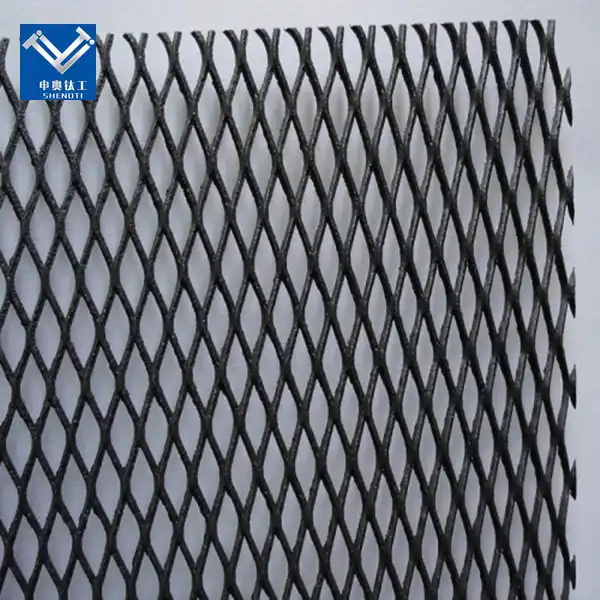
Titanium anode for electrolytic hydrogen production
2026-03-25 09:59:24
With the increasing global pursuit of clean energy, electrolytic hydrogen production has become a key pathway for the development of green hydrogen energy. The titanium anode for electrolytic hydrogen production is the main component that determines the efficiency and stability of the entire process. The unique advantage of titanium anodes has replaced traditional electrodes, promoting the upgrading of electrolytic hydrogen production technology.
Electrolytic hydrogen production requires electrodes to withstand harsh electrolysis environments, be corrosion-resistant, and maintain stable performance over the long term. The titanium anode used for electrolytic hydrogen production perfectly meets these core needs, providing reliable support for large-scale, low-cost green hydrogen production and becoming an indispensable part of the clean energy industry.
Application of titanium anode for electrolytic hydrogen production
The titanium anode used for electrolytic hydrogen production is adapted to different production scenarios and needs in various electrolysis technologies. In alkaline water electrolysis (AWE), the most mature and widely used hydrogen production technology, the titanium anode serves as the oxygen evolving electrode, which can accelerate the electrolysis reaction and improve hydrogen production efficiency.
In the promising proton exchange membrane electrolysis (PEM) technology, specially coated titanium anodes can ensure stable operation at high current densities and reduce energy losses during the electrolysis process. Titanium anodes are also used in solid oxide electrolysis (SOEC), which can adapt to high temperature working conditions and further expand the application scope of electrolytic hydrogen production.
The advantages of titanium anode in electrolytic hydrogen production
Compared with traditional graphite, lead, or stainless steel anodes, titanium anodes have irreplaceable advantages in electrolytic hydrogen production. Excellent corrosion resistance, able to resist the erosion of strong acids, strong alkalis, and high-temperature electrolytes, avoiding electrode damage and extending service life.
It is energy-saving and efficient. The low overpotential of titanium anode reduces the energy consumption of electrolytic hydrogen production and helps enterprises reduce operating costs. Titanium anodes have high current efficiency, which can more fully convert electrical energy into hydrogen gas. The lightweight and easy to install characteristics also reduce the maintenance cost of hydrogen production equipment.
The practical application value of titanium anode in electrolytic hydrogen production
Titanium anode electrolysis for hydrogen production has been validated in numerous industrial projects, bringing tangible benefits to enterprises. A large-scale green hydrogen production project in China uses iridium coated titanium anodes, which reduce hydrogen production energy consumption by 15% compared to traditional electrodes. The anode has a service life of over 5 years, significantly reducing replacement and maintenance costs.
In the European renewable energy hydrogen production project, titanium anodes are used to match wind and solar power generation, achieving stable electrolytic hydrogen production in the event of power supply fluctuations, ensuring the sustained and stable output of green hydrogen gas. These cases fully demonstrate the practical application value and market potential of titanium anodes in electrolytic hydrogen production.
With the rapid development of the green hydrogen energy industry, titanium anodes used for electrolytic hydrogen production play an important role. Solved the pain points of short lifespan and high energy consumption of traditional electrodes, in line with the concept of energy conservation and environmental protection. In the future, with the continuous optimization of coating technology, titanium anodes will further reduce the cost of electrolytic hydrogen