Copper-aluminum Bimetallic Transition Plate: A Simple Guide to Materials, Applications, and Benefits
2026-09-03 17:25:40
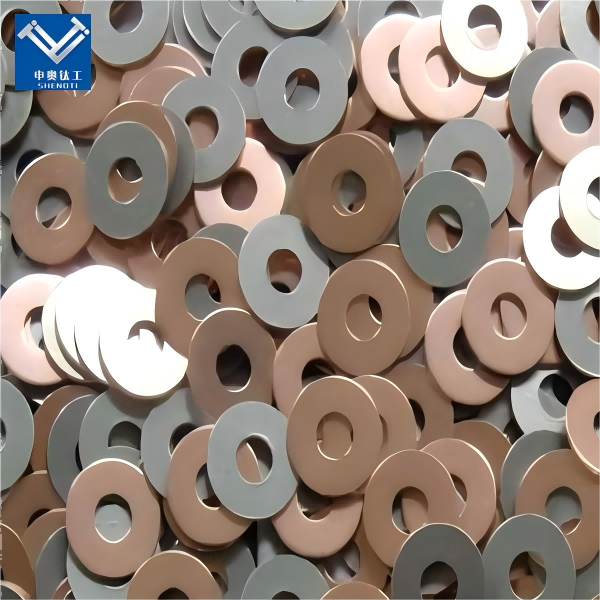
Copper-aluminum bimetallic transition plate is a specially bonded metal component that combines copper and aluminum into one reliable transition material. It provides a practical connection between copper and aluminum without simply relying on a mechanical contact between two different metals.
For electrical equipment manufacturers, power system integrators, busbar manufacturers, and industrial equipment suppliers, this type of bimetallic transition plate can make copper-aluminum connections safer, more stable, and easier to manufacture.
What Is a Copper-aluminum Bimetallic Transition Plate?
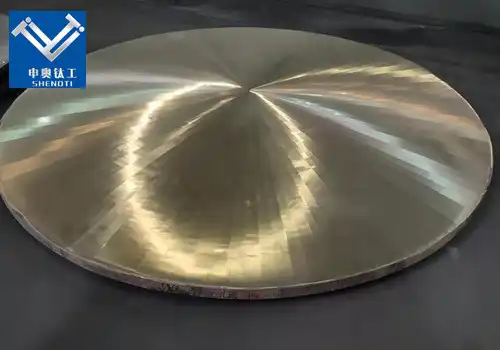
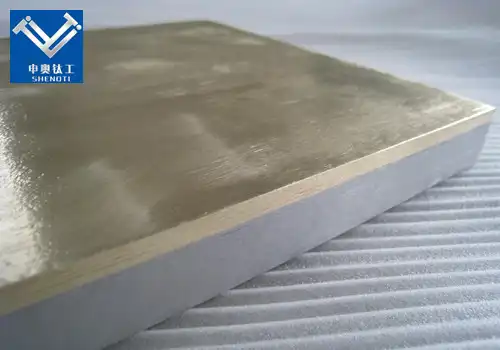
Copper-aluminum bimetallic transition plate is made by bonding a copper layer and an aluminum layer together to form a composite metal plate.
The basic idea is straightforward:
Copper provides excellent electrical conductivity and contact performance.
Aluminum provides low weight and cost advantages.
The bonded interface creates a stable transition between the two metals.
The finished plate can be machined into different shapes according to the application.
Unlike simply placing a copper plate against an aluminum plate, a bimetallic transition plate is designed to create a much more reliable metal-to-metal connection.
Depending on the project, manufacturers can produce different copper and aluminum thickness combinations, dimensions, and shapes.
Why Not Connect Copper and Aluminum Directly?
Copper and aluminum have different physical and electrochemical properties.
When copper and aluminum are directly connected, especially in a humid or corrosive environment, galvanic corrosion can become a concern. Their different coefficients of thermal expansion can also affect the connection when the equipment repeatedly heats and cools.
Another problem is that aluminum naturally forms an oxide layer on its surface. This oxide layer can increase contact resistance and affect electrical performance.
A Copper-aluminum bimetallic transition plate provides a dedicated transition area between the two metals, helping engineers build a more stable copper-aluminum connection.
How Does a Copper-aluminum Bimetallic Transition Plate Work?
The working principle is easier to understand if we look at a typical electrical connection.
Imagine one side of the electrical system uses copper and the other side uses aluminum. Instead of trying to connect the two materials directly, the transition plate acts as the bridge.
The copper side of the plate is connected to the copper component, while the aluminum side is connected to the aluminum component.
This creates a copper-to-copper connection on one side and an aluminum-to-aluminum connection on the other side.
The result is a practical transition between two different metals.
The Bonded Interface Is Important
The quality of the bonding interface is one of the most important factors when manufacturing a Copper-aluminum bimetallic transition plate.
A good interface should provide:
Strong metallurgical bonding
Low electrical resistance
Good mechanical strength
Stable performance during thermal cycling
Reliable long-term operation
For industrial applications, the bonding process must be carefully controlled. Surface preparation, bonding parameters, material selection, plate thickness, and quality inspection can all affect the final product.
How Are Copper and Aluminum Bimetallic Plates Manufactured?
There are several technologies that can be considered for joining copper and aluminum. For industrial bimetallic transition plates, solid-state bonding technologies are particularly useful because they can create a strong interface without simply melting the two metals together.
Explosion bonding, for example, can be used to produce large-area metallurgical bonds between dissimilar metals.
During the process, controlled explosive energy drives one metal plate toward another at a high velocity. Under carefully controlled conditions, the collision creates a metallurgical bond between the copper and aluminum surfaces.
The process does not depend on conventional melting and casting of the entire interface.
Explosion-Bonded Copper-Aluminum Transition Plate
An explosion-bonded Copper-aluminum bimetallic transition plate can offer a strong metallurgical interface and is suitable for applications where reliable dissimilar-metal connections are required.
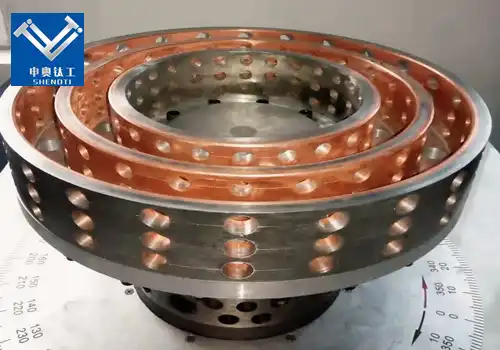
The final plate can then be cut, machined, drilled, bent, or processed into components according to the customer's drawings.
For industrial buyers, the advantage is that the material can be supplied as a standard plate or as a customized transition component.
Key Benefits of Copper-aluminum Bimetallic Transition Plates
The main reason engineers choose a Copper-aluminum bimetallic transition plate is simple: it makes copper-aluminum connections easier to design and more reliable to use.
1. Reliable Copper-Aluminum Connection
The plate provides a dedicated transition area between copper and aluminum.
Instead of trying to create a direct copper-aluminum contact, engineers can use the appropriate metal side for each connection.
2. Excellent Electrical Conductivity
Copper is widely used in electrical applications because of its high electrical conductivity.
By incorporating copper into the transition plate, the component can maintain good electrical conduction on the copper side while allowing connection to aluminum on the other side.
The actual electrical performance depends on material grade, thickness, interface quality, dimensions, connection method, and operating conditions.
3. Reduced Connection Problems
A properly designed bimetallic transition component can help reduce problems associated with directly joining dissimilar metals.
This is particularly useful in power distribution systems where connections may experience electrical current, heat, vibration, and environmental exposure.
4. Lightweight Aluminum Side
Aluminum is significantly lighter than copper.
Using aluminum where appropriate can help reduce the overall weight of electrical equipment and conductive components.
The Copper-aluminum bimetallic transition plate allows designers to take advantage of both materials rather than choosing only one.
5. Flexible Design
Bimetallic plates can be produced in different sizes and thickness combinations.
Depending on the application, customers may specify:
Copper thickness
Aluminum thickness
Overall dimensions
Plate shape
Hole locations
Surface finish
Connection configuration
This makes the material suitable for OEM and project-based applications.
Where Are Copper-aluminum Bimetallic Transition Plates Used?
The applications are mainly related to electrical systems, power equipment, and industrial connections where copper and aluminum need to work together.
Electrical Busbar Systems
Busbar systems often use copper or aluminum conductors depending on electrical requirements, weight, cost, and equipment design.
A Copper-aluminum bimetallic transition plate can be used where a copper busbar needs to connect with an aluminum conductor or component.
This creates a practical transition point while keeping the two materials on their respective sides.
Power Distribution Equipment
Power distribution cabinets, switchgear, substations, transformers, and other electrical equipment may contain both copper and aluminum components.
A bimetallic transition plate can be used at connection points where these materials meet.
The exact design should be selected according to current rating, temperature rise, mechanical loading, environment, and applicable electrical standards.
Transformers and Electrical Terminals
Transformer components can involve different conductive materials depending on the design.
Copper-aluminum transition components can provide a convenient connection between copper and aluminum conductors, terminals, or structural conductive parts.
Power Transmission and Substation Equipment
In power transmission and substation applications, reliable electrical connections are critical.
A properly manufactured Copper-aluminum bimetallic transition plate can be used as a transition component in equipment where copper and aluminum conductors must be joined.
Industrial Electrical Equipment
Industrial equipment manufacturers may use copper and aluminum for different reasons.
Copper may be selected for conductivity and connection performance, while aluminum may be preferred for weight or cost considerations.
The transition plate allows both materials to be incorporated into one engineered connection.
Copper-aluminum Bimetallic Transition Plate vs. Mechanical Copper-Aluminum Connection
A common question is whether a mechanical connection can simply replace a bimetallic transition plate.
In some applications, mechanical connectors can work well. However, the correct solution depends heavily on the operating environment and equipment design.
A mechanical connection may require additional considerations such as:
Contact pressure
Surface preparation
Fastener selection
Oxide removal
Anti-corrosion treatment
Thermal cycling
Maintenance requirements
A metallurgically bonded transition plate approaches the problem differently by creating a bonded copper-aluminum interface within the material itself.
This can simplify the design of certain transition connections.
How to Choose the Right Copper-aluminum Bimetallic Transition Plate
Choosing the right plate is not only about selecting copper and aluminum.
Engineers should consider the complete operating environment.
Material Grades
The copper and aluminum grades should match the electrical, mechanical, and environmental requirements of the application.
Thickness Ratio
Copper and aluminum thickness can be customized depending on current capacity, mechanical strength, weight, and connection design.
Plate Dimensions
The transition plate should match the required installation space and connection geometry.
For OEM applications, manufacturers can work from engineering drawings or technical specifications.
Operating Temperature
Electrical connections generate heat during operation. Thermal expansion and temperature cycling should therefore be considered during material selection and connection design.
Environmental Conditions
Humidity, salt spray, chemicals, outdoor exposure, and other environmental factors can influence long-term performance.
A suitable surface treatment or protective design may be required for demanding environments.
What Should Buyers Check Before Ordering?
For industrial procurement, it is useful to provide as much technical information as possible when requesting a quotation.
A supplier may need the following information:
Copper material grade
Aluminum material grade
Copper thickness
Aluminum thickness
Overall plate dimensions
Required quantity
Hole or machining requirements
Application environment
Electrical current or voltage requirements
Required testing or inspection standards
The more complete the information, the easier it is for the manufacturer to recommend the appropriate Copper-aluminum bimetallic transition plate.
Quality Control of Bimetallic Transition Plates
For a bimetallic product, checking only the appearance is not enough.
The bonding interface is especially important.
Depending on the application, quality control may include dimensional inspection, visual inspection, ultrasonic testing, metallographic examination, bond strength testing, and electrical resistance evaluation.
The specific inspection method should be selected according to the product structure and customer requirements.
For critical electrical applications, buyers should also request material certificates and inspection documentation where applicable.
Customized Copper-aluminum Bimetallic Transition Plates
Not every electrical project uses the same connection structure.
Some customers need a simple rectangular plate. Others may require holes, slots, steps, bends, or other machining features.
A customized Copper-aluminum bimetallic transition plate can be manufactured according to drawings, dimensions, material specifications, and application requirements.
Customization may include:
Copper/aluminum thickness combinations
Plate length and width
Hole diameter and position
Machined edges
Special shapes
Surface treatment
Packaging requirements
For OEM and project orders, technical drawings are usually the best starting point.
Frequently Asked Questions
What is a Copper-aluminum bimetallic transition plate?
It is a composite metal component that combines copper and aluminum through a reliable bonding process. It is mainly used to create transition connections between copper and aluminum components.
Why use a bimetallic transition plate instead of direct copper-aluminum contact?
Copper and aluminum have different physical and electrochemical characteristics. A dedicated bimetallic transition component can provide a more engineered and reliable transition between the two materials.
Can the plate be customized?
Yes. Copper thickness, aluminum thickness, dimensions, hole positions, shape, and machining requirements can generally be customized according to the application and technical drawings.
Is explosion bonding suitable for copper and aluminum?
Explosion bonding is one technology used to create metallurgical bonds between dissimilar metals such as copper and aluminum. The suitability depends on the required dimensions, materials, application, and manufacturing conditions.
Where can Copper-aluminum bimetallic transition plates be used?
Typical applications include busbar systems, power distribution equipment, transformers, substations, electrical terminals, industrial electrical equipment, and other systems requiring copper-to-aluminum transitions.
Conclusion
A Copper-aluminum bimetallic transition plate is a practical solution for connecting copper and aluminum in industrial and electrical applications.
The concept is simple: use copper where copper performs best, use aluminum where aluminum offers advantages, and create a reliable bonded transition between them.
For equipment manufacturers and engineering companies, this approach can help simplify copper-aluminum connection design while providing a strong and conductive transition component.
When selecting a supplier, do not focus only on plate price. Bonding quality, material grades, dimensional accuracy, inspection capability, customization experience, and production technology are all important.
For projects involving copper-aluminum electrical connections, providing the supplier with detailed drawings and operating requirements is the best way to develop the right Copper-aluminum bimetallic transition plate for the application.
Mail:zh@baojiti.com.cn
Copper aluminum transition plate, copper aluminum bimetallic plate, copper aluminum clad plate, copper aluminum transition joint, copper aluminum bonded plate, copper aluminum composite plate, explosion bonded copper aluminum plate, copper aluminum electrical transition plate, copper aluminum busbar transition, copper aluminum bimetallic connector.