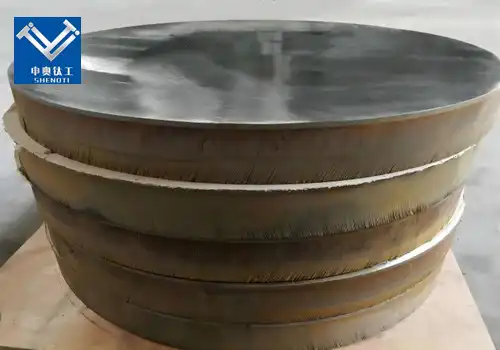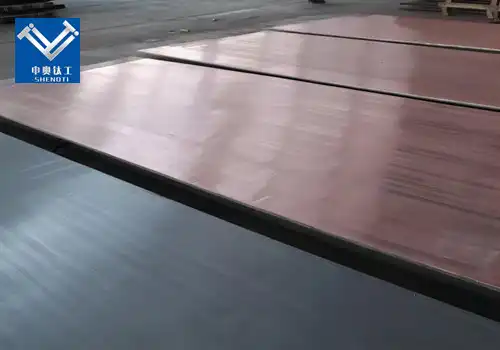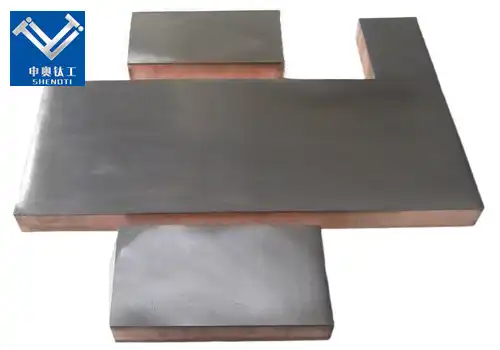
Carbon steel composite plates for pressure vessels, heat exchangers and pipelines
2026-08-18 10:47:15
Cladding Methods
- Explosion welding
- Hot rolling or explosive + rolling combination
- Solid-liquid bonding
Why Choose Carbon Steel Clad Plate?
1. Cost-Effective Material Solution
Clad plates reduce material costs by replacing the full-thickness corrosion-resistant alloy with a thin cladding layer, while maintaining strength and corrosion resistance.
2. Excellent Corrosion Resistance
By cladding stainless steel or nickel alloy to carbon steel, the plate resists acids, alkalis, saltwater, and high-pressure media, making it ideal for harsh chemical and petrochemical environments.
3. High Strength and Toughness
The carbon steel base provides mechanical strength, shock resistance, and ease of fabrication for welding, bending, or machining.
4. Extended Equipment Life
Carbon steel clad plate prolongs the service life of pressure-bearing and corrosion-prone equipment, reducing maintenance costs and downtime.
Applications of Carbon Steel Clad Plate
1. Pressure Vessels
- Hydrogenation reactors
- Desulfurization towers
- High-pressure boilers
2. Heat Exchangers
- Shell-and-tube exchangers
- Condenser tube sheets
- Steam condensers
3. Pipeline and Flange Systems
- Oil and gas pipeline flanges
- High-pressure or sour gas pipelines
- Seawater desalination lines
4. Chemical and Petrochemical Industry
- Urea reactors and fertilizer plants
- Caustic soda and acid storage tanks
- Chemical reactors and columns
Common Cladding Materials Used with Carbon Steel
- 316L or 304L stainless steel
- Duplex or super duplex stainless steel
- Nickel alloys (e.g., Monel, Inconel)
- Titanium or tantalum (for highly corrosive media)
Technical Specifications
| Parameter | Specification |
|---|---|
| Base Material | Q245R, Q345R, A516 Gr.70, SA387 |
| Cladding Material | 304L / 316L / Ti / Ni / Inconel / Monel |
| Plate Thickness | 6 mm – 200 mm |
| Cladding Thickness | 1 mm – 20 mm (customizable) |
| Width | Up to 3000 mm |
| Bonding Strength | ≥12 MPa (explosion welding) |
| Standards | ASME, ASTM, GB/T, JB/T, ISO |
FAQs About Carbon Steel Clad Plate
Q1: Is carbon steel clad plate better than using full stainless steel?
Yes, it offers significant cost savings while maintaining performance. You only pay for corrosion resistance where it’s needed.
Q2: Can the plate be customized for specific project needs?
Yes. Both the base and cladding material, as well as thickness and dimensions, can be customized.
Q3: What industries typically use carbon steel clad plates?
Oil and gas, chemical processing, power generation, water treatment, and pressure equipment manufacturing.
How to Choose a Reliable Carbon Steel Clad Plate Supplier?
- Check if the supplier offers explosion bonding or hot-rolled bonding processes
- Review certifications like ASME, ISO9001, and pressure vessel approvals
- Evaluate ability to customize alloy combinations and thickness
- Ensure they provide mechanical test reports and NDT inspection
About Baoji ShenAo Metal Materials Co., Ltd.
We are a professional manufacturer of metal clad plates, including stainless steel clad carbon steel, titanium clad steel, copper-aluminum composites, and more. We serve industries such as petrochemical, marine, power, and environmental engineering worldwide.
- Explosion welding + rolling process available
- Custom alloy combination and thickness
- Fast delivery and technical support
- Certified to international standards
Contact Us
Looking for high-quality carbon steel clad plate solutions? Reach out to our sales and engineering team today.
Email: zh@baojiti.com.cn
Website: shenaocladplate.com