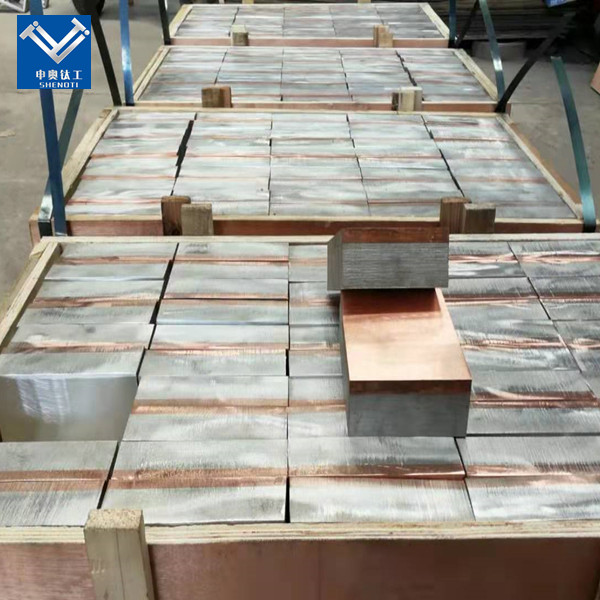
Copper aluminum composite panels used in the field of rail transit
2026-03-26 11:42:31
With the rapid development of global rail transit, the demand for high-performance, lightweight, and cost-effective materials is also constantly increasing. Copper aluminum composite panels have become the main material in the field of rail transit, combining the advantages of copper and aluminum, providing reliable support for the safe and efficient operation of rail transit systems.
Rail transit, including high-speed railways, subways, and urban light rails, has strict requirements for material properties - corrosion resistance, conductivity, lightweight, and durability are crucial. Copper aluminum composite panels meet these demands, replacing traditional pure copper or pure aluminum materials and becoming the mainstream choice in the industry.
Application scenarios of copper aluminum composite panels in rail transit
Copper aluminum composite panels used in the field of rail transit cover multiple key components and have wide applicability and practical value. In subway and high-speed railway carriages, the production of internal wiring conductors and busbars effectively reduces the weight of the carriages while ensuring stable power transmission, which helps to save energy consumption during operation.
Applied to the power supply system of rail transit, such as cable connectors and terminal blocks. Conductivity ensures efficient power transmission, and its corrosion resistance can withstand the harsh outdoor environment of rail lines, including humidity and salt spray corrosion. It is also applied to signal control equipment, providing stable performance support for the accurate operation of rail transit signals.
The advantages of using copper aluminum composite panels in rail transit applications
Compared with traditional materials, copper aluminum composite panels used in the field of rail transit have competitive advantages. It is lightweight, about 44% of pure copper, which can greatly reduce the load on rail vehicles and rail brackets, lower energy consumption and construction costs.
It has balanced performance: it has excellent conductivity of copper and corrosion resistance of aluminum, with conductivity close to 80% of pure copper, fully meeting the transmission needs of rail transit. It is cost-effective - the copper layer only accounts for 10% -30% of the total thickness, which can save 30% -50% of raw material costs compared to pure copper materials, helping to control the budget of rail transit projects.
Application Case of Copper Aluminum Composite Plate in Rail Transit
The application of copper aluminum composite panels in the field of rail transit has been validated in many large-scale projects around the world. The Delhi Metro has adopted copper aluminum composite panel materials in its cable replacement project, replacing traditional copper cables to reduce theft risks and improve operational reliability. The project covers 175 kilometers of railway lines.
In a high-speed railway project in China, copper aluminum composite panels are used for carriage wiring and power supply systems. It not only reduces the weight of the carriage by 15%, but also ensures stable operation in high temperature and high humidity environments, with a service life of over 15 years, greatly reducing maintenance costs. These cases fully demonstrate the reliability and practical value of copper aluminum composite panels in rail transit.
As a high-performance composite material, copper aluminum composite panels used in the field of rail transit conform to the development trend of lightweight, energy-saving, and cost-effective rail transit. It solves the pain points of traditional materials and provides reliable material support for the safe, efficient, and stable operation of rail transit systems. In the future, with the continuous upgrading of rail transit technology, its application will become more widespread, promoting the high-quality development of the global rail transit industry.