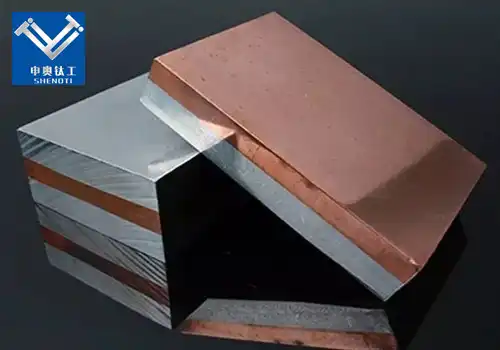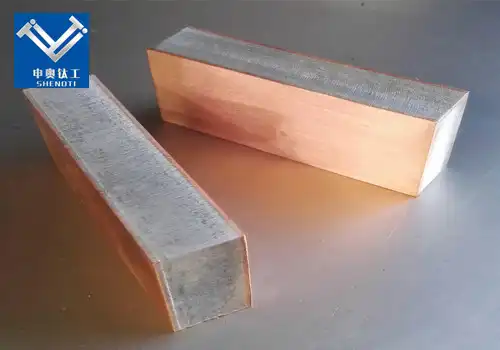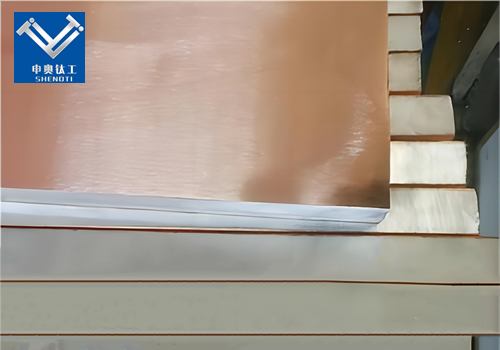
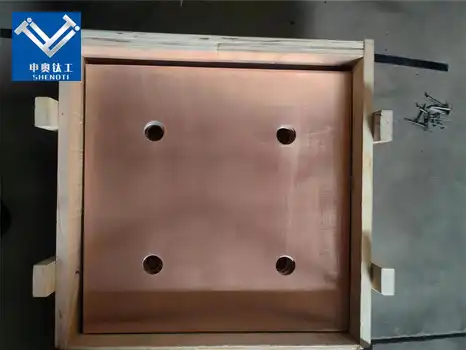
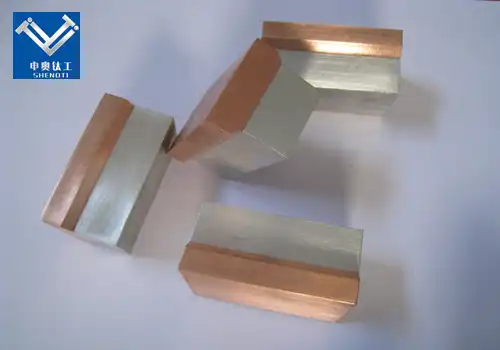
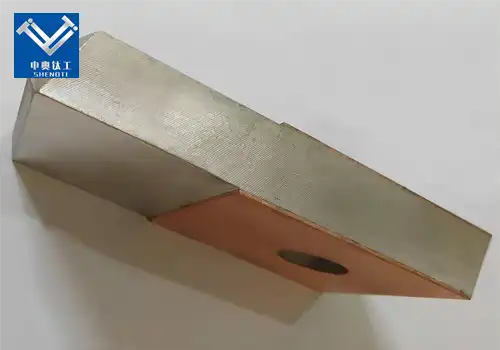
Copper clad aluminum bimetallic material


Thickness of Copper Layer:0.1 mm to 2 mm
Electrical Conductivity:60-65% IACS (International Annealed Copper Standard)
Tensile Strength:250-350 MPa
Thermal Conductivity:200 W/m·K
Melting Point:Copper: 1,083°C, Aluminum: 660°C
Corrosion Resistance:Excellent in atmospheric and marine environments
Weight:40-60% lighter than pure copper material
Application Temperature:-60°C to 150°C
Copper Clad Aluminum Bimetallic Material - Premium Composite Solutions
When you need a reliable solution that combines conductivity with cost-efficiency, Copper clad aluminum bimetallic material from Baoji City ShenAo Metal Materials Co., Ltd. delivers proven performance. Since 2008, we've specialized in manufacturing this advanced composite through explosive welding technology, creating a metallurgical bond that won't peel or delaminate. Our material achieves 60-65% IACS electrical conductivity while reducing weight by 40-60% compared to pure copper. With tensile strength reaching 250-350 MPa and thermal conductivity of 200 W/m·K, you get enterprise-grade reliability. The copper layer thickness ranges from 0.1 mm to 2 mm, engineered for applications from -60°C to 150°C with excellent corrosion resistance in demanding environments.
 |
 |
 |
 |
 |
 |
Technical Specifications
|
Parameter
|
Value
|
|
Composition
|
Copper (Cu) Clad on Aluminum (Al)
|
|
Copper Layer Thickness
|
0.1 mm to 2 mm
|
|
Electrical Conductivity
|
60-65% IACS
|
|
Tensile Strength
|
250-350 MPa
|
|
Thermal Conductivity
|
200 W/m·K
|
|
Melting Point
|
Copper: 1,083°C / Aluminum: 660°C
|
|
Corrosion Resistance
|
Excellent (atmospheric & marine)
|
|
Weight Reduction
|
40-60% lighter than pure copper
|
|
Operating Temperature
|
-60°C to 150°C
|
|
Bonding Type
|
Metallurgical (explosive welding)
|
Key Applications
Power Distribution Systems: Busbars and switchgear components benefit from the combination of conductivity and weight savings. You can reduce cabinet weight by up to 50% while maintaining current-carrying capacity.
Telecommunications Infrastructure: RF coaxial cables and 5G equipment use this material to leverage the skin effect. Signal integrity remains high while costs stay controlled.
New Energy Vehicles: Battery connectors and wire harnesses require materials that withstand vibration and provide reliable connections. Our Copper clad aluminum bimetallic material meets these demanding requirements with proven terminal crimping compatibility.
Industrial Electronics: Power electronics need efficient heat dissipation. The thermal conductivity of 200 W/m·K ensures your components stay cool under load.
 |
 |
 |
 |
 |
 |
 |
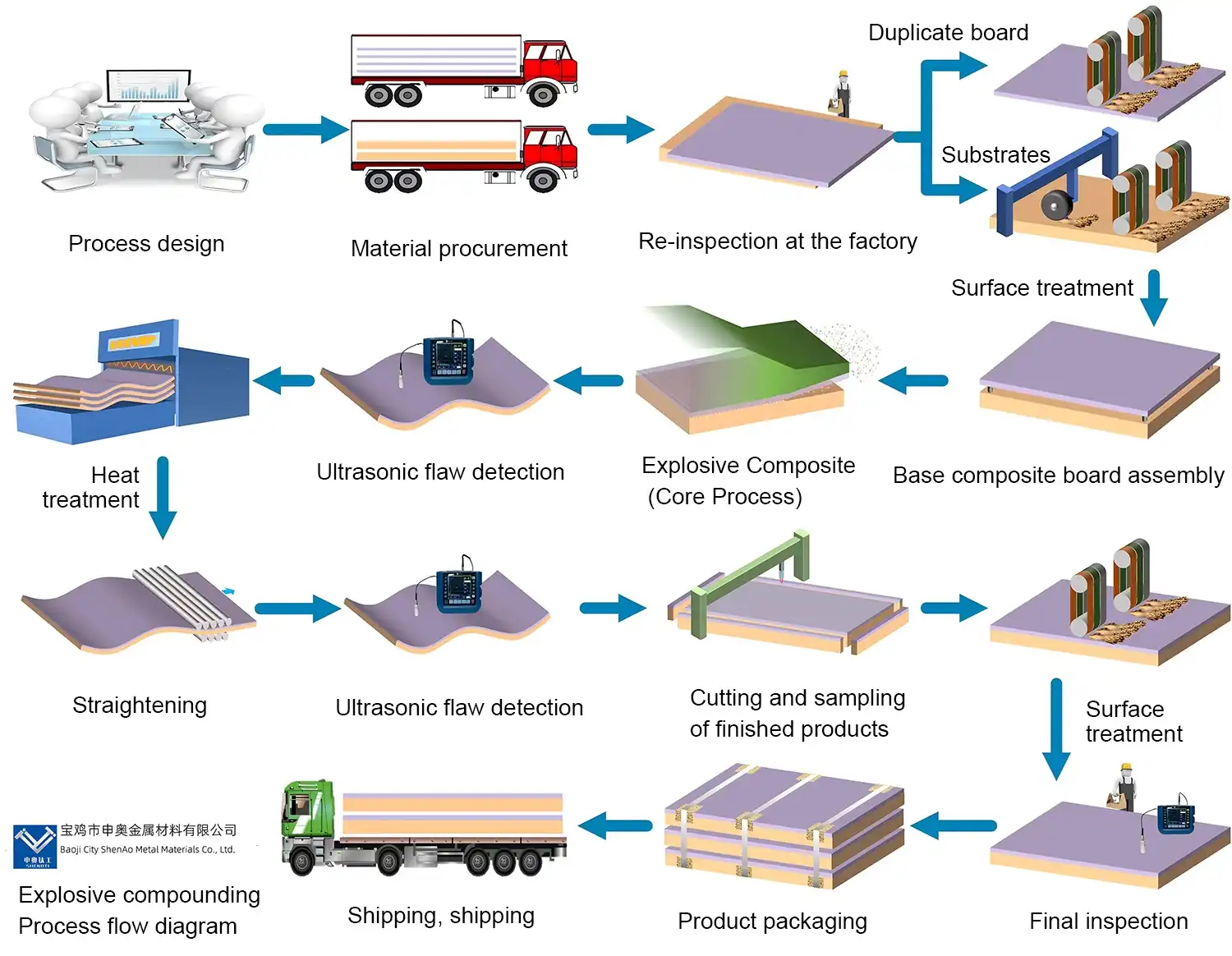
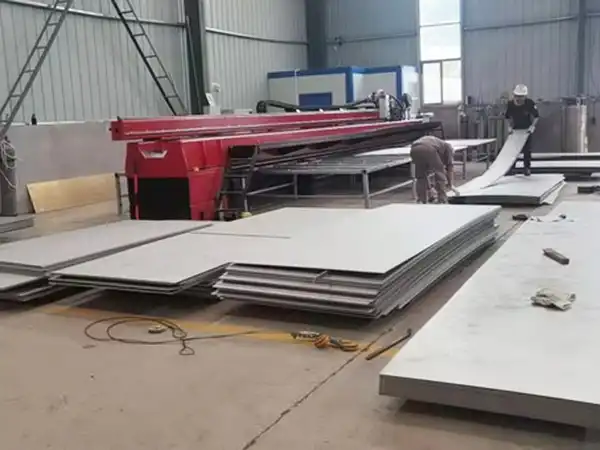
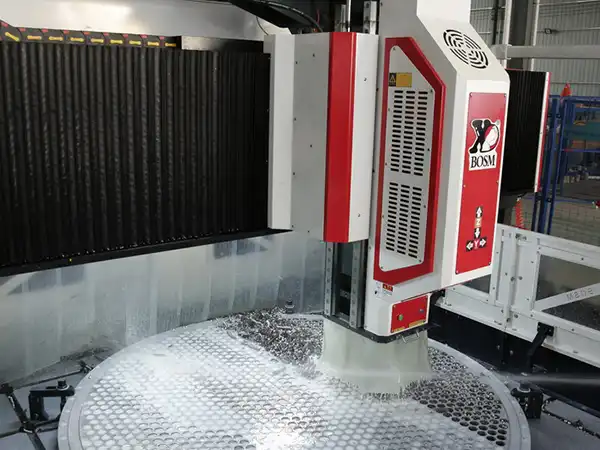
Product production process
Why Choose Our Bimetallic Solution?
Superior Bonding Technology
Not at all like surface plating, our unstable welding prepare makes an atomic-level association between copper and aluminum layers. This implies you won't encounter peeling amid machining or high-current operations. The bond withstands overwhelming mechanical push and warm cycling.
Cost-Effective Performance
You're confronting unstable copper costs and budget limitations. This fabric understands both challenges. By utilizing an aluminum center with copper cladding, you keep up great conductivity whereas cutting fabric costs altogether. Transportation costs drop as well, much appreciated to the decreased weight.
Lightweight Design
Your establishment groups will appreciate the distinction. At 40-60% lighter than strong copper, dealing with gets to be simpler. High-rise building establishments ended up less complex. Car applications advantage from decreased vehicle weight, progressing fuel efficiency.
Excellent Erosion Protection
The copper external layer gives characteristic assurance against air and marine erosion. Your electrical associations remain solid longer. Support interims expand. Framework downtime diminishes.
Manufacturing Excellence
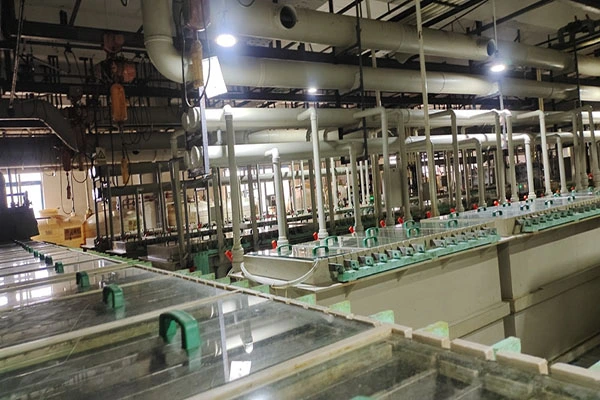
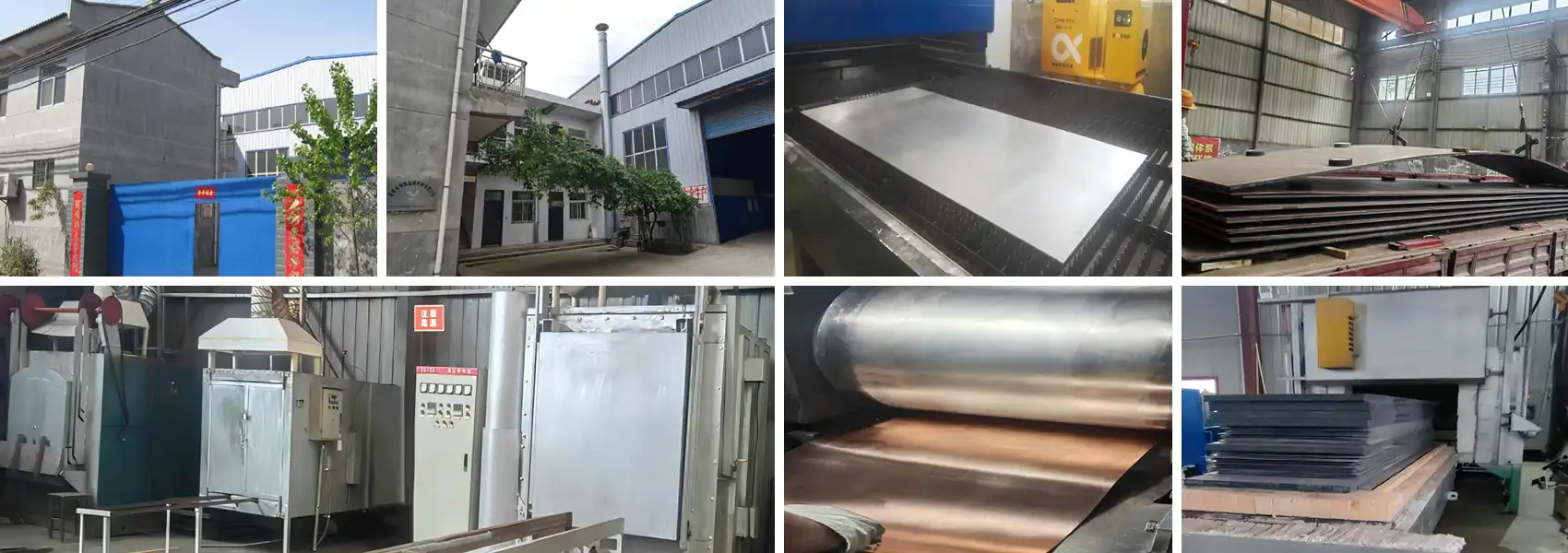
With 17 a long time of generation involvement, we've refined our forms to convey steady quality. Our office in China's Titanium Valley combines progressed unstable welding hardware with strict quality control standards.
Every group experiences thorough testing for holding quality, conductivity, and mechanical properties. You get materials that meet worldwide benchmarks and perform dependably in your applications.
Customization Services
We get it that standard determinations do not continuously fit your needs. Our specialized group works with you to create custom copper-to-aluminum proportions (10:90, 20:80, or 30:70) based on your particular conductivity requirements.
Thickness combinations? We alter them. Uncommon measurements? We suit them. Your extend merits a custom-made arrangement, and we provide it.
 |
 |
 |
 |
 |
 |
 |
 |
 |
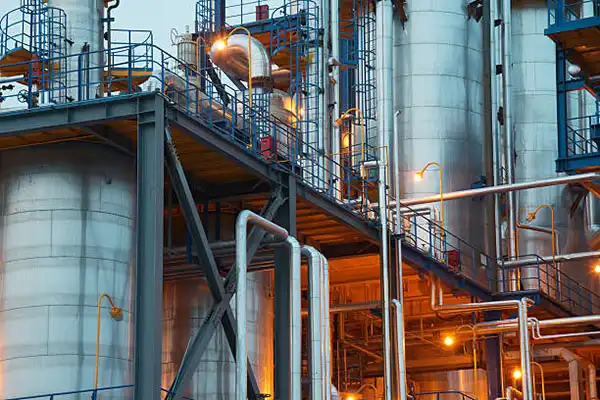
Application Industries
 |
 |
 |
 |
 |
 |
 |
 |
Our Factory
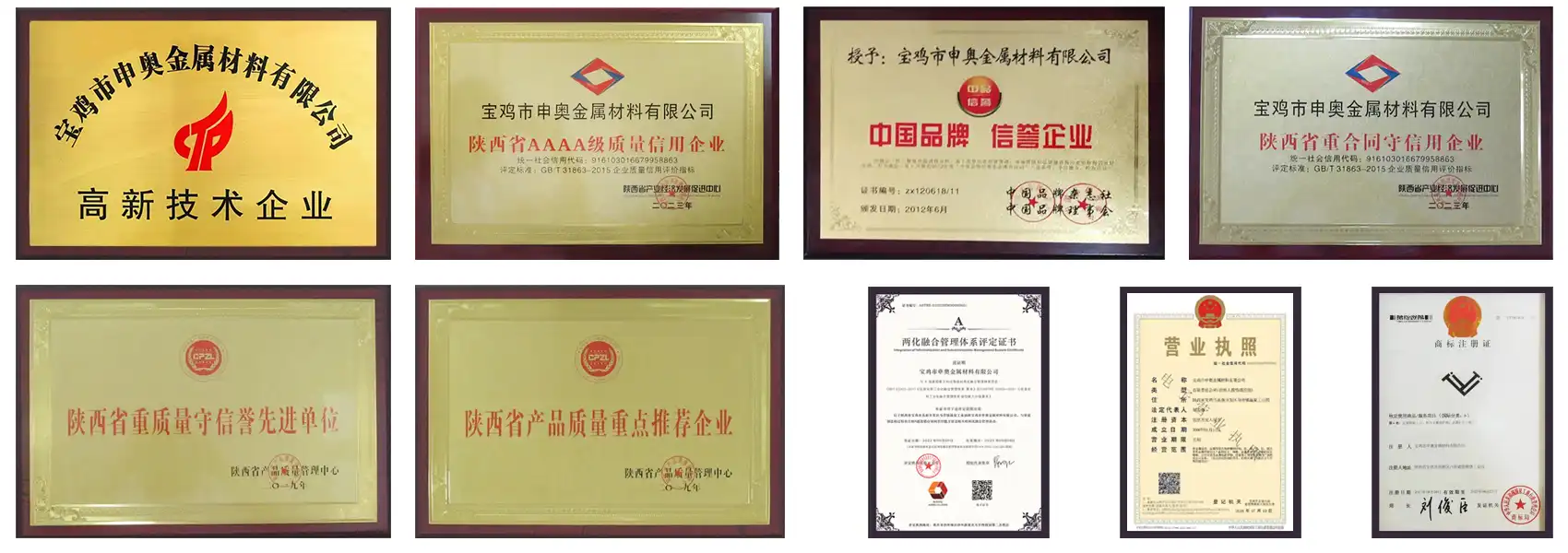
Our Patents and Honors

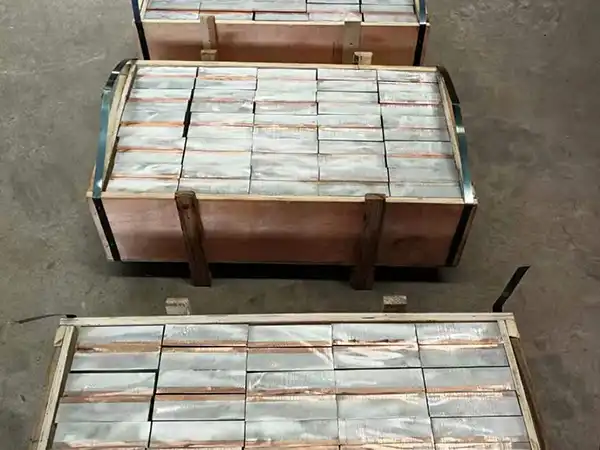
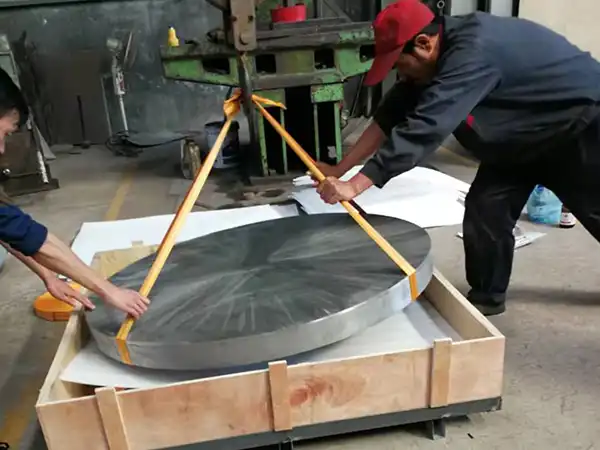
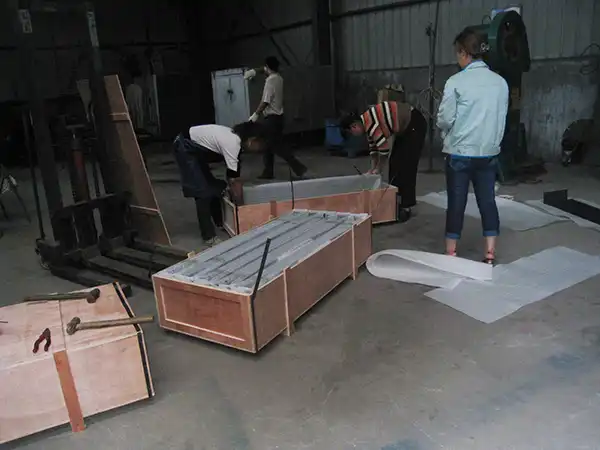
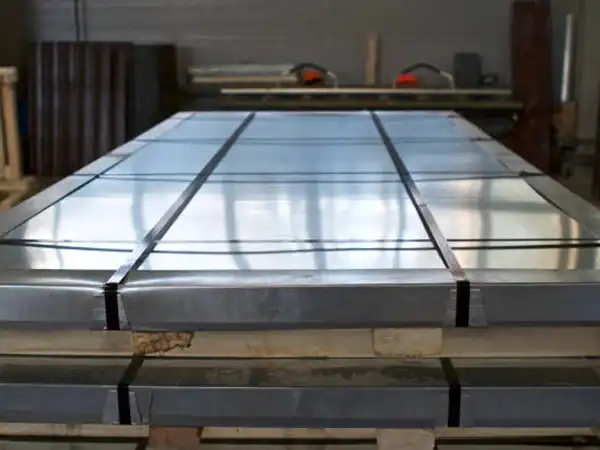
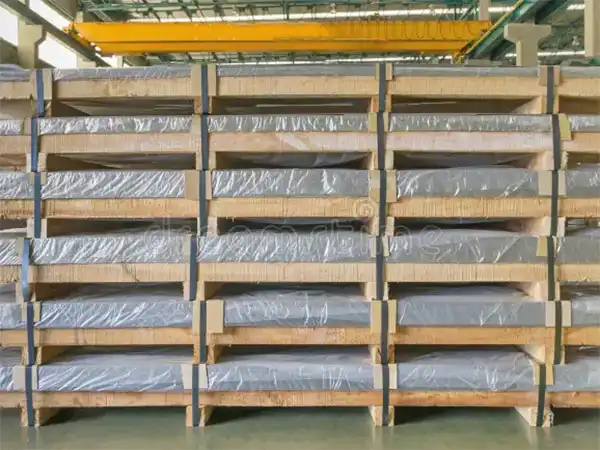
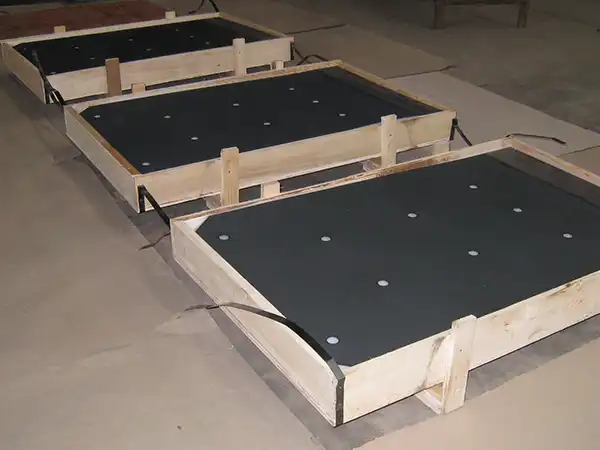
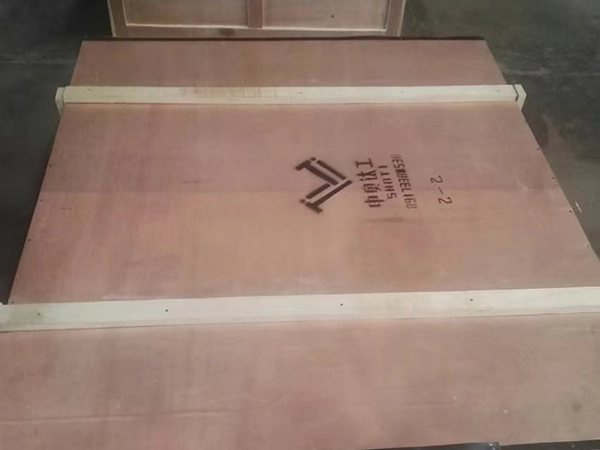
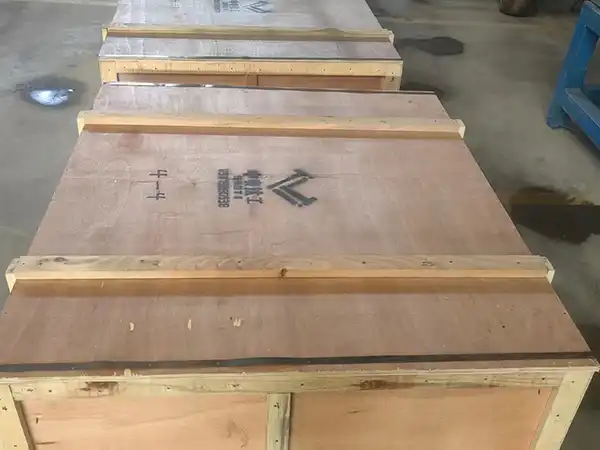
 Our Packaging
 |
 |
 |
 |
 |
 |
 |
 |
 |
 |
FAQ
Q: How does it contrast from copper-plated aluminum?
A: Not at all like plating, our item highlights a profound metallurgical bond made through dangerous welding. This bond withstands overwhelming machining and high-current loads without peeling. Plating makes as it were a lean surface deposit.
Q: Can it be welded?
A: Yes. You can utilize TIG, MIG, or laser welding forms. In any case, specialized parameters are required to oversee the distinctive softening focuses of copper and aluminum. Our specialized group gives welding guidelines.
Q: What is the standard copper-to-aluminum ratio?
A: The most common industry standard is 20:80 by volume. We too offer custom proportions like 10:90 or 30:70 for particular conductivity needs.
Q: Is the interface steady beneath tall temperatures?
A: The metallurgical bond remains steady up to 300°C. Over this temperature, intermetallic compounds may shape. Screen working temperatures to guarantee longevity.
Q: Is it cost-effective for little projects?
A: Whereas beginning fabric costs are lower than unadulterated copper, the noteworthy reserve funds show up in coordinations due to decreased weight and long-term upkeep by dispensing with joint disappointment issues.
Contact Us
Ready to optimize your electrical systems with Copper clad aluminum bimetallic material? Contact us at zh@baojiti.com.cn for technical specifications and custom solutions tailored to your project requirements.