Titanium Anode Manufacturer for Wastewater Treatment Systems
2026-05-08 15:50:56
Titanium anodes are crucial in modern wastewater treatment systems.
With increasingly stringent global environmental regulations, industrial facilities are increasingly adopting advanced electrochemical wastewater treatment systems to reduce pollutant emissions, improve water recycling efficiency, and lower operating costs. In this process, selecting a reliable titanium anode manufacturer for wastewater treatment systems has become a key factor affecting treatment efficiency, equipment lifespan, and long-term operational stability.
Titanium anodes are widely used in electrochemical oxidation, electrocoagulation, electroflotation, electrolytic disinfection, and heavy metal wastewater treatment due to their excellent corrosion resistance, conductivity, and catalytic properties. Compared to traditional graphite or lead alloy electrodes, titanium anodes offer higher current efficiency, lower maintenance requirements, and a longer service life.
What are titanium anodes for wastewater treatment?
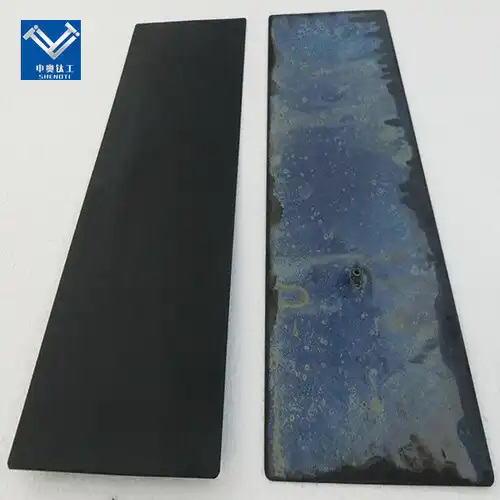
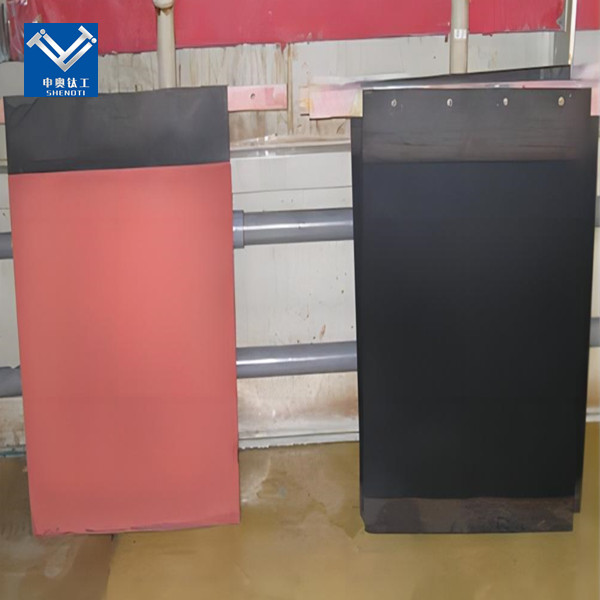
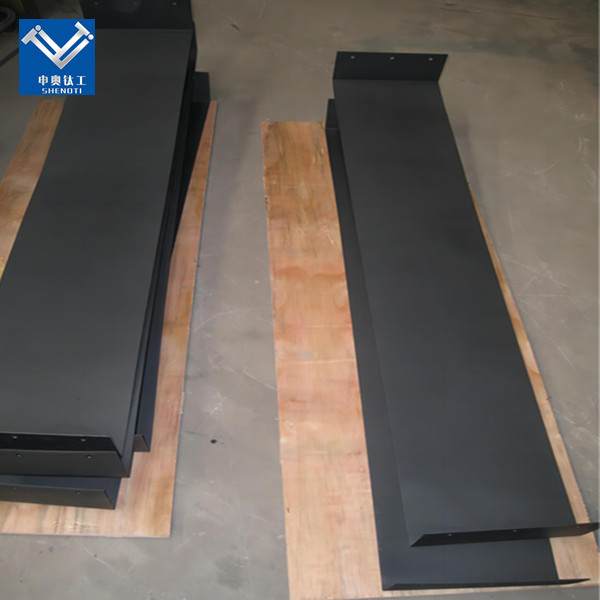
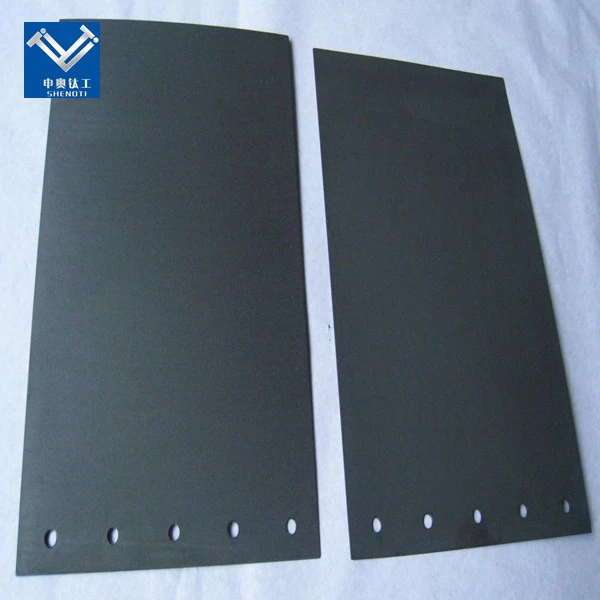
A titanium anode is an electrochemical electrode with a titanium substrate coated with a catalytic mixed metal oxide (MMO), platinum, ruthenium-iridium, or other specialized coatings designed for wastewater treatment environments.
Titanium substrates possess the following characteristics:
High mechanical strength
Excellent corrosion resistance
Long service life
Stable electrical conductivity under harsh conditions
The catalytic coating determines the efficiency of electrochemical reactions and their application areas.
Commonly used coating systems include:
Ruthenium-iridium coated titanium anode
Applications:
Chronic-alkali wastewater
Seawater electrolysis
Electrolytic disinfection
High-chloride wastewater treatment
Features:
Excellent chlorine evolution efficiency
Low consumption rate
Stable electrochemical performance
Iridium-tantalum coated titanium anode
Applications:
Oxygen evolution reaction
Organic wastewater degradation
Electrochemical oxidation systems
Features:
Strong oxidizing capacity
High durability under acidic conditions
Long service life
Platinum coated titanium electrode
Applications:
High-purity electrolysis systems
Electroplating wastewater treatment
Precision industrial applications
Features:
Excellent conductivity
High catalytic activity
Low voltage operation
Advantages of titanium anodes in wastewater treatment systems
Industrial wastewater treatment environments are highly corrosive and typically contain acids, alkalis, and other substances. Salts, organic pollutants, and heavy metals are common pollutants in wastewater treatment systems. Traditional electrode materials often fail under continuous operation conditions.
Corrosion Resistance
Titanium substrates form a stable oxide film, effectively resisting corrosive wastewater environments, including:
Acidic wastewater
Alkaline wastewater
Chloride-containing wastewater
High-salinity wastewater
This ensures long-term stable operating performance.
High Current Efficiency
MMO-coated titanium anodes improve electrochemical reaction efficiency, reduce energy consumption, and enhance pollutant degradation performance.
Advantages include:
Faster COD removal rate
Better ammonia nitrogen treatment effect
Higher decolorization efficiency
Stronger bactericidal performance
Longer service life
Compared to graphite electrodes, titanium anodes offer the following advantages:
Lower consumption rate
Frequency of replacement
Lower maintenance costs
Higher system reliability
Industrial-grade titanium anodes can operate continuously for years under appropriate conditions.
Flexible Customization
Leading titanium anode manufacturers offer the following customization services:
Customization services support various wastewater treatment reactor designs. Applications of Titanium Anodes in Wastewater Treatment
Electrochemical Oxidation Wastewater Treatment
Electrochemical oxidation systems utilize titanium anodes to generate strong oxidants, such as:
Hydroxy radicals
Active chlorine
Ozone-related oxidants
Application areas include:
Textile wastewater treatment
Pharmaceutical wastewater treatment
Chemical wastewater treatment
Dye wastewater treatment
These systems can effectively degrade recalcitrant organic pollutants.
Electroplating Wastewater Treatment
Electroplating wastewater typically contains:
Copper ions
Nitrogen ions
Chromium ions
Cyanide
Titanium anodes remove heavy metals through electrochemical precipitation and oxidation reactions.
Electrocoagulation Systems
In electrocoagulation systems, titanium anodes can achieve:
Removal of suspended solids
Oil-water separation
Reduction of Chemical Oxygen Demand (COD)
Reduction of sludge
They are widely used in:
Food processing wastewater
Oily wastewater treatment
Metal processing industry
Electrolytic disinfection systems
Titanium anodes can directly generate disinfectants in water, therefore they are suitable for:
Swimming pool disinfection
Hospital wastewater treatment
Municipal sewage treatment
Ballast water treatment
This helps reduce chemical consumption and improve operational safety.
Leachate treatment
Leachate contains high concentrations of:
Ammonia nitrogen
Organic compounds
Toxic pollutants
MMO titanium anodes are highly efficient in advanced oxidation treatment processes.
Titanium Anode Manufacturing Process
Reliable wastewater treatment system titanium anode manufacturers follow strict production standards to ensure coating adhesion and electrochemical performance.
1. Titanium Substrate Preparation
The titanium substrate requires the following treatments:
Cutting according to design specifications
Sandblasting
Acid etching
Surface activation
Proper surface treatment improves coating adhesion.
2. Precious Metal Coating Application
A catalytic coating solution containing the following components is uniformly applied to the titanium surface:
Ruthenium
Iridium
Tantalum
Platinum
A solution is uniformly applied to the titanium surface.
3. High-Temperature Sintering
The coated electrode undergoes thermal decomposition and sintering at a controlled temperature to form a stable oxide catalytic layer.
4. Quality Inspection
Each titanium anode undergoes the following tests:
Coating thickness test
Current density test
Electrochemical performance analysis
Adhesion test
Lifetime simulation test
Rigorous inspection ensures product consistency and long-term stability.
How to Choose a Titanium Anode Manufacturer
Choosing a suitable supplier is crucial for the success of wastewater treatment projects.
Manufacturing Experience
Experienced manufacturers understand:
Electrochemical reaction mechanisms
Wastewater treatment operating conditions
Coating formulation optimization
Industrial system integration
This helps improve treatment efficiency and reduce operating costs.
Custom Engineering Capabilities
Different wastewater treatment systems require different electrode structures and coatings.
Professional titanium anode manufacturers should provide:
Custom sizes
Coating recommendations
Current density optimization
Reactor matching support
Stable raw material supply
High-quality titanium substrates and precious metal coatings directly affect electrode lifespan and performance.
Reliable manufacturers use:
Grade 1 titanium
Grade 2 titanium
High-purity precious metal salts
International Export Experience
For overseas buyers, manufacturers with export experience can provide:
Technical documentation
Material certificates
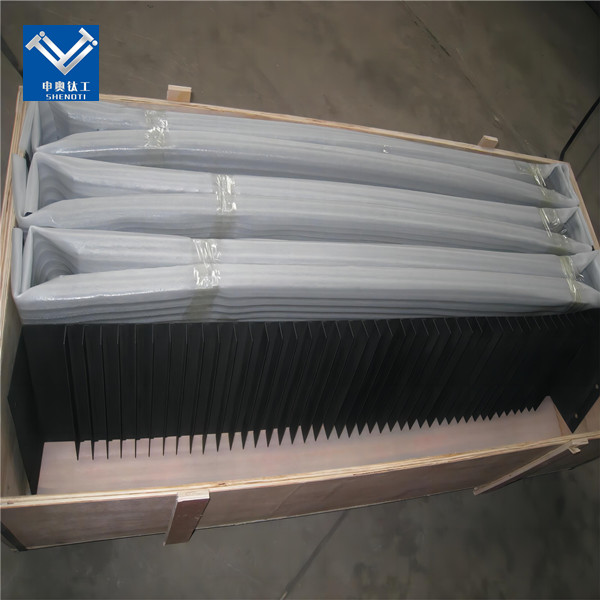
Custom packaging
International logistics support
This helps reduce procurement risks and improve project delivery efficiency.
Industries Using Titanium Anodes for Wastewater Treatment
Industries using titanium anodes for wastewater treatment include:
Chemical Industry
Used to treat:
High Chemical Oxygen Demand (COD) wastewater
Acidic wastewater
Organic solvent wastewater
Textile Printing and Dyeing Industry
Effectively treat:
Decolorization
Organic matter degradation
Saline wastewater treatment
Pharmaceutical Industry
Suitable for:
Antibiotic wastewater
Highly toxic wastewater
Recalcitrant organic compounds
Food Processing Industry
Application Areas:
High organic matter wastewater
Clean wastewater
Oil-containing wastewater treatment
Municipal wastewater treatment
Application Directions:
Disinfection systems
Deodorization
Advanced oxidation processes
Future Trends in Electrochemical Wastewater Treatment
The global wastewater treatment market is rapidly shifting towards:
Green technologies
Chemical-free treatment systems
Intelligent automation
Low-energy electrochemical systems
Titanium anodes play a role in these advanced technologies.
Future development trends include:
Highly catalytically active coatings
Nanostructured electrode surfaces
Low-energy consumption designs
Longer-life electrodes
Smart electrochemical reactor integration
Manufacturers investing in coating R&D and electrochemical innovation will gain an advantage in the global market.
Why Global Buyers Prefer Specialized Titanium Anode Manufacturers
Working directly with specialized titanium anode manufacturers for wastewater treatment systems offers the following advantages:
Stable product quality
Highly competitive factory prices
Faster customization services
Technical engineering support
More comprehensive delivery control
Long-term stable supply
For EPC contractors, water treatment integrators, and industrial wastewater solution providers, reliable titanium anode suppliers help improve project success rates and customer satisfaction.
Titanium anodes, with their corrosion resistance, high electrochemical efficiency, and long service life, have become indispensable components in modern wastewater treatment systems.
Whether used for electrochemical oxidation, electrolytic disinfection, electrocoagulation, or heavy metal wastewater treatment, high-performance titanium anodes improve system efficiency and operational reliability.
Choosing an experienced titanium anode manufacturer ensures access to advanced coating technologies, customized engineering solutions, and long-term industry support.
With increasingly stringent global environmental regulations, the demand for durable and energy-efficient titanium anode solutions in the industrial wastewater treatment market will continue to grow.