
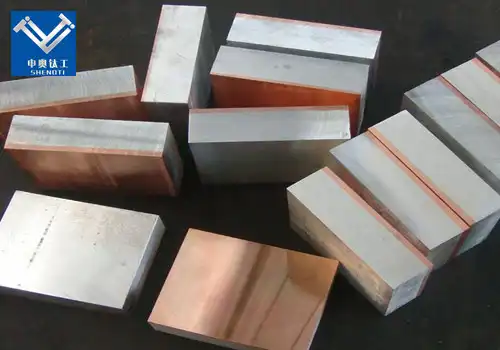
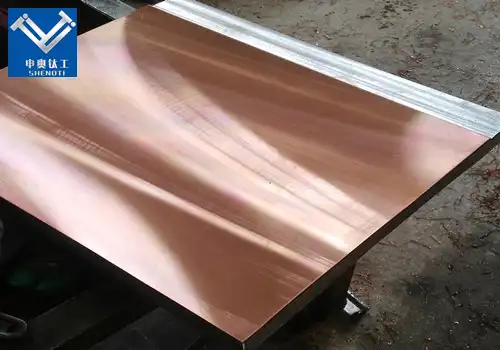
Copper clad aluminum bimetallic plate


Aluminum base thickness:0.5 mm – 20 mm
Electrical conductivity (Cu side):≥ 98% IACS
Bonding strength:≥ 100 MPa (explosion welded)
Thermal conductivity:180–220 W/m·K (composite average)
Density:~4.2 g/cm³ (depends on layer ratio)
Operating temperature:-40°C to 200°C
Copper Clad Aluminum Bimetallic Plate: Industrial-Grade Composite Solution
When your electrical systems demand both superior conductivity and weight reduction, Copper clad aluminum bimetallic plate delivers enterprise-level performance that traditional materials can't match. Manufactured by Baoji City ShenAo Metal Materials Co., Ltd., our plates achieve ≥100 MPa bonding strength through advanced explosive welding technology, ensuring zero delamination risk under heavy-duty operations. With copper layers ranging from 0.05–2.0 mm metallurgically bonded to aluminum bases of 0.5–20 mm, you get ≥98% IACS electrical conductivity while reducing system weight by up to 60% compared to solid copper alternatives. Our thermal conductivity of 180–220 W/m·K and stable performance from -40°C to 200°C make these plates ideal for busbar systems, switchgear components, and high-current distribution networks.
Why Choose Our Bimetallic Composite Material?
You're likely facing three critical challenges: rising copper costs, weight constraints in installations, and the notorious galvanic corrosion at copper-aluminum junctions.
Our solution eliminates these pain points.
The metallurgical bond in our product creates an inseparable atomic-level interface. This isn't surface plating that peels under stress. It's a permanent fusion that withstands heavy machining, thermal cycling, and mechanical loads without compromising integrity.
Real Engineering Benefits
Weight Lessening Without Execution Loss
Your foundation ventures can accomplish 50-60% weight investment funds. This interprets to lower auxiliary back prerequisites, decreased transportation costs, and less demanding establishment. The ~4.2 g/cm³ thickness gives you copper's execution in aluminum's weight class.
Superior Current Distribution
The ≥98% IACS conductivity on the copper side guarantees negligible voltage drop. You keep up effective control transmission whereas maintaining a strategic distance from the vitality misfortunes related with unadulterated aluminum conductors.
Corrosion-Free Interface
Traditional mechanical associations between copper and aluminum make galvanic cells that erode quickly. Our hazardous welding handle dispenses with this electrochemical response zone completely. You get solid, maintenance-free associations that final decades, not a long time.
 |
 |
 |
 |
 |
 |
Technical Specifications
|
Parameter
|
Value
|
Industrial Advantage
|
|
Copper Layer Thickness
|
0.05–2.0 mm
|
Customizable for conductivity requirements
|
|
Aluminum Base Thickness
|
0.5–20 mm
|
Adaptable to structural load demands
|
|
Electrical Conductivity (Cu)
|
≥98% IACS
|
Comparable to pure copper performance
|
|
Bonding Strength
|
≥100 MPa
|
Withstands extreme mechanical stress
|
|
Thermal Conductivity
|
180–220 W/m·K
|
Excellent heat dissipation capability
|
|
Density
|
~4.2 g/cm³
|
60% lighter than equivalent copper
|
|
Operating Temperature
|
-40°C to 200°C
|
Suitable for harsh environments
|
|
Interface Stability
|
Up to 300°C
|
Long-term metallurgical integrity
|
Applications That Drive Your Bottom Line
Power Distribution Systems
Busbar installations in substations and switchgear benefit from reduced structural loads. Your mounting hardware costs drop significantly when support frames handle less weight.
Renewable Energy Infrastructure
Solar farms and wind installations require extensive cable routing. Our Copper clad aluminum bimetallic plates reduce transportation and installation costs while maintaining the conductivity your inverters demand.
Industrial Electrolysis
Electroplating facilities and metal refining operations need corrosion-resistant current conductors. The copper surface provides excellent electrical contact while the aluminum backing offers structural support at lower cost.
Telecommunications Equipment
Ground planes and shielding components gain both weight advantages and thermal management capabilities. Your equipment stays cooler and easier to deploy.
 |
 |
 |
 |
 |
 |
 |
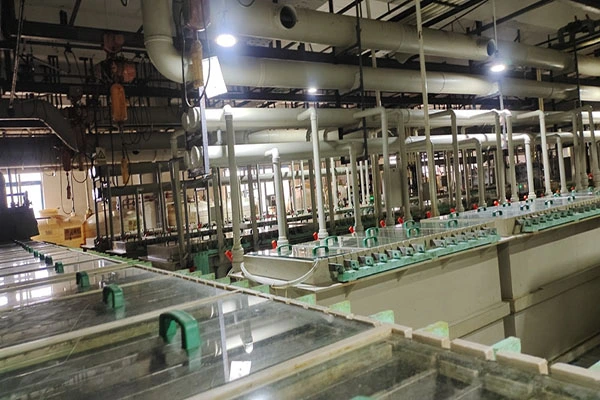
Product production process
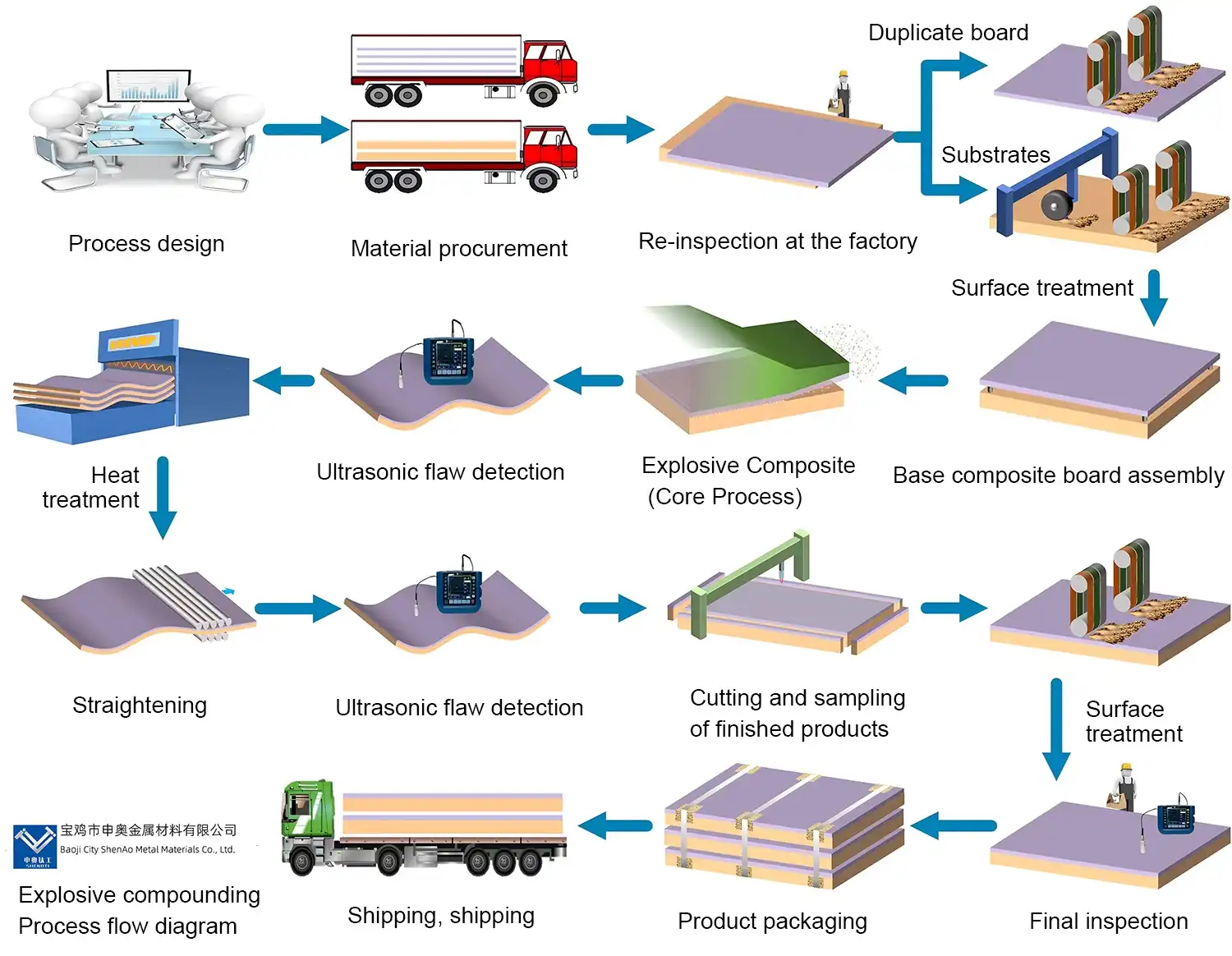
Custom Manufacturing Capabilities
With 17 a long time of generation ability, we get it that standard determinations seldom coordinate your correct requirements.
Our specialized group works specifically with you to decide ideal copper-to-aluminum proportions. Whether you require 10:90, 20:80, or 30:70 proportions by volume, we alter compositions to coordinate your conductivity and budget targets.
Small-batch testing? We bolster it.
Large-scale generation? We provide consistently.
Every plate experiences thorough holding quality testing, conductivity confirmation, and dimensional assessment some time recently shipping.
 |
 |
 |
 |
 |
 |
 |
 |
 |
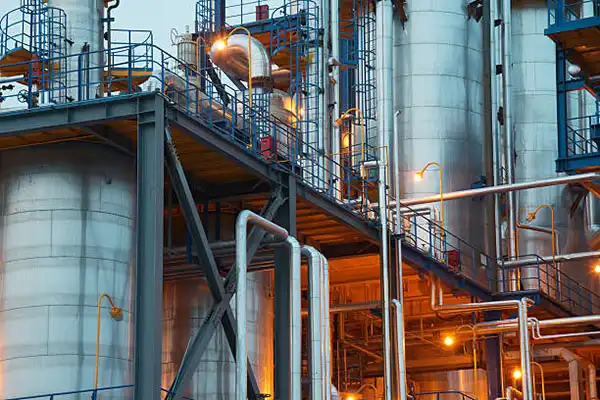
Application Industries
 |
 |
 |
 |
 |
 |
 |
 |
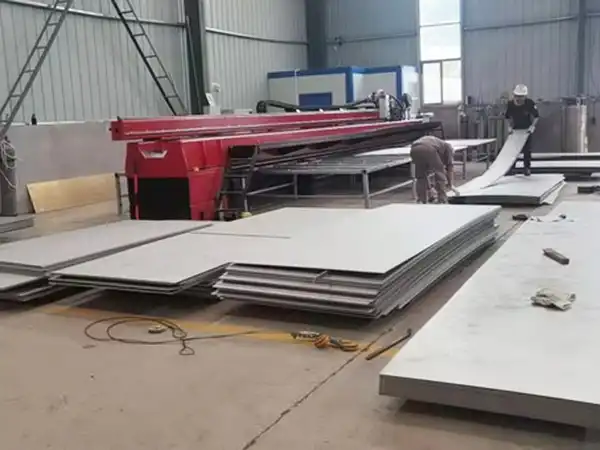
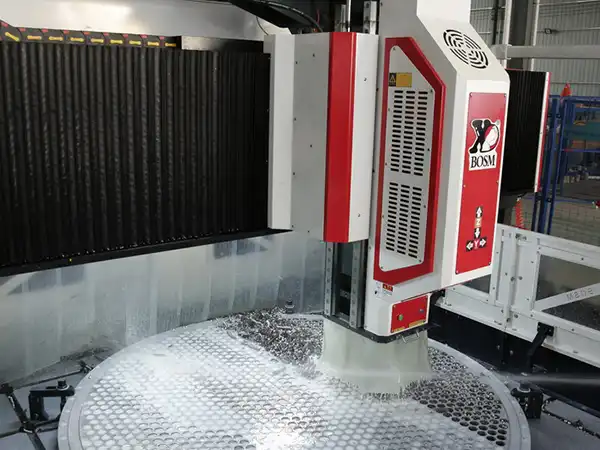
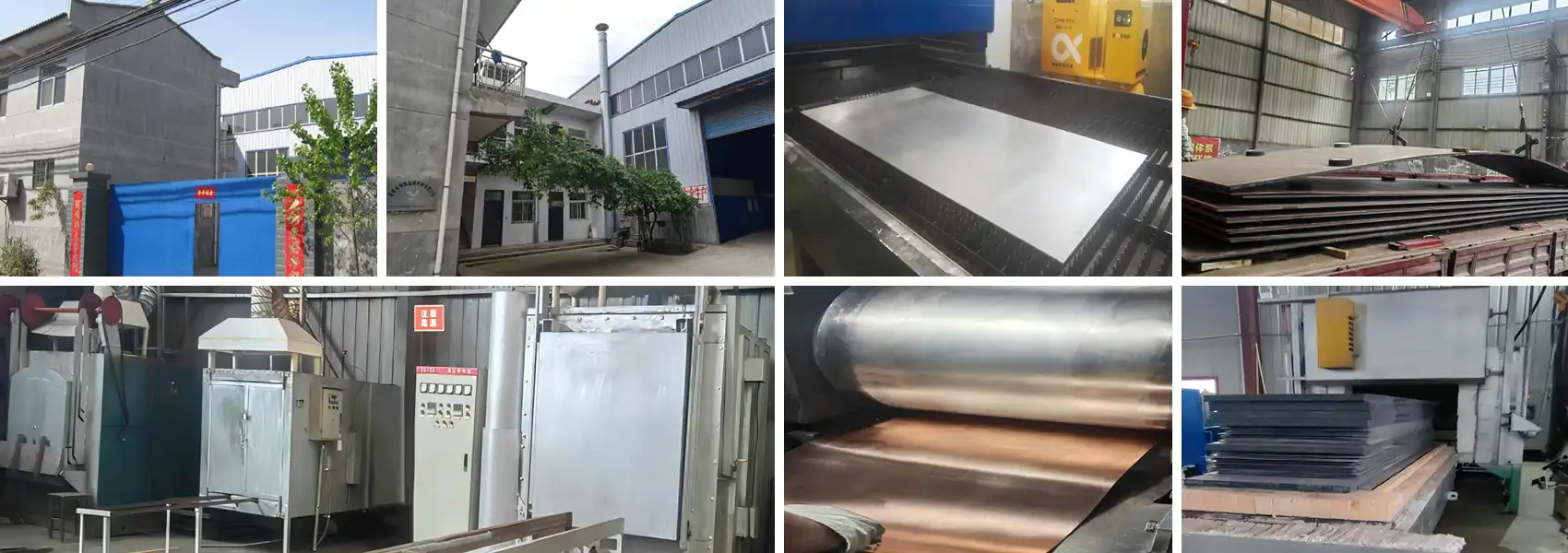
Our Factory
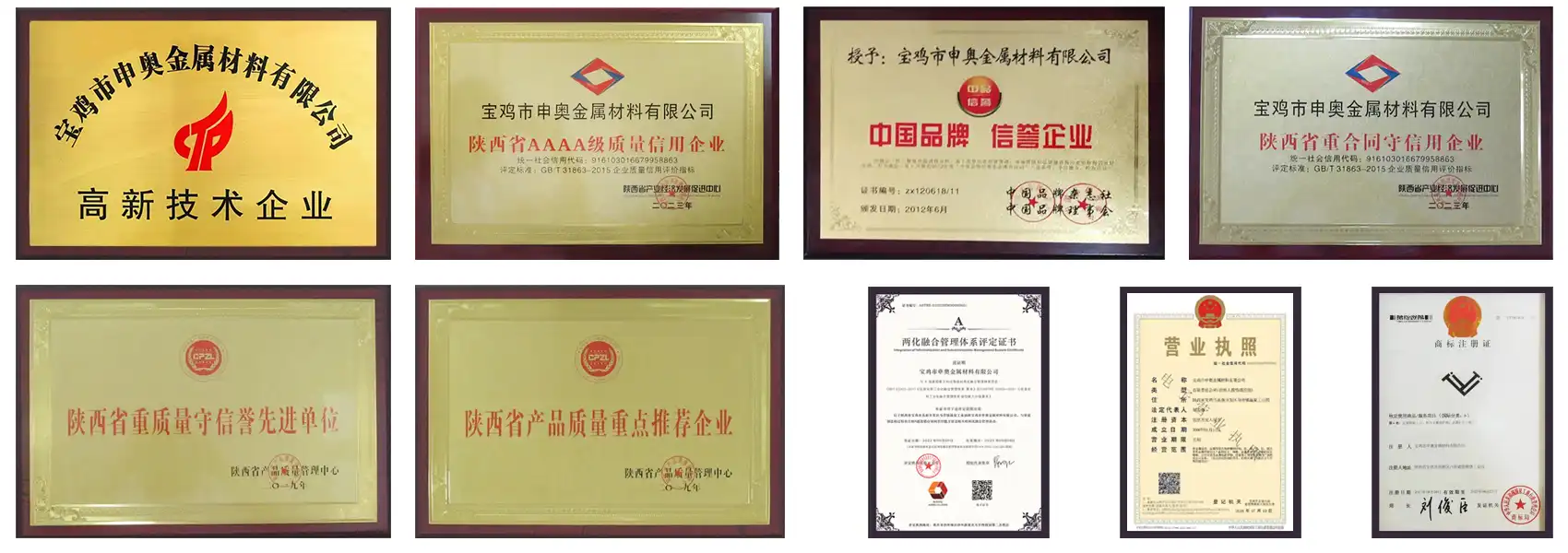
Our Patents and Honors

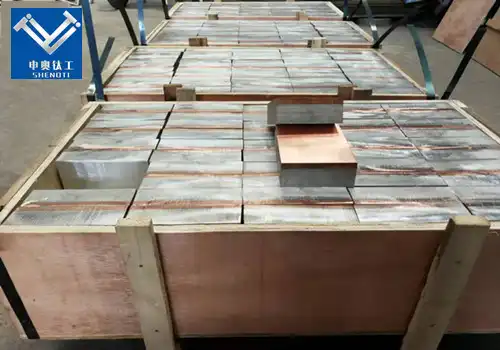
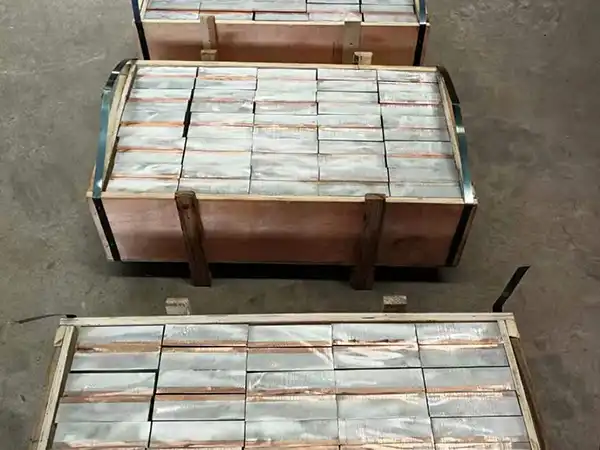
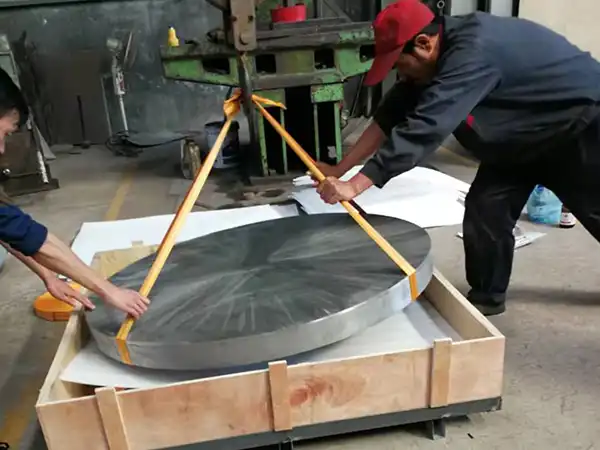
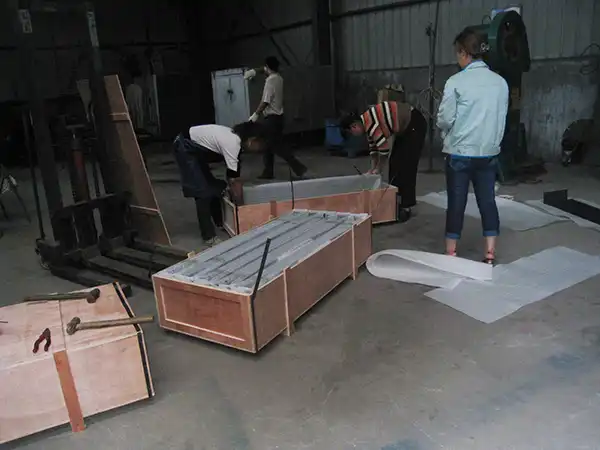
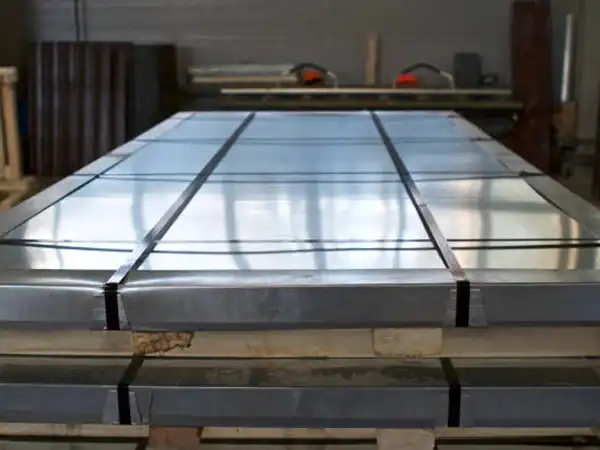
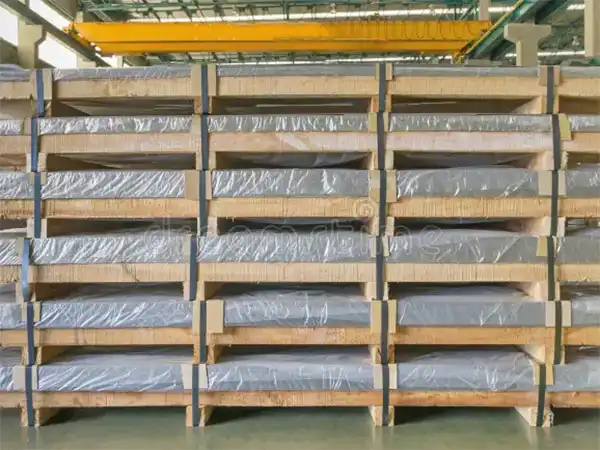
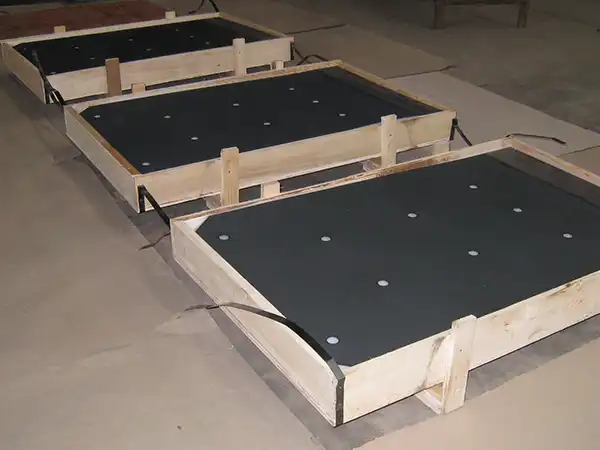
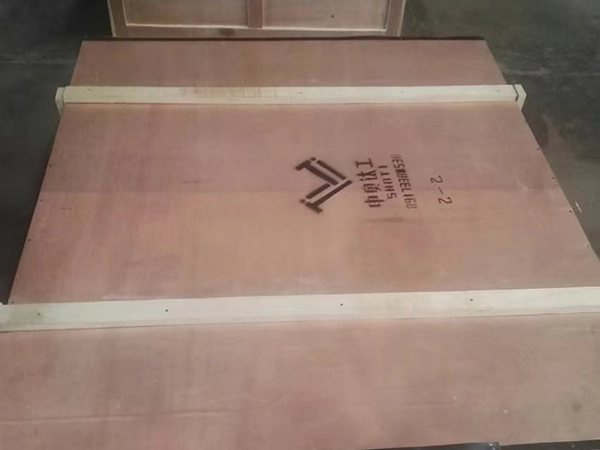
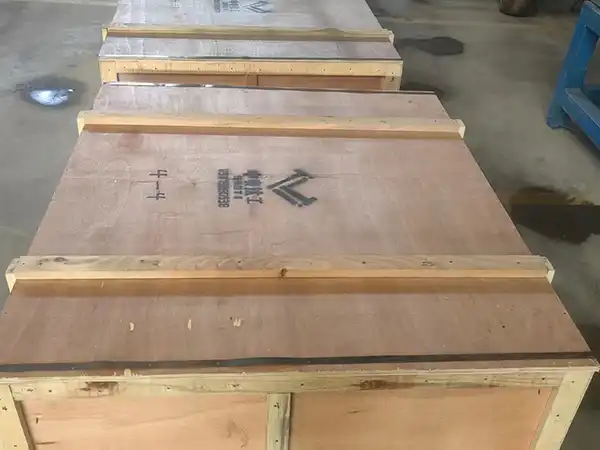
 Our Packaging
 |
 |
 |
 |
 |
 |
 |
 |
 |
 |
Frequently Asked Questions
How does it vary from copper-plated aluminum?
Unlike plating, which is a lean surface store, the item highlights a profound metallurgical bond that can withstand overwhelming machining and high-current loads without peeling.
Can the fabric be welded?
Yes, it can be welded utilizing TIG, MIG, or laser welding. You'll require specialized parameters to oversee the distinctive softening focuses, but our specialized group gives the direction you need.
What is the standard copper-to-aluminum ratio?
The most common industry standard is a 20:80 proportion by volume. Be that as it may, custom proportions (10:90 or 30:70) are accessible for your particular conductivity needs.
Is the interface steady beneath tall temperatures?
Yes, the metallurgical bond remains steady up to 300°C. Over this temperature, intermetallic compounds may shape, so you ought to screen working temperatures in extraordinary applications.
Is it cost-effective for little projects?
While the introductory fabric fetched is lower than immaculate copper, the critical reserve funds are realized in coordinations (weight) and long-term support by dispensing with joint disappointment. Your add up to fetched of proprietorship drops impressively.
Why Partner With ShenAo Metal Materials?
Since 2008, we've specialized in non-ferrous metal composite materials in China's Titanium Valley.
Our explosive welding technology isn't experimental—it's proven across hundreds of partnerships with equipment manufacturers and electrochemical enterprises.
You get:
· Strict quality management systems ensuring consistent bonding strength
· Fast delivery backed by mature production processes
· Technical support from engineers who understand real-world installation challenges
· Customization capabilities that match your specifications, not generic catalog items
Contact Us
Ready to reduce costs while improving performance with Copper clad aluminum bimetallic plate? Reach out to our team at zh@baojiti.com.cn for technical specifications and quotes.
YOU MAY LIKE