
_1752287624512.webp)
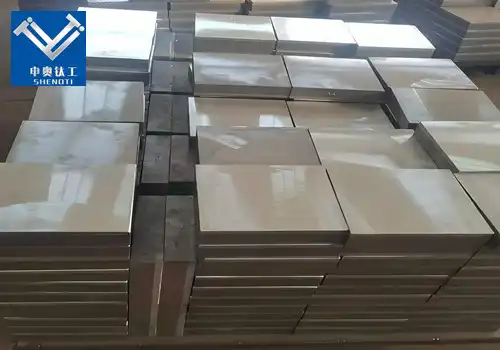
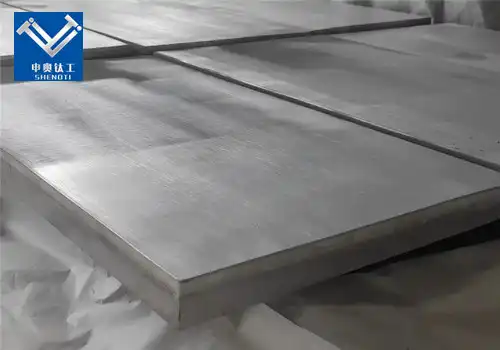
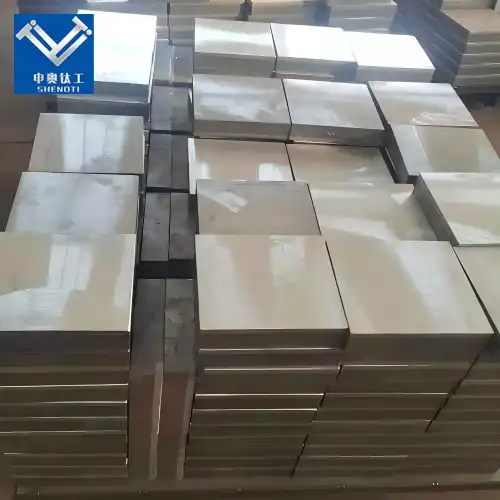
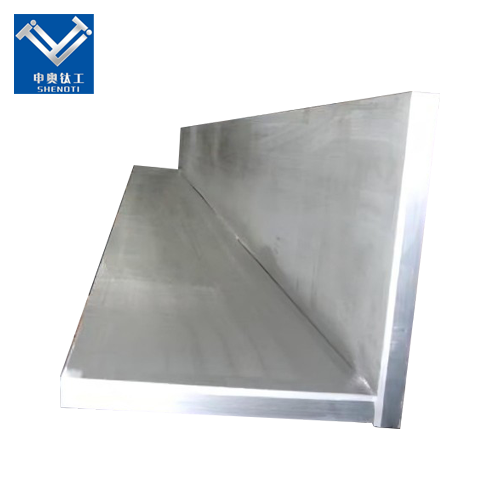
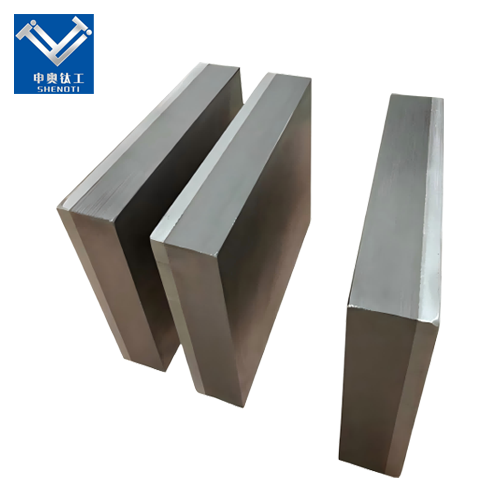
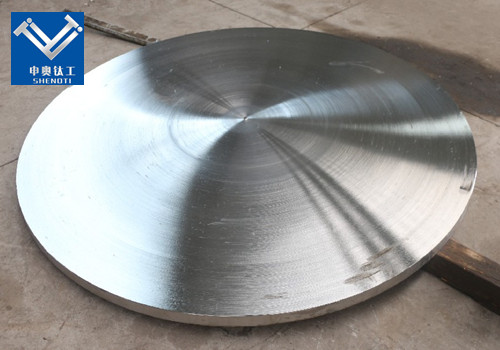
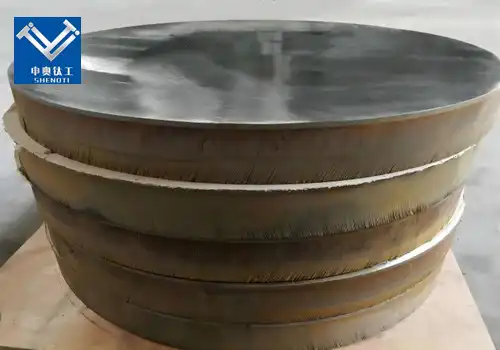
aluminum alloy clad plate


Cladding Material:Aluminum Alloy 1050, 2024, 6061
Base Material:Steel, Copper, Titanium, Nickel
Density:2.7 g/cm³
Tensile Strength:250-300 MPa
Elongation:≥10%
Hardness (HB):60-120
Corrosion Resistance:Excellent (depending on cladding material)
Temperature Resistance:Up to 400°C
Surface Treatment:Polished, Anodized, Galvanized
Aluminum Alloy Clad Plate: Advanced Composite Solution for Industrial Applications
When you need superior performance without the premium cost of solid exotic metals, aluminum alloy clad plate delivers the perfect balance. At Baoji City ShenAo Metal Materials Co., Ltd., we've spent 17 years perfecting explosive welding technology to create composite plates that combine aluminum alloys (1050, 2024, 6061) with steel, copper, titanium, or nickel base materials. Our plates achieve bond shear strength exceeding 80-100 MPa, with thickness options from 3mm to 50mm, tensile strength of 250-300 MPa, and temperature resistance up to 400°C. You get the corrosion protection and lightweight properties of aluminum fused with the structural strength of your chosen base metal—engineered precisely for your application.
 |
 |
 |
Technical Specifications at a Glance
|
Parameter
|
Specification
|
|
Thickness Range
|
3 mm to 50 mm
|
|
Cladding Materials
|
Aluminum Alloy 1050, 2024, 6061
|
|
Base Materials
|
Steel, Copper, Titanium, Nickel
|
|
Density
|
2.7 g/cm³
|
|
Tensile Strength
|
250-300 MPa
|
|
Elongation
|
≥10%
|
|
Hardness (HB)
|
60-120
|
|
Corrosion Resistance
|
Excellent (grade-dependent)
|
|
Temperature Resistance
|
Up to 400°C
|
|
Surface Treatment Options
|
Polished, Anodized, Galvanized
|
|
Bond Shear Strength
|
80-100 MPa (explosive bonding)
|
Why Choose Our Clad Plate Technology?
Traditional single-metal solutions often force you to compromise.
You need corrosion resistance but face weight penalties. You require thermal conductivity but can't afford pure copper costs. Our product solves these industrial dilemmas through metallurgical bonding at the atomic level.
Unlike mechanical fastening or adhesive joining, our explosive welding process creates a permanent, leak-proof interface. This means no delamination under thermal cycling. No failure under vibration stress. Just reliable performance in the harshest environments.
The aluminum cladding layer protects your base metal from corrosive chemicals, salt spray, and oxidizing atmospheres. Meanwhile, the core material provides structural integrity, electrical conductivity, or specialized properties your application demands.
 |
 |
 |
 |
 |
 |
 |
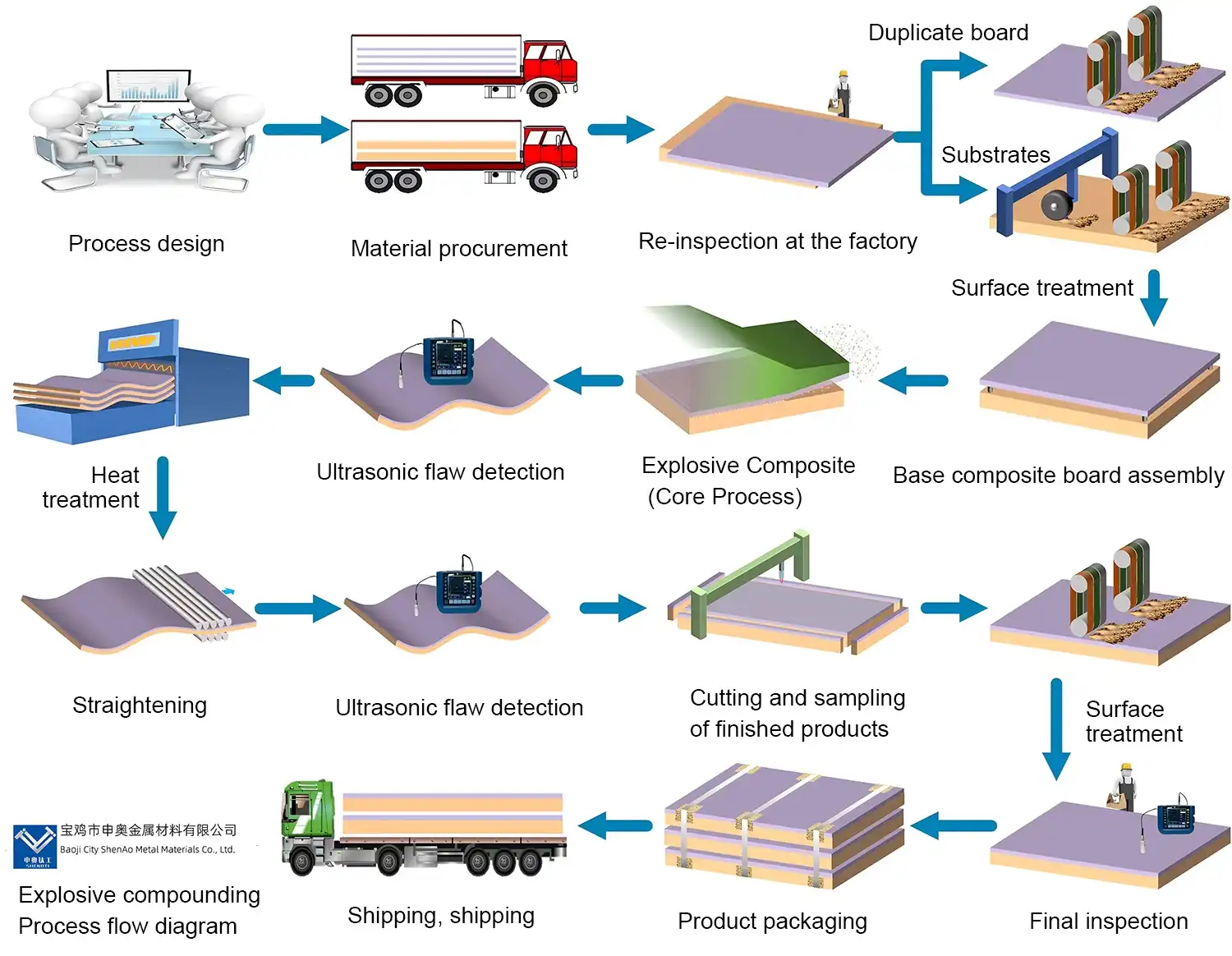
Product production process
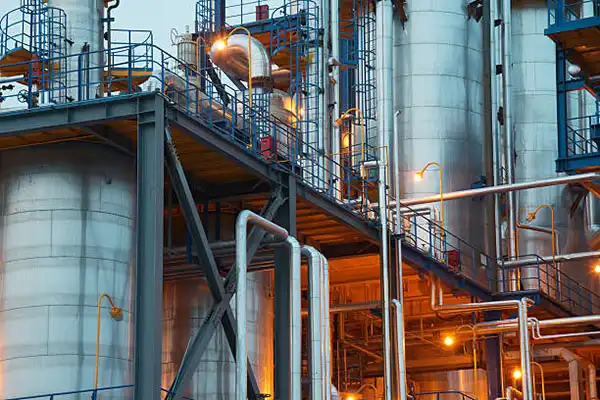
Key Industries We Serve
Automotive & HVAC Systems
Your radiators, condensers, and evaporators demand materials that withstand high internal pressures while enabling efficient heat transfer. Our 3xxx series core aluminum clad plates with Al-Si cladding melt during brazing to form hermetic seals. This eliminates leak points while maintaining structural integrity through thousands of thermal cycles.
Aerospace & Marine Applications
Salt-spray environments destroy conventional materials. Our 2xxx and 7xxx series cores with 1xxx aluminum cladding create a protective buffer for fuselage skins and structural bulkheads. You get high-altitude humidity resistance combined with the strength-to-weight ratios aerospace engineering requires.
Power Generation & Electronics Cooling
EV battery packs and server farms generate intense localized heat. Our clad plates distribute thermal loads uniformly across liquid-cooling cold plates and heat sinks. The aluminum layer conducts heat rapidly while the base metal resists deformation in compact, high-pressure installations.
Electrochemical Processing
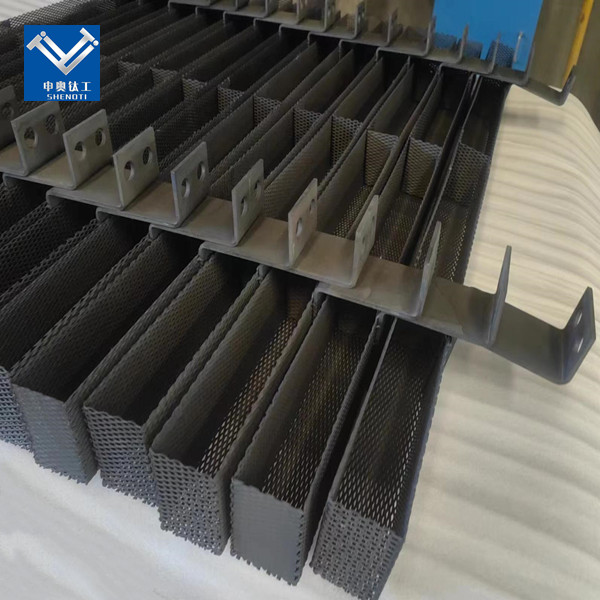
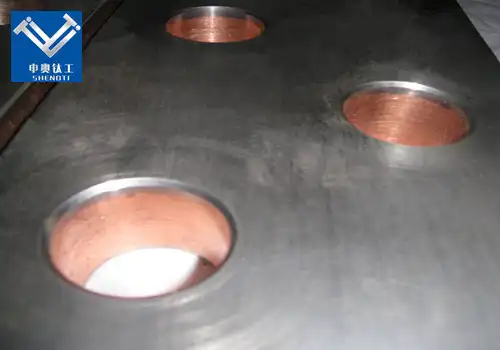
When you need conductive hanger bars that survive acidic electrolytes, our copper-core aluminum alloy clad plate delivers. The aluminum cladding protects against corrosive mists while the copper efficiently transports high currents with minimal voltage drop.
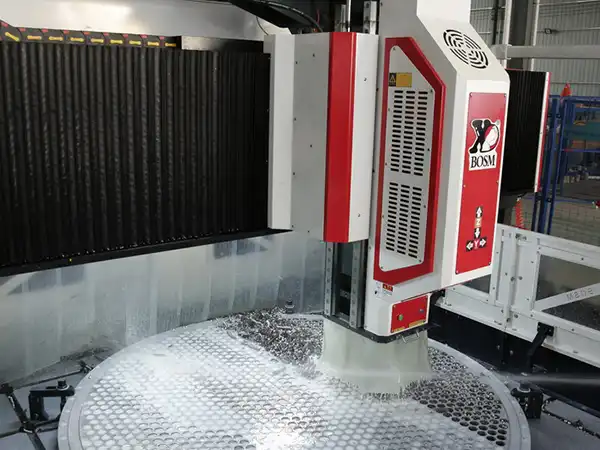
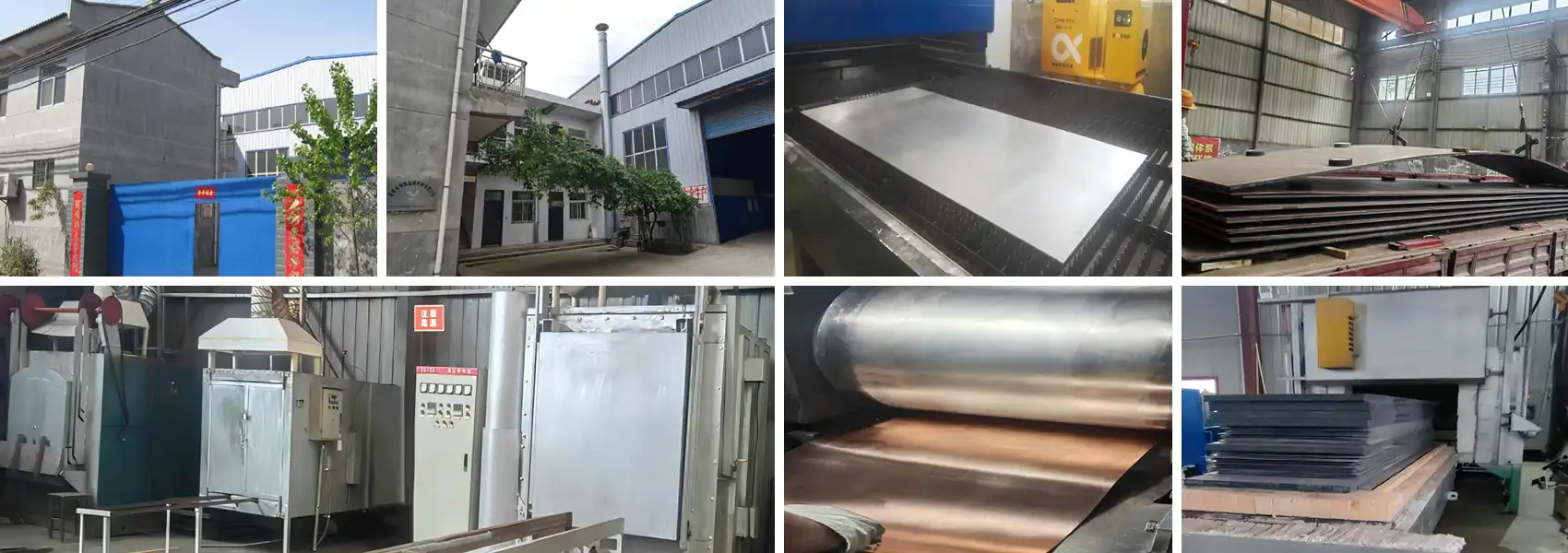
Our Manufacturing Advantage
We're found in China's Titanium Valley—Baoji High-tech Mechanical Advancement Zone. This gives you coordinate get to to crude fabric assets and specialized preparing capabilities created for Olympic-standard manufacturing.
Our quality administration framework guarantees each plate meets strict details. Whether you require little test clumps or full generation runs, we convey steady comes about. Your plates arrive with confirmed bond quality, uniform thickness proportions, and recorded fabric certifications.
We get it your details aren't nonexclusive. That's why we offer total customization of cladding proportions, base materials, and surface medications. Tell us your working conditions, and we'll build the arrangement.
 |
 |
 |
 |
 |
 |
 |
 |
 |
Application Industries
 |
 |
 |
 |
 |
 |
 |
 |
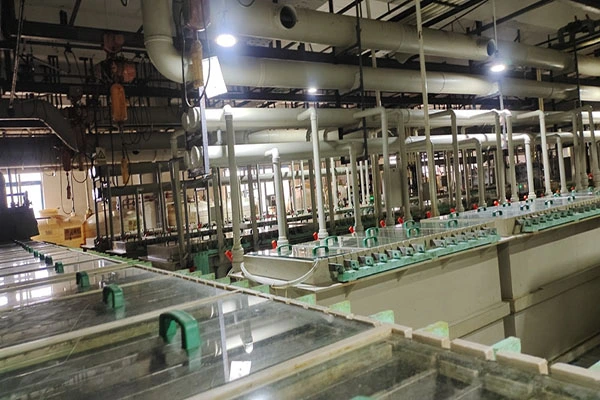
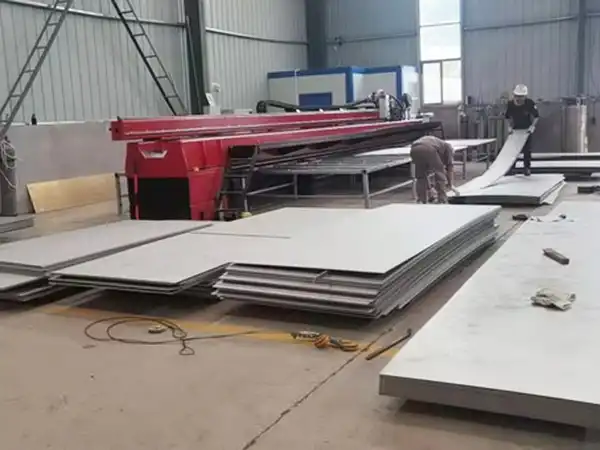
Our Factory
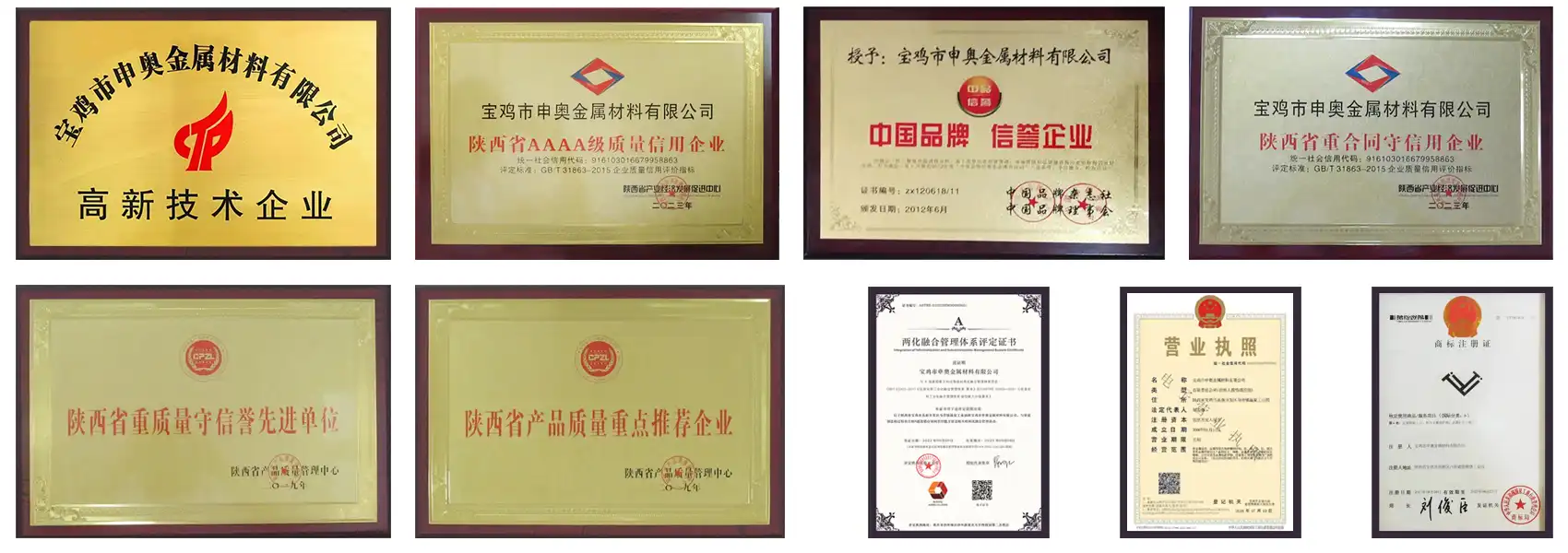
Our Patents and Honors

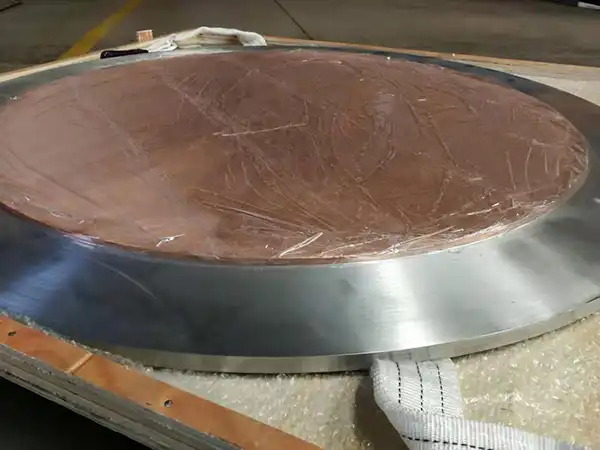
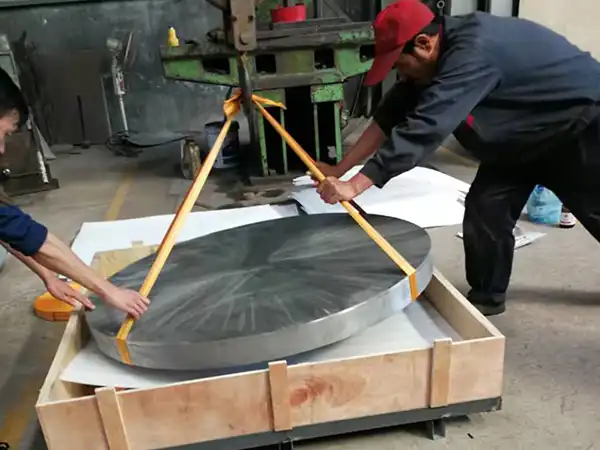
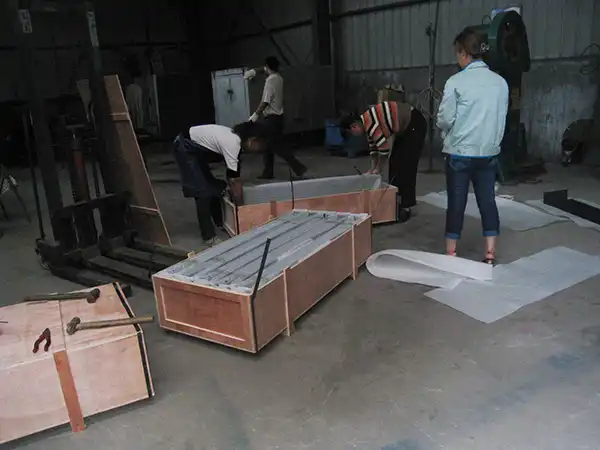
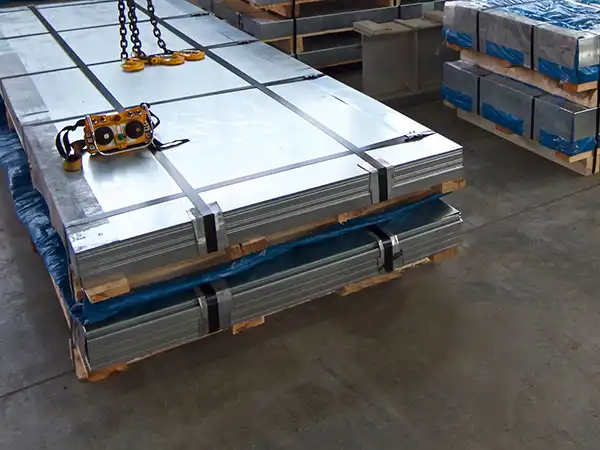
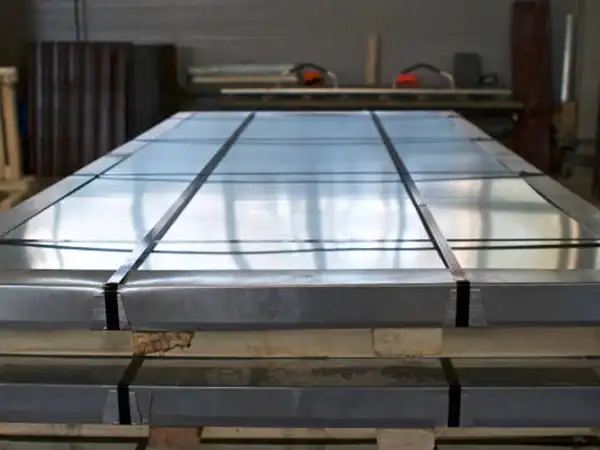
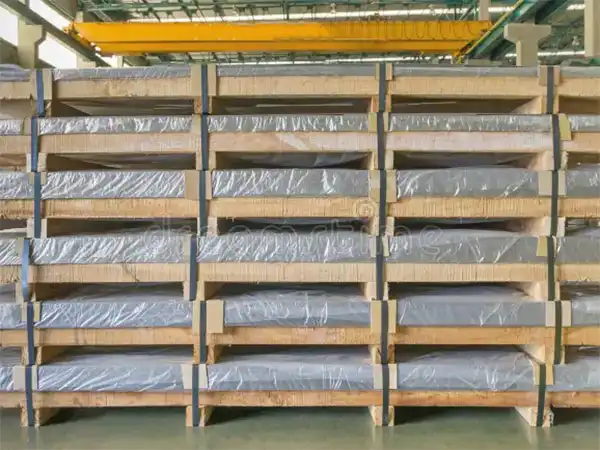
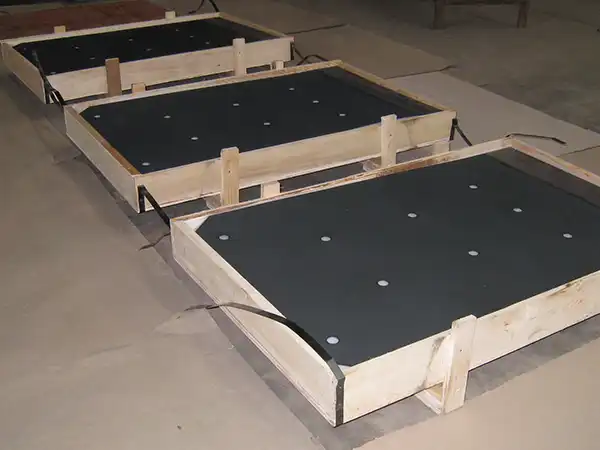
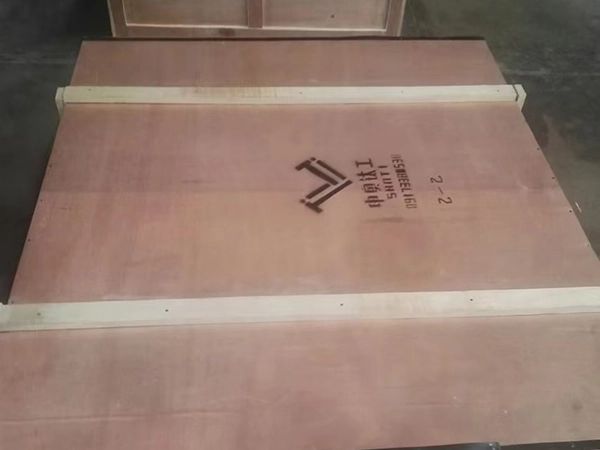
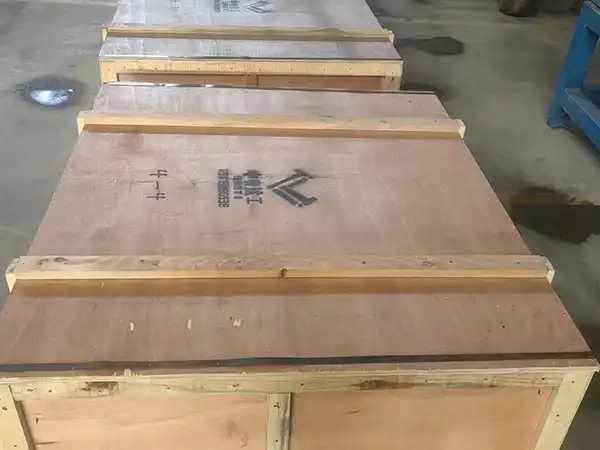
 Our Packaging
 |
 |
 |
 |
 |
 |
 |
 |
 |
 |
Frequently Asked Questions
What thickness proportion ought to I indicate between cladding and base metal?
Common proportions are 1:4 or 1:9 (cladding:base), but we customize based on your needs. Require greatest erosion security? We increment the cladding thickness. Prioritizing base metal properties? We alter accordingly.
Can I frame complex shapes from clad plates?
Yes. Our plates offer fabulous deep-drawing capabilities. The metallurgical bond avoids delamination amid stamping, bowing, and shaping operations that would isolated mechanically joined materials.
How does your holding compare to roll-bonded alternatives?
Explosive welding makes prevalent bond strength—typically 30-40% higher than roll holding. You get way better resistance to shear powers and warm stretch without hazard of separation.
What surface medicines work with your plates?
We offer cleaning, anodizing, and galvanizing. The treatment depends on your cladding fabric and application environment. Anodized wraps up improve erosion resistance encourage whereas giving stylish options.
Do you give fabric testing documentation?
Absolutely. Each shipment incorporates bond quality confirmation, composition investigation, and dimensional review reports. We take after ASTM B898 measures for responsive and hard-headed metal clad plate quality assurance.
Can clad plates be welded in fabrication?
Yes, with legitimate method. You must weld like materials together—aluminum cladding to aluminum, base metal to base metal. This avoids fragile intermetallic arrangement. We give welding rules with your arrange.
Contact Us
Ready to solve your aluminum alloy clad plate material challenges? Email our technical team at zh@baojiti.com.cn for specifications and custom solutions tailored to your application.
YOU MAY LIKE
_1752287642525.webp "Aluminum stainless steel clad plate")